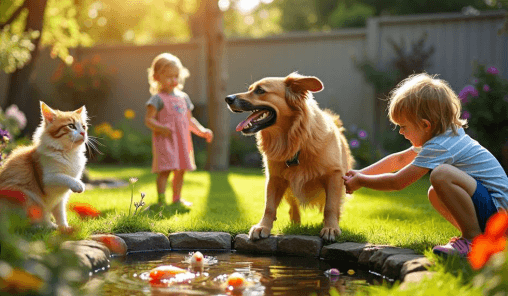
Helping children care for a family pet is one of the most practical ways to teach responsibility, empathy, and consistency. Daily tasks invite kids to practice time management and follow through, while the bond they build with an animal keeps motivation high. The key is to keep chores age appropriate, focus on routine, and weave in gentle coaching so that safety and welfare always come first.
Start With Age-Appropriate Tasks
Match each chore to a child’s developmental stage so success feels attainable. Young children can help measure kibble with a marked scoop, refill water bowls with your hand guiding the pitcher, and put toys back in a bin after play. Early elementary students can read a simple checklist, portion food independently, and brush for a few minutes while you hold the collar or harness for steadiness. Tweens can take on longer tasks like supervised walks, daily litter checks, and basic training reps such as sit, down, and wait. Teens are ready for higher level responsibilities, including tracking supply levels, scheduling reminders for preventive care, and practicing more advanced training with your oversight. When tasks fit the child, you get fewer battles and better results for your pet.
Build Routines That Stick
Consistency turns chores into habits. Tie pet care to existing anchors in the day, such as brushing before school drop off or a quick yard break after homework. Use a visible chart on the fridge or a shared family app to show what was done and what still needs attention. Rotate roles weekly so each child learns the full range of care and no one gets stuck with the same task forever. Celebrate small wins with specific praise like thanks for remembering to refresh the water before bed. If the schedule slips, reset without blame by reviewing the plan and lightening the load for a day so kids can bounce back. A steady rhythm helps pets feel secure and gives children a clear path to follow.
Make Safety and Welfare Nonnegotiable
Responsibility starts with kindness and safe handling. Teach children to approach calmly, to wait for a pet to come to them, and to pause if an animal moves away. Show how to check water for cleanliness, measure food accurately, and tidy feeding areas to deter pests and spills. On walks, review how to clip a leash securely and how to stop and stand still if another dog approaches too quickly. Create simple guardrails, such as an always ask an adult rule before giving new treats or trying new tools. When kids see that animal comfort guides every decision, they learn that caring is more than a checklist. It is a mindset that places the pet’s needs at the center.
Bring Grooming into the Learning Plan
Grooming is a rich teaching opportunity because it blends gentle handling, patience, and practical skills. Start with short brushing sessions that end on a positive note. Let kids gather supplies, count out treats, and say a cue like ready to brush so the pet knows what to expect. Nail care and ear checks remain adult led, but children can assist by holding a flashlight, reading steps aloud, or recording dates in a care log. When you want professional help, consider scheduling dog grooming in Concord, OH as a calm way to support at home routines. Local salons in the area list full and mini grooms, luxury baths, and walk in nail care, and many highlight one on one attention in a clean, low stress environment, which reinforces what children are learning about comfort and safety during handling.
See also: How to Balance Mom Life and Lifestyle: Tips for Maintaining Peace, Style, and Health
Turn Chores into Character Skills
Pet care chores are more than tasks. They are real world lessons in empathy, planning, and problem solving. Ask reflective questions that guide kids to think ahead, such as what does our dog need before guests arrive or how can we make brushing more comfortable today. Encourage children to notice body language and to adjust their approach if a pet seems unsure. Share responsibility for outcomes in a supportive way. If a walk was skipped, discuss how to make it up with a longer play session before dinner. Consider a weekly family pet huddle to review what went well, what was hard, and which duties each person wants to try next. Over time, children come to see themselves as capable caregivers whose choices have a direct, positive impact on an animal they love.
Conclusion
Teaching responsibility through pet care works best when you keep tasks matched to your child’s abilities, build routines that are easy to follow, and keep safety at the core of every decision. Start small, praise progress, and use grooming and training as steady opportunities to practice patience and kindness. With a clear plan and a little coaching, kids grow into confident helpers and your pet benefits from consistent, thoughtful care.