Fuller, more dramatic lashes have long been a cornerstone of beauty routines, capable of transforming an entire look with minimal effort. While professional lash extensions once seemed like the only path to that coveted, wide-eyed effect, DIY lash clusters have quietly revolutionized the way beauty enthusiasts approach eye makeup at home.
The appeal is straightforward: salon-quality results without the salon price tag. Lash clusters give you the freedom to customize your look, choose your own style, and apply them on your own schedule. The real challenge, however, lies in achieving results that look polished and intentional rather than obviously artificial — and that’s exactly where most beginners struggle.
This article breaks down everything you need to know to master DIY lash clusters confidently. From understanding the different styles suited for everyday wear, romantic occasions, or bold statement looks, to a clear step-by-step application guide and essential maintenance advice, you’ll find practical, actionable tips throughout. Whether you’re picking up a lash applicator for the first time or refining an existing technique, this guide is designed to help you achieve professional-looking results from the comfort of your own home.
What Are DIY Cluster Lashes? Benefits and Basics
Lash clusters are small, pre-made bundles of synthetic or faux mink fibers grouped together at a single base, designed to be applied directly onto your natural lashes or along the lash line. Unlike individual lash extensions — which require isolating each natural lash and professional-grade bonding — clusters offer a more approachable middle ground. They’re also distinct from full strip lashes, which span the entire eye in one piece and often require more precision to fit and blend convincingly.
DIY cluster lashes sit in a sweet spot: they’re flexible enough to customize placement and density, yet structured enough to deliver noticeable results without advanced technique. You can layer a few clusters for a subtle lift or stack them for a more dramatic effect, all within minutes. This adaptability makes them genuinely useful for a wide range of looks and skill levels.
The benefits for beauty enthusiasts are hard to ignore. Cost-wise, a single set of lash clusters can be reused multiple times, making them significantly more economical than repeated salon visits. Convenience is another major draw — you control the timing, the style, and the intensity. Whether you want a barely-there enhancement for daily wear or a bold, full look for a special occasion, clusters let you dial in exactly what you need. As you explore the styles and application steps ahead, this foundational understanding of what lash clusters are will make every decision clearer and more intentional.
Exploring Different Lash Cluster Styles for Every Occasion
Choosing the right lash cluster style is just as important as mastering the application itself. The wrong style for an occasion can make even a flawless application feel off, while the right one elevates your entire look effortlessly. Lash clusters broadly fall into three categories — natural, wispy, and volume — each serving a distinct purpose and aesthetic. Understanding what sets them apart helps you make smarter choices whether you’re getting ready for work, a date night, or a special event.
Natural Style Lashes: Subtle Enhancement for Daily Wear
Natural style clusters feature shorter, evenly spaced fibers that mimic the look of well-groomed lashes rather than obvious falsies. They’re ideal for everyday wear when you want added definition without drawing attention to the fact that you’re wearing clusters at all. When selecting these, look for clusters with a thin, flexible base and fibers that closely match your natural lash length. Placing them only along the outer two-thirds of the lash line creates a lifted, awake effect that reads as effortlessly polished.
Wispy Lashes: Creating a Romantic, Feathery Effect
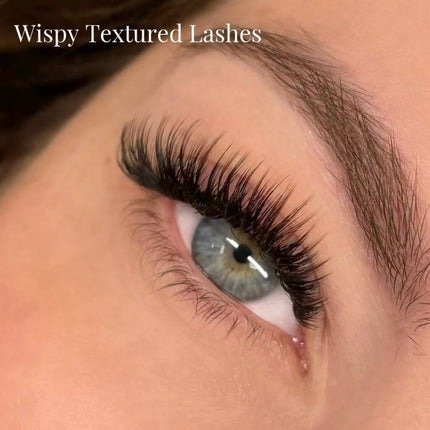
Wispy lash clusters alternate between longer, tapered spikes and shorter filler fibers, producing a soft, textured appearance that photographs beautifully. This style suits date nights, weddings, or any occasion where you want a romantic, feminine finish. Brands like SenseLashes offer wispy cluster options designed with varied fiber lengths that make spacing and blending more forgiving for home application. To maximize the feathery effect, space clusters slightly apart rather than packing them tightly together. The intentional gaps allow the varying lengths to fan out naturally, giving the illusion of individually placed extensions rather than a uniform false lash.
Volume Lash Clusters: Achieving Dramatic, Full Lashes
Volume clusters are densely packed with multiple fibers fanning outward from a single base, delivering the bold, full-lash impact associated with glamorous evening makeup. Despite their density, modern volume clusters are lightweight enough to wear comfortably for hours. The key to avoiding a heavy or overdone look is strategic placement — concentrate fuller clusters toward the center and outer corners of the eye, then blend with slightly less dense clusters near the inner corners to keep the look balanced and wearable.
Essential Tools and Preparation for DIY Lash Application
Having the right tools on hand before you start makes the difference between a smooth application and a frustrating one. At minimum, you’ll need your lash clusters, a lash-safe adhesive (preferably one formulated specifically for cluster lashes rather than strip lash glue), a pair of fine-tip tweezers or a dedicated lash applicator, a small mirror positioned at eye level, and a clean spoolie brush for blending. Some people also find a lash tile or palette useful for holding clusters during application.
Preparation is equally critical. Start by thoroughly cleansing your eye area to remove any oils, makeup residue, or moisturizer — adhesive bonds poorly to oily surfaces, which is one of the most common reasons clusters lift prematurely. Follow with a gentle eye primer or a light dusting of translucent powder along the lash line to create a clean, dry base. Before reaching for any cluster, take a moment to map your lash line by identifying where you want coverage — whether that’s full coverage from inner to outer corner or a focused outer-corner placement for a cat-eye effect.
Safety and hygiene deserve serious attention. Always check that your adhesive is ophthalmologist-tested and free from harsh chemicals like formaldehyde. Avoid applying clusters too close to the waterline, and never share applicators between uses without sanitizing them. If you experience redness or irritation, remove the clusters immediately and allow your eyes to rest before attempting reapplication.
Step-by-Step Guide to Applying DIY Lash Clusters Effectively
Even with the best clusters and tools, application technique determines whether your final look appears seamless or obviously artificial. The process breaks down into three distinct phases, each building on the last. Working methodically — rather than rushing through placement — is what separates a polished result from one that needs constant adjustment throughout the day.
Step 1: Adhesive Application and Cluster Placement
Dispense a small amount of adhesive onto a lash tile or the back of your hand, then dip the base of each cluster into the glue, coating it evenly without overloading. Wait 20 to 30 seconds for the adhesive to become tacky — this waiting step is non-negotiable, as wet glue slides rather than bonds. Using tweezers or a lash applicator, position each cluster just beneath your natural lashes, pressing upward against the lash line. Work from the outer corner inward, spacing clusters consistently to avoid visible gaps or bunching.
Step 2: Blending and Securing for a Natural Look
Once clusters are placed, use the flat side of your tweezers to gently press each cluster base against your natural lash line, holding for five seconds to encourage a firm bond. Follow immediately with a clean spoolie, combing through both natural and cluster fibers in a single upward stroke to merge them together. This blending step eliminates the visible division between real and false lashes. For extra security, apply a thin layer of lash sealant or bond-and-seal product — such as those offered by SenseLashes — along the base of the clusters once you’re satisfied with placement.
Step 3: Final Adjustments and Setting
If any cluster extends past your natural lash line at the outer corner, trim the tip with small scissors rather than repositioning the entire cluster. Avoid applying mascara directly to the clusters, as this accelerates fiber breakdown — instead, apply a single coat to your natural lashes before cluster placement if coverage is needed. Allow the adhesive to cure fully for at least two minutes before opening your eyes wide or touching the lash line. Finish by gently curling your natural lashes at the root with a lash curler to unify the angle between your real lashes and the clusters.
Pro Tips for Maintenance, Removal, and Troubleshooting
Keeping your lash clusters looking fresh between applications comes down to a few consistent habits. Avoid oil-based makeup removers, cleansers, or moisturizers near the lash line, as oil is the fastest way to break down adhesive bonds. When sleeping, try to avoid pressing your face directly into the pillow — side and stomach sleepers often find clusters shift or fall off overnight simply due to friction. A light misting of lash sealant each morning can extend wear by reinforcing the bond without adding visible buildup.
When it’s time to remove your clusters, never pull or tug at them. Instead, saturate a cotton pad with an oil-based eye makeup remover or micellar water and hold it gently against the lash line for 20 to 30 seconds. This softens the adhesive enough for clusters to slide off without resistance, protecting your natural lashes from unnecessary stress. Follow removal with a gentle lash serum to keep your natural fibers strong and conditioned.
Common application problems are almost always fixable. If a cluster lifts at the base, press it back down with a toothpick dipped in a tiny amount of fresh adhesive rather than reapplying the entire cluster. Uneven spacing is easiest to correct while the adhesive is still slightly pliable — use tweezers to nudge clusters into position within the first 60 seconds of placement. If discomfort or stinging occurs at any point, remove clusters immediately, rinse the eye area with cool water, and allow at least 24 hours before attempting reapplication with a different adhesive formula.
Your Path to Salon-Quality Lashes at Home
Mastering DIY lash clusters is genuinely within reach for anyone willing to invest a little time in understanding the basics. The key takeaways from this guide are straightforward: choose a style that matches the occasion — natural for everyday polish, wispy for romantic moments, volume for bold statements — prepare your lash line properly, and apply clusters methodically rather than rushing through placement. These three habits alone will dramatically improve your results from the very first attempt.
The broader appeal of DIY lash clusters goes beyond saving money at the salon. They give you creative control over your look, the flexibility to experiment with different styles on your own schedule, and the satisfaction of achieving something that genuinely looks professional. That confidence builds quickly once you’ve completed a few applications and discovered what works best for your eye shape and personal aesthetic.
Don’t be discouraged if your first attempt isn’t perfect — even experienced users occasionally need to reposition a cluster or adjust spacing. Each application teaches you something new about your technique. Try different styles, experiment with placement, and refine your process over time. With the right tools, a little patience, and the guidance laid out here, salon-quality lashes at home aren’t just possible — they’re entirely achievable.