Creating consistency in storage design is not just about matching shelves or cabinets across different spaces. It is about building a system that supports how people live, move, and interact with their belongings every day. When storage design flows from bedroom closets to garage cabinets, it creates a sense of order that extends beyond organization and into lifestyle efficiency.
Designing Around Daily Movement Patterns
One overlooked aspect of storage consistency is how people move through their home. Storage should follow natural routines. Bedroom closets are used during morning and evening routines, while garages often serve as transition points when leaving or returning home. Designing both areas with movement in mind improves accessibility.
A customizable closet system can be arranged based on frequency of use, placing everyday items within easy reach and seasonal items higher or deeper in storage. This same logic can be applied in the garage, where frequently used tools or items should be positioned at eye level for convenience.
Creating Zones Based on Activity
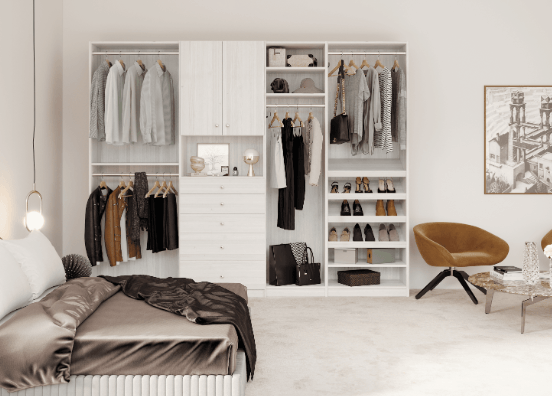
Consistency improves when storage is built around activities rather than just item types. In a bedroom, zones may include dressing, accessories, and footwear. In a garage, zones might include maintenance, sports equipment, and storage for seasonal items.
This zoning approach creates a mental map that makes it easier to maintain organization. When every item belongs to an activity zone, clutter is less likely to accumulate. Over time, this structured layout becomes intuitive and reduces the effort needed to stay organized.
Incorporating Hidden and Open Storage Balance
Another unique way to maintain consistency is by balancing open and concealed storage. Bedrooms often benefit from a clean and minimal look, where certain items are hidden behind doors or drawers. However, some open shelving can make frequently used items more accessible.
In garages, open storage can be useful for quick access, while closed cabinets keep the space visually neat. Integrating garage closet storage that combines both open racks and enclosed units helps maintain this balance, ensuring practicality without sacrificing order.
Lighting as a Functional Storage Element
Lighting plays a major role in how effective storage systems are. Closets often include built-in lighting to make it easier to see clothing and accessories. Bringing similar lighting strategies into garage cabinets enhances usability, especially in low-light conditions.
Well-placed lighting transforms storage from a passive feature into an active part of the home. It improves visibility, reduces time spent searching for items, and adds a sense of refinement to both personal and utility spaces.
Designing for Multi-Purpose Use
Modern homes require flexibility, and storage systems should reflect that. Closets are no longer just for clothing. They may include sections for work essentials, personal items, or even compact workspace elements. Similarly, garages are evolving into multi-purpose areas that can include hobbies, workshops, or fitness setups.
Designing storage that supports multiple uses ensures that the system remains relevant as needs change. This forward-thinking approach strengthens consistency because the design is built to adapt rather than be replaced.
Integrating Vertical and Horizontal Planning
Many homeowners focus only on vertical storage, but consistency improves when both vertical and horizontal spaces are considered together. In closets, horizontal divisions such as drawers and compartments create structure. In garages, work surfaces and cabinet layouts benefit from the same approach.
Combining vertical height with horizontal organization ensures that storage is not only space-efficient but also easy to navigate. This dual perspective makes every inch of space functional and accessible.
Encouraging Long-Term Organization Habits
Consistency in storage design also influences behavior. When systems are easy to use and clearly structured, people are more likely to maintain them. A well-planned closet encourages regular organization, while a structured garage setup reduces the tendency to pile items randomly.
Over time, these small habits build a more organized lifestyle. The design itself supports discipline without requiring constant effort.
Conclusion
Building consistency in storage design from bedroom closets to garage cabinets involves more than matching layouts. It requires thoughtful planning around movement, activities, lighting, and adaptability. By focusing on how storage supports real-life use, homeowners can create systems that are not only organized but also intuitive and sustainable.