Anyone who has repaired a smartphone or laptop knows that sinking feeling — the moment a screw strips or a fragile housing cracks because of just a little too much torque. Overtightening is one of the most common and costly mistakes in electronic repair, and it happens to experienced technicians just as often as beginners. The difference between a successful repair and a damaged device can come down to fractions of a Newton-meter.
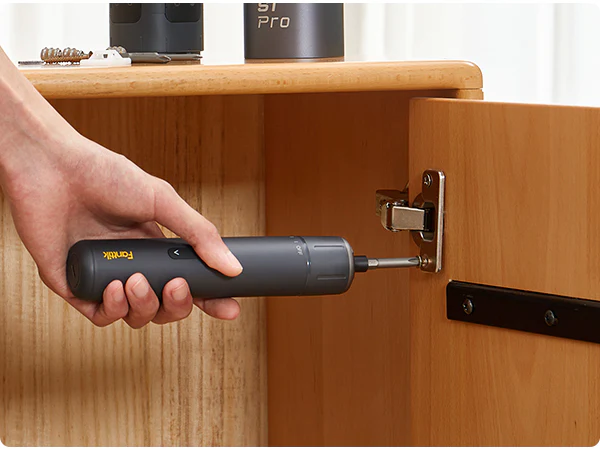
This is exactly where smart Cordless Screwdrivers are changing the game. Unlike conventional tools that rely entirely on the operator’s feel and judgment, smart cordless models integrate precision engineering to actively prevent overtightening before damage occurs. For professional technicians working daily on high-value devices, these tools aren’t a luxury — they’re a necessity.
In the sections ahead, we’ll explore why overtightening is such a persistent problem in electronic repair, what separates a truly smart cordless screwdriver from a standard one, and how key features like smart torque control and variable speed settings provide the safety mechanisms professionals need. We’ll also walk through a practical step-by-step approach to avoiding overtightening and offer clear guidance on selecting the right tool for your repair workflow.
The Critical Issue of Overtightening in Electronic Repair
Modern electronics are engineered to increasingly tighter tolerances. The screws holding together a smartphone motherboard or a laptop’s display assembly are often made from soft metals like aluminum or brass, threaded into plastic or delicate alloy housings. Apply even marginally too much force, and the consequences range from stripped threads to cracked circuit boards — damage that can turn a simple screen replacement into a complete device write-off.

Professional technicians encounter this challenge constantly. During high-volume repair days, fatigue affects tactile sensitivity, making it harder to judge when a screw has seated properly. Switching between devices with different torque requirements — an Apple iPhone one minute, a Surface tablet the next — demands constant mental recalibration. Even seasoned repair specialists acknowledge that relying purely on hand-feel is an unreliable safety net when working on components worth hundreds of dollars.
The stakes are particularly high in certain repair scenarios. Reassembling a logic board after a microsoldering job, reinstalling a battery connector, or securing a digitizer cable bracket all involve screws torqued to specifications well below 1 Newton-meter. Standard electronic repair tools offer no feedback mechanism to signal when that threshold is approaching. A conventional screwdriver simply keeps turning until the operator stops — or until something breaks.
This precision gap is why specialized tools have become essential rather than optional for serious repair work. The right electronic repair tools don’t just make the job faster; they actively reduce the probability of technician-induced damage. For repair businesses where reputation depends on consistent, damage-free results, the ability to control and limit torque output is a fundamental operational requirement, not an optional upgrade.
What Makes a Cordless Screwdriver “Smart”?
The term “smart” gets applied loosely to many tools, but in the context of cordless screwdrivers, it refers to something specific and measurable: the integration of electronic control systems that actively monitor and regulate the tool’s behavior during operation. A standard cordless screwdriver is essentially a motor with a battery — it spins until you release the trigger. A smart cordless screwdriver, by contrast, continuously processes feedback from its motor and adjusts output in real time.
Two technologies sit at the heart of this distinction. Smart torque control uses sensor-driven mechanisms to detect resistance as a screw seats, automatically limiting rotational force before it reaches a damaging threshold. This isn’t simply a mechanical clutch that slips at a preset level — it’s an electronically governed system capable of far greater precision and consistency across repeated operations. Variable speed control complements this by giving technicians direct command over how fast the bit rotates, allowing them to slow down for delicate final tightening passes or accelerate through less critical fastening tasks.
For professional technicians, these aren’t abstract engineering features — they translate into tangible workflow advantages. When working across a busy repair bench with devices ranging from compact earbuds to gaming consoles, the ability to dial in specific torque and speed parameters for each job type eliminates the guesswork that leads to stripped screws and cracked housings. Brands like Fanttik, known for precision-focused portable power tools, have helped raise awareness of how electronically governed torque systems can be engineered into compact, ergonomic form factors suited to detailed repair work. Smart cordless screwdrivers essentially encode best-practice torque discipline into the tool itself, making precision the default rather than the exception. This is what separates a genuinely professional-grade instrument from a consumer-grade power tool wearing a “smart” label.
Key Safety Features for Technicians to Prevent Overtightening
Smart Torque Technology: The Core of Precision
Smart torque technology does something no human hand can reliably replicate: it applies consistent, measurable force on every single fastener, regardless of operator fatigue or distraction. Using motor current sensors and real-time feedback loops, the tool detects the precise moment a screw reaches full seating resistance and cuts rotational power before damage occurs. This automatic cutoff is what makes smart cordless screwdrivers genuinely protective rather than merely convenient.
The practical impact becomes clear when working on Apple repair tool scenarios — reassembling a MacBook’s logic board screws or reinstalling the Pentalobe fasteners on an iPhone chassis. These components demand torque values often below 0.5 Newton-meters, tolerances that are nearly impossible to judge by feel alone. Smart torque mechanisms eliminate that uncertainty entirely, reducing technician-induced damage and dramatically improving first-attempt success rates on high-value Apple devices and similarly precision-dependent hardware.
Variable Speed Control for Delicate Operations
Variable speed control addresses a different but equally important risk factor: the speed at which a bit engages a fastener. Driving a screw too quickly into a soft plastic housing or a delicate threaded insert generates heat, increases cam-out risk, and makes it far harder to sense when the fastener is approaching full torque. Slowing the rotation gives the technician — and the tool’s sensors — more time to respond accurately.
In practice, a two-stage approach works best. Use a moderate speed to drive the screw through its initial threading, then drop to the lowest speed setting for the final seating pass. This technique is particularly critical when securing ribbon cable brackets, SIM tray retainers, or any fastener threading into plastic. Variable speed control transforms the final tightening phase from a high-risk moment into a controlled, repeatable process.
Practical Solutions: Step-by-Step Guide to Avoid Overtightening
Translating smart tool capabilities into consistent repair outcomes requires more than simply owning the right equipment — it demands a structured approach that becomes second nature across every job. Following a repeatable process is what separates technicians who occasionally strip screws from those who almost never do.
Start by identifying the torque specification for the device you’re working on. Manufacturer service manuals for most major brands publish these values, and community resources like iFixit maintain detailed teardown guides with fastener specifications. Before touching the device, set your smart cordless screwdriver to a torque value at or slightly below the published spec. When in doubt, err conservative — you can always apply a small additional turn manually if needed, but you cannot undo a stripped thread.
Next, select your initial speed setting. For the drive-in phase, a moderate speed is appropriate to seat the screw through its threading efficiently. Once the fastener is approximately 80% seated, drop to your lowest speed setting for the final tightening pass. This two-stage technique gives the smart torque system its best opportunity to detect seating resistance accurately and cut power at precisely the right moment.
Before beginning any high-volume repair session, run a brief calibration check. Drive two or three test screws into a practice housing or a scrap piece of similar material and verify the tool is stopping at the expected point. This takes under a minute and catches any drift in torque calibration before it affects a customer’s device.
Finally, build torque setting profiles into your workflow for the device categories you repair most frequently. Keeping a quick-reference card at your bench — noting torque and speed settings for common jobs like iPhone logic board screws, laptop display brackets, or USB-C port housings — eliminates the recalibration guesswork that causes mistakes during busy, high-pressure repair days.
Choosing the Right Smart Cordless Screwdriver for Professional Use
Selecting the right smart cordless screwdriver comes down to a few non-negotiable criteria. Torque range and granularity matter most — look for tools that offer precise adjustment in increments small enough to differentiate between a 0.3 and 0.5 Newton-meter setting, which is essential when working across mixed device categories. Compatibility with professional electronic repair tools and standard bit systems ensures the screwdriver integrates cleanly into an existing repair setup without requiring adapters that introduce wobble or reduce precision. For technicians specializing in Apple repair tool workflows, confirm the tool supports the fine torque thresholds those devices demand. Reliability of the smart torque cutoff mechanism is equally critical — read professional reviews that specifically test consistency across repeated operations, not just peak performance. Battery life and ergonomics round out the decision, since a tool that causes hand fatigue or dies mid-session undermines the precision advantages it was purchased to provide.
Smart Torque Control as the Standard for Professional Repair
Overtightening remains one of the most preventable — yet persistently common — causes of technician-induced damage in electronic repair. As devices grow more compact and their fasteners more delicate, the margin for error continues to shrink. Relying on hand-feel alone is no longer a viable strategy for professionals who repair high-value devices at volume and need consistently damage-free results.
Smart cordless screwdrivers directly address this challenge by encoding precision into the tool itself. Smart torque technology eliminates the guesswork of manual force judgment, automatically cutting power at the exact moment a fastener seats. Variable speed control gives technicians the ability to slow down during critical final tightening passes, reducing cam-out risk and giving the tool’s sensors the best possible conditions to operate accurately. Together, these features transform overtightening from an ever-present hazard into an effectively managed risk.
The practical framework outlined here — setting torque before touching the device, using a two-stage speed approach, running pre-session calibration checks, and maintaining job-specific setting profiles — turns smart tool capabilities into reliable, repeatable outcomes across every repair. For technicians working on Apple devices, gaming hardware, or any precision electronics, this structured approach is what separates professionals who occasionally damage components from those who almost never do.
Investing in the right smart cordless screwdriver isn’t simply a tool upgrade — it’s a commitment to the standard of precision that professional repair demands. In a field where reputation is built one successful repair at a time, the tools you choose are a direct reflection of the quality you deliver.