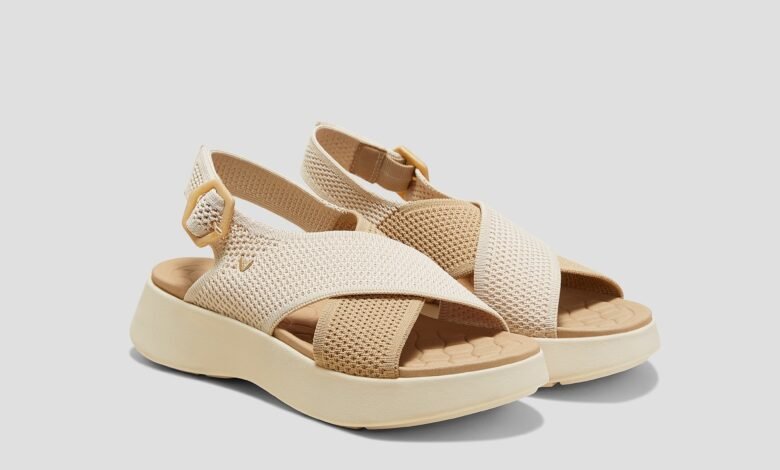
Summer calls for footwear that keeps up with your active lifestyle while letting your feet breathe through the warmest months. Whether you’re hitting coastal trails, exploring farmers’ markets, or simply running weekend errands, sport sandals remain a go-to choice for women who refuse to sacrifice comfort for style. But there’s a growing conversation happening in women’s fashion that goes beyond aesthetics and fit. More women than ever are seeking out products that align with their environmental values, and footwear is no exception. The challenge, however, lies in finding sport sandals that check every box — ones that feel great on your feet, look good with your summer wardrobe, and don’t cost the earth in a literal sense. This guide is designed to help you navigate that search with confidence. We’ll walk through what makes a sandal truly eco-friendly, which materials deliver both sustainability and performance, how to ensure all-day comfort, and ways to express your personal style without compromising your principles. By the end, you’ll have a clear, step-by-step approach to selecting the perfect pair of eco-friendly women’s sport sandals this summer.
Understanding Sustainable Sandals and Eco-Friendly Materials
A sandal earns the label “sustainable” when its design, materials, and manufacturing process actively minimize environmental harm. This means the brand considers everything from raw material sourcing to factory emissions to end-of-life recyclability. Truly eco-friendly sport sandals replace virgin petroleum-based components with recycled or plant-derived alternatives, and they’re produced under fair labor conditions with reduced water and energy consumption.
Several certifications can help you verify a brand’s claims. Look for B Corp certification, which evaluates a company’s entire social and environmental performance, or specific material certifications like Global Recycled Standard (GRS) and OEKO-TEX, which ensure textiles are free from harmful chemicals. Bluesign certification is another strong indicator, confirming that the manufacturing process meets strict environmental and safety criteria.
Choosing sandals made from recycled materials directly diverts waste from landfills and oceans. Every pair crafted from reclaimed plastics or repurposed rubber reduces the demand for new resource extraction, lowers carbon emissions during production, and keeps non-biodegradable waste out of ecosystems. It’s a tangible way your purchasing power contributes to a circular economy.
Key Recycled Materials to Look For
Recycled PET (rPET), sourced from post-consumer plastic bottles, is one of the most common sustainable materials in sport sandal straps and webbing. It’s lightweight, quick-drying, and surprisingly durable — holding up well against sun exposure and repeated wear. Recycled EVA foam, used in midsoles and footbeds, offers the same responsive cushioning as its conventional counterpart while giving factory offcuts and used foam a second life. Natural rubber outsoles, especially those tapped from sustainably managed plantations or reclaimed from discarded tires, provide excellent traction on wet and dry surfaces alike. You’ll also find brands incorporating organic cotton, hemp, and cork into their designs. Hemp is naturally antimicrobial and grows with minimal water, making it ideal for footbeds and linings. Cork, harvested without cutting down trees, molds to your foot over time and offers natural shock absorption. When evaluating any sandal, check whether the brand specifies the percentage of recycled content — higher percentages generally indicate a stronger commitment to sustainability.
Prioritizing Comfort in Your Women’s Sport Sandals
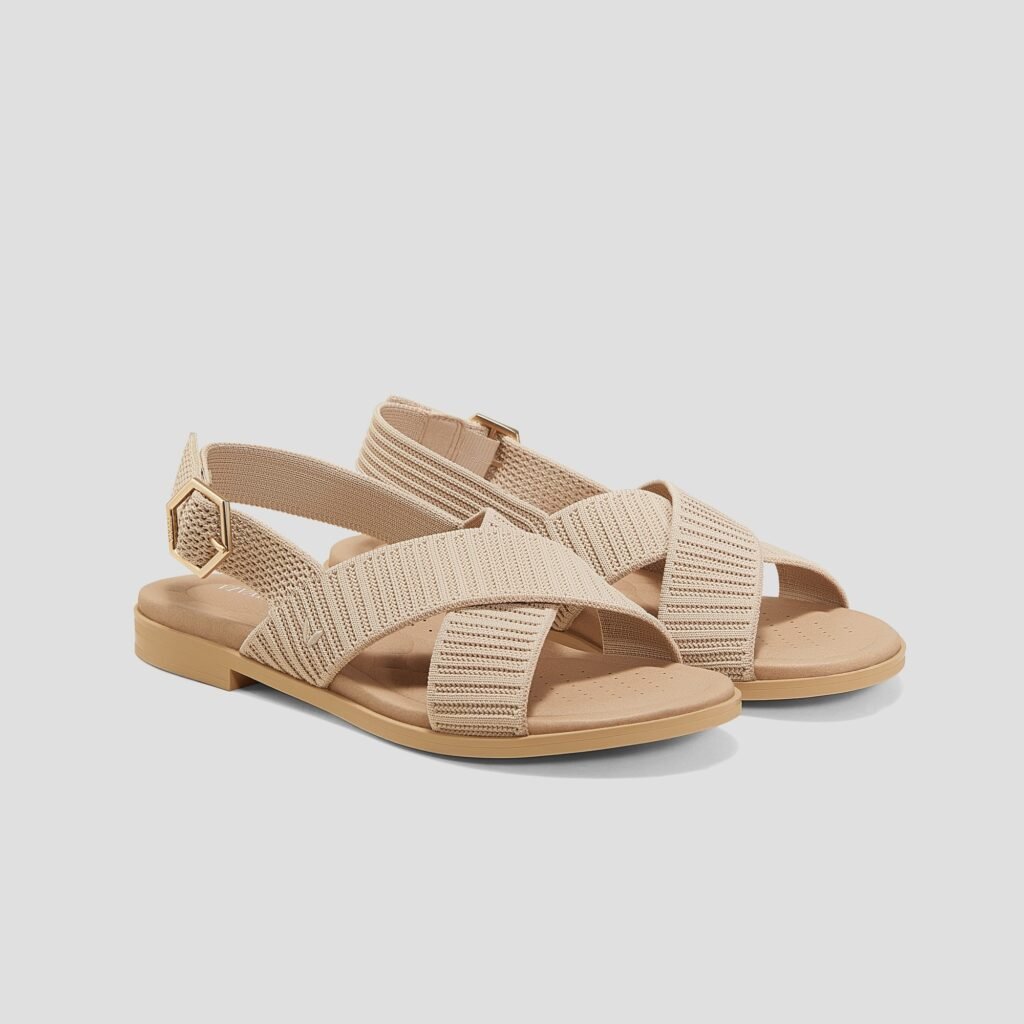
No matter how sustainable a sandal is, it won’t serve you well if it leaves your feet aching after a morning at the beach or an afternoon hike. Comfort should be a non-negotiable priority, especially for footwear you plan to wear through long, active summer days. The good news is that eco-friendly construction and superior comfort aren’t mutually exclusive — in fact, many sustainable materials naturally lend themselves to a better wearing experience.
Start by examining the footbed. A contoured footbed with built-in arch support distributes your body weight more evenly, reducing pressure on your heels and the balls of your feet. Cushioning matters too — look for midsoles made from recycled EVA or natural latex foam, both of which absorb impact without feeling flat after extended use. Adjustable straps are another essential feature, since they let you fine-tune the fit across your instep, heel, and toes to prevent slipping or chafing. Materials like hemp and cork actually improve with wear, conforming to the unique shape of your foot over time and creating a custom-like fit that synthetic alternatives rarely achieve.
When shopping online, pay close attention to customer reviews that specifically mention all-day wear, break-in periods, and sizing accuracy. If you’re buying in-store, walk around on hard surfaces for several minutes rather than just carpet, and test the sandal on an incline if possible to gauge heel security. Wearing the socks or orthotics you’d normally pair with sport sandals during a fitting also gives you a more realistic sense of how the shoe will perform in real conditions.
Balancing Style with Sustainability in Summer Footwear
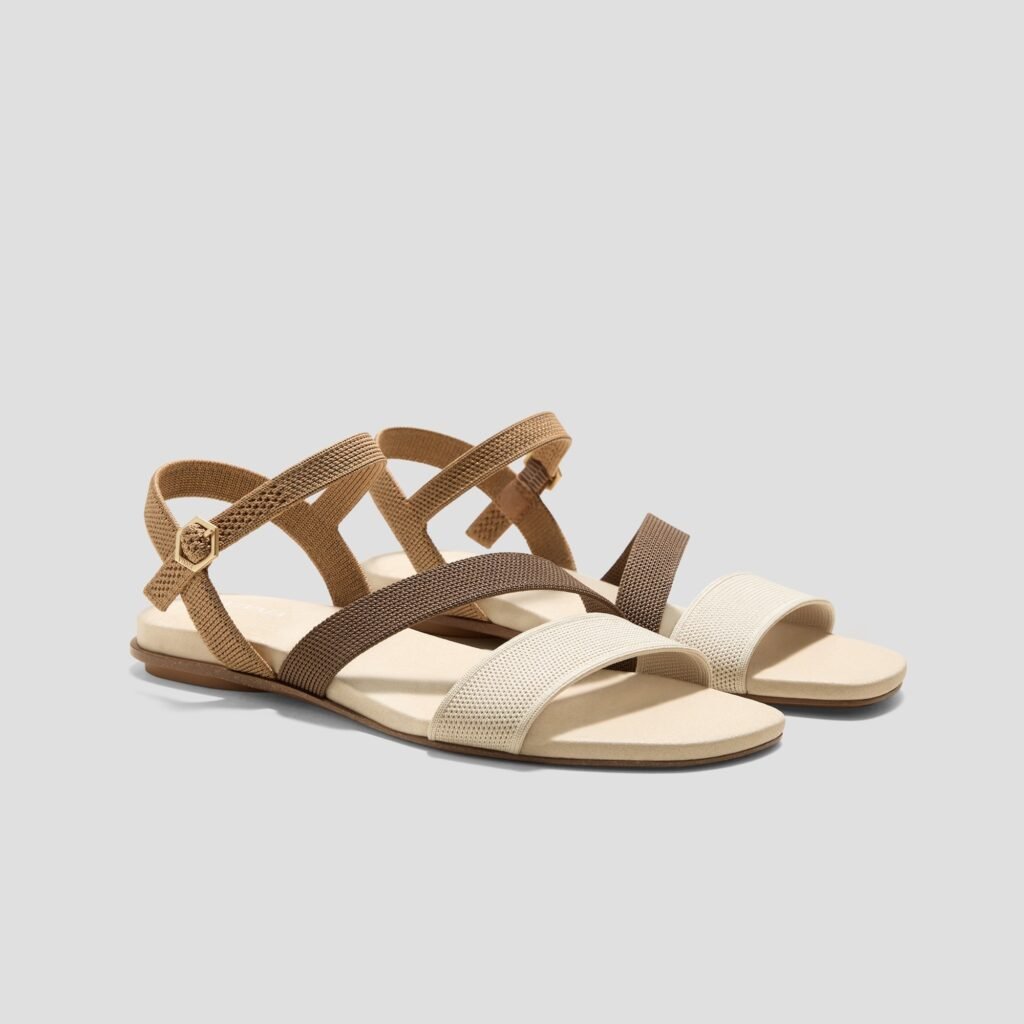
There’s a lingering misconception that eco-friendly footwear means settling for bland, utilitarian designs. That couldn’t be further from today’s reality. Sustainable sport sandals now come in a wide spectrum of colors, silhouettes, and finishes that rival — and often surpass — their conventional counterparts. From sleek minimalist profiles in earthy tones to bold, color-blocked designs with textured straps, the options have expanded dramatically as consumer demand for stylish green products has surged.
When building your summer wardrobe around eco-friendly sport sandals, think about versatility. A neutral-toned pair with clean lines transitions effortlessly from a morning trail walk to a casual lunch outing when paired with a sundress or linen pants. If your style leans more adventurous, look for sandals featuring woven hemp straps, cork accents, or contrasting recycled webbing that adds visual interest without relying on synthetic dyes or finishes. Many brands now use plant-based or low-impact dyes to achieve vibrant hues, so you don’t have to choose between color and conscience.
Brands like Teva, Chaco, VIVAIA, and ECCO have invested heavily in merging sustainable production with trend-aware design, offering collections that feel current each season. Smaller labels such as Earth Runners and Wolven focus on niche aesthetics — from barefoot-inspired designs to bold printed straps made entirely from recycled ocean plastics. The key is identifying which style resonates with your daily life. If you gravitate toward athleisure looks, a sporty platform sandal in recycled materials pairs naturally with bike shorts and oversized tees. For a more relaxed bohemian vibe, a cork-soled sandal with organic cotton straps complements flowing skirts and cropped denim equally well. Sustainable style isn’t about limitation — it’s about making intentional choices that reflect both your taste and your values.
Step-by-Step Guide to Choosing Eco-Friendly Women’s Sport Sandals
Knowing what makes a sandal sustainable, comfortable, and stylish is only half the equation. The other half is putting that knowledge into a practical decision-making process that leads you to the right pair. The following steps break down the selection journey into manageable actions, so you can shop with clarity and confidence rather than feeling overwhelmed by options or greenwashed marketing claims.
Step 1: Assess Your Needs and Preferences
Before browsing any product pages, take a few minutes to think honestly about how you’ll actually wear your sport sandals this summer. Are you planning rugged trail hikes that demand aggressive tread and ankle security, or do you need a versatile everyday sandal for walking the dog, running errands, and meeting friends for outdoor dining? Your intended use directly shapes the features you should prioritize. A sandal built for technical terrain will have a stiffer sole and more robust strap system, while a casual-use sandal can afford to be lighter and more flexible. Beyond activity level, consider your personal comfort needs — do you require extra arch support, or do you prefer a flatter, more minimal footbed? Think about your style preferences too. Jot down whether you lean toward neutral earth tones, bright statement colors, or minimalist silhouettes. Having this personal checklist before you start shopping prevents impulse purchases and ensures the sandal you choose genuinely fits your life.
Step 2: Research Brands and Materials
With your needs defined, start identifying brands that align with your sustainability expectations. Visit company websites and look for dedicated sustainability pages that detail specific material sourcing, factory partnerships, and environmental goals. Brands that are genuinely committed to eco-friendly practices will be transparent about their supply chain rather than relying on vague language like “green” or “earth-friendly” without supporting data. Check whether they hold recognized certifications such as B Corp, Bluesign, or Global Recycled Standard, as these require third-party verification. Read about the specific materials each brand uses — recycled PET webbing, natural rubber outsoles, recycled EVA midsoles, cork footbeds — and compare how much recycled or renewable content actually goes into each sandal. Social media and independent review sites can also reveal whether a brand’s sustainability claims hold up under scrutiny. Spending this research time upfront saves you from buyer’s remorse and ensures your money supports companies making a genuine difference.
Step 3: Evaluate Key Features for Comfort and Durability
Once you’ve shortlisted a few promising brands and models, dig into the construction details that determine how a sandal performs over weeks and months of wear. Examine the footbed first — a contoured design with anatomical arch support will outperform a flat insole during long days on your feet. Check whether the midsole material offers adequate cushioning without excessive bulk, and whether the outsole provides reliable grip on both wet and dry surfaces. Strap construction matters enormously for durability; look for reinforced stitching at stress points and adjustable closures that accommodate swelling feet on hot days. Read customer reviews with a critical eye, focusing on comments about break-in time, strap comfort after extended wear, sizing consistency, and how the sandal holds up after several months. Pay attention to any recurring complaints about sole separation, strap fraying, or footbed compression, as these signal durability issues that no amount of sustainability can compensate for. A truly well-made eco-friendly sandal should last multiple summers, which is itself an environmental benefit.
Step 4: Make an Informed Purchase Decision
You’ve assessed your needs, researched brands, and evaluated features — now it’s time to narrow your options and commit. Lay your top two or three choices side by side and compare them across three dimensions: eco-friendliness, comfort features, and style compatibility with your existing wardrobe. Consider the overall value rather than just the sticker price. A slightly more expensive sandal made from durable recycled materials that lasts three summers ultimately costs less per wear than a cheaper option that falls apart in one season. Check the brand’s return policy before purchasing, especially when buying online, so you have the freedom to test the sandal on your own surfaces and during your actual activities. Many eco-conscious brands offer free returns or exchanges, understanding that fit confidence drives long-term customer loyalty. Look for the sandal on the brand’s own website first, as purchasing directly often supports the company’s sustainability initiatives more effectively than buying through third-party retailers. If the brand offers a repair or recycling program for worn-out sandals, that’s an added bonus that extends the product’s lifecycle and keeps materials circulating within a closed loop.
The Benefits of Investing in Eco-Friendly Shoes
When you choose eco-friendly sport sandals, the impact extends far beyond your own closet. Every pair made from recycled or plant-based materials reduces the volume of plastic waste entering landfills and oceans, cuts greenhouse gas emissions compared to conventional manufacturing, and conserves finite natural resources like petroleum and fresh water. Over a single product’s lifecycle, these reductions may seem modest — but multiplied across millions of conscious consumers, they drive meaningful change in how the footwear industry operates.
There’s a personal health dimension worth considering as well. Sandals produced under certifications like OEKO-TEX and Bluesign are free from toxic adhesives, heavy metal dyes, and harmful chemical treatments that can irritate skin or off-gas volatile compounds. For women who wear sport sandals on bare feet throughout summer, direct skin contact with non-toxic materials matters more than many shoppers realize. Supporting brands committed to ethical production also means your purchase funds fair wages, safe working conditions, and community investment in manufacturing regions — aligning your spending with broader social values.
Perhaps the most compelling benefit is durability. Eco-friendly footwear brands tend to engineer their products for longevity rather than planned obsolescence, because keeping a sandal in use longer is itself a sustainability strategy. A well-constructed pair that lasts three or four summers replaces multiple disposable alternatives, saving you money over time while generating far less waste. This long-term mindset stands in direct contrast to fast fashion’s cycle of buy, wear briefly, and discard. For eco-conscious women, investing in quality sustainable sandals isn’t just a purchase — it’s a statement about the kind of industry and future they want to support.
Shop Smarter This Summer with Sustainable Sport Sandals
Finding the right pair of eco-friendly women’s sport sandals doesn’t have to feel like a compromise. As we’ve explored, understanding what makes materials genuinely sustainable — from recycled PET straps to natural rubber outsoles — gives you the foundation to see past greenwashed marketing and identify products that truly minimize environmental harm. Comfort remains essential, and features like contoured footbeds, responsive cushioning, and adjustable straps ensure your sandals can handle everything from trail walks to weekend errands without leaving your feet sore. Style, far from being an afterthought, has become a strength of sustainable footwear, with designs ranging from minimalist earth tones to vibrant statement pieces that fit seamlessly into any summer wardrobe. By following a deliberate selection process — assessing your needs, researching brands, evaluating construction quality, and making a thoughtful purchase — you take control of a decision that benefits both your daily comfort and the planet’s long-term health. Every pair of sustainably made sandals you choose sends a signal to the industry that women demand better from their footwear. This summer, put that knowledge to work. Start your search with clear priorities, ask the right questions, and invest in a pair that you’ll feel good wearing for seasons to come.