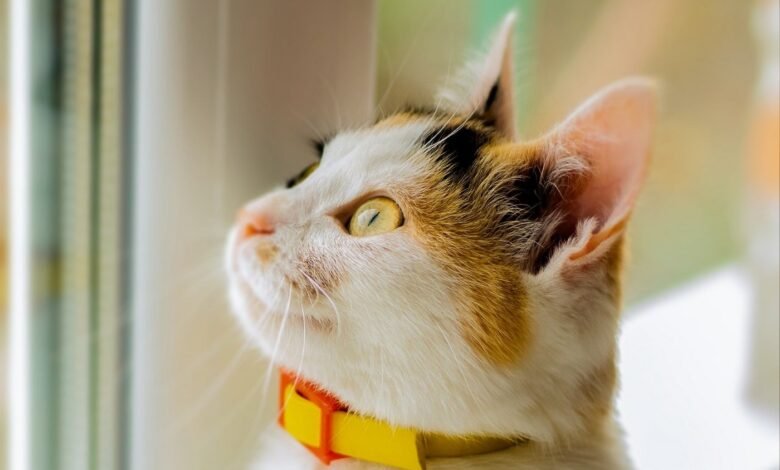
It starts innocently enough — you open the back door for just a moment, and your cat slips out into the neighborhood before you even realize what happened. Hours pass, and that familiar knot of anxiety tightens in your chest as you walk the streets calling their name. For millions of cat owners, this scenario isn’t hypothetical. It’s a recurring nightmare that no amount of careful supervision can entirely prevent.
Modern pet ownership has evolved alongside technology, and today’s solutions go far beyond a simple collar tag with a phone number. The smallest GPS tracking device for cats represents a genuine leap forward in how we protect our feline companions — combining precision location technology with real-time alerts in a package light enough that your cat barely notices it’s there. For tech-savvy pet owners who want more than hope and luck on their side, these compact devices deliver the kind of proactive, data-driven safety that matches their lifestyle. This article explores everything you need to know about GPS cat trackers — from how the technology works to choosing the right device and setting it up for maximum protection.
Why GPS Tracking is Essential for Modern Pet Safety Solutions
Cats are curious, independent creatures — and that independence is precisely what makes them vulnerable. Unlike dogs, cats rarely stay close to home out of loyalty alone. They follow scents, chase prey, and explore territory that stretches well beyond your backyard. When something startles them or captures their attention, they can cover surprising distances in very little time. Traffic, predators, extreme weather, and territorial disputes with other animals all pose genuine threats to cats that roam freely. Even indoor cats, given an unexpected opportunity, can vanish into an unfamiliar environment where their instincts offer limited protection. Traditional identification methods — microchips and collar tags — only help after someone finds your cat and brings them to a shelter or vet. They do nothing to help you locate your pet in real time.
The Natural Instincts of Cats and Escape Risks
Cats are hardwired to explore. Their territorial instincts drive them to patrol and expand their range, especially unneutered males who can roam miles in a single night. Even a well-adjusted indoor cat may bolt during a thunderstorm or when a delivery person leaves the front door ajar. GPS tracking addresses this fundamental vulnerability by shifting your role from reactive to proactive. Rather than waiting for a neighbor’s call or posting lost-pet flyers, you receive escape alerts the moment your cat leaves a designated safe zone — a feature that transforms a potential crisis into a manageable situation. That immediate notification gives you a head start that can make all the difference, especially in urban environments where a cat can quickly become disoriented. For pet owners who understand that accidents happen regardless of precautions, GPS tracking isn’t a luxury — it’s a logical, technology-driven layer of protection that delivers genuine peace of mind every single day.
Understanding the Technology Behind GPS Tracking Devices
For tech-savvy pet owners, knowing what’s actually happening inside that tiny device clipped to your cat’s collar makes a real difference in how confidently you rely on it. Modern GPS trackers for pets aren’t simply miniaturized car navigation systems — they’re sophisticated multi-network tools that combine satellite positioning with cellular data transmission to deliver location updates you can act on immediately.
How GPS and Cellular Networks Enable Real-Time Tracking
A GPS tracker works by receiving signals from multiple satellites orbiting Earth and calculating your cat’s precise position through a process called trilateration. That position data alone, however, stays locked inside the device until a cellular or Wi-Fi connection transmits it to a remote server — and from there, straight to your smartphone app. Most quality pet trackers today use a combination of GPS satellites, cellular LTE networks, and Wi-Fi positioning to maintain accuracy even in areas where satellite signals are partially blocked by buildings or dense tree cover. This layered approach means the tracker can fall back on alternative positioning methods when needed, keeping location updates flowing reliably whether your cat is hiding under a neighbor’s porch or wandering through a park.
Key Features: Battery Life, Escape Alerts, and Durability
Battery life GPS performance is one of the most practical considerations for everyday use. Most compact cat trackers offer anywhere from a few days to several weeks of battery life depending on how frequently they ping their location — a setting you can typically adjust based on your cat’s activity patterns. When your cat is quietly napping indoors, the device can enter a low-power mode; when movement is detected, it switches to active tracking automatically. Escape alerts are equally critical: these geofencing notifications trigger the instant your cat crosses a boundary you’ve drawn on the app, giving you immediate awareness rather than a delayed discovery. Durability matters too, since a tracker attached to an active outdoor cat must withstand rain, mud, rough play, and the occasional tree climb — so look for devices with solid waterproofing ratings and scratch-resistant housings built specifically for pet technology demands.
Choosing the Smallest GPS Tracking Device for Your Cat
Selecting the right GPS tracker for your cat isn’t simply a matter of picking the most feature-rich option on the market. The smallest GPS tracking device for cats needs to strike a precise balance between technological capability and physical practicality — because a tracker your cat refuses to wear, or one heavy enough to affect their movement, defeats the entire purpose. The ideal device sits comfortably on your cat’s collar without shifting, snagging on branches, or adding enough weight to cause discomfort during normal activity. As a general guideline, a tracker should weigh no more than 10% of your cat’s body weight, though lighter is always better when the technology allows for it.
Factors to Consider: Size, Weight, and Cat Comfort
Beyond raw weight, the physical profile of the device matters enormously for active cats. A bulky tracker that protrudes significantly from the collar can catch on fences, bushes, or tight spaces that cats routinely squeeze through — creating a genuine safety hazard. Look for low-profile designs with rounded edges and smooth housings that sit flush against the collar. Collar compatibility is another practical factor: some trackers clip onto standard breakaway collars, while others require proprietary collar systems. Breakaway collar compatibility is non-negotiable for outdoor cats, as it ensures the collar releases under pressure if your cat gets snagged. Water resistance rated at IPX7 or higher is equally important for cats that spend any time outdoors regardless of weather conditions.
Review of Top Compact GPS Trackers Available
The current market offers several standout options worth evaluating side by side. The Tractive GPS Cat Tracker consistently ranks among the most compact and lightweight options, offering real-time tracking and geofencing in a slim, waterproof form factor designed specifically for cats. The Whistle Go Explore provides a slightly larger but feature-rich alternative that adds basic health monitoring alongside location tracking. For owners prioritizing minimal size above all else, the DBDD GPS Tracker delivers an impressively small footprint with multi-network positioning that performs reliably across a wide range of environments, from dense urban neighborhoods to suburban backyards. Each of these devices pairs with a dedicated smartphone app that handles geofence setup, alert customization, and location history — giving you a complete picture of your cat’s movements without requiring any technical expertise beyond basic smartphone navigation.
Step-by-Step Guide to Setting Up and Using Your GPS Tracker
Getting your GPS tracker operational takes less time than most people expect, and the setup process is straightforward enough that you’ll have your cat monitored within a single afternoon. The key is moving through each stage methodically rather than rushing straight to the app before the device is properly attached and charged.
Installation, Pairing, and Initial Configuration
Start by fully charging the tracker before attaching it to anything — most devices indicate a complete charge through a solid LED light or an in-app notification. Once charged, thread the tracker onto your cat’s breakaway collar according to the manufacturer’s instructions, ensuring it sits snugly against the collar without rotating freely. Download the companion app, create your account, and follow the pairing prompts, which typically involve scanning a QR code on the device or entering a serial number. After pairing, place the tracker near a window or take it outside briefly to allow it to acquire a GPS signal for the first time — this initial lock can take two to five minutes but establishes the baseline accuracy all future tracking depends on.
Maximizing Safety with Custom Alerts and Notifications
With the device connected, open the geofencing section of your app and draw a safe zone boundary around your home — most apps let you drag a radius or trace a custom shape directly on the map. Set the boundary conservatively, keeping it tight enough that you receive alerts before your cat reaches a road or neighboring property. Enable escape alerts as push notifications rather than email only, since immediate awareness is the entire point. Adjust the tracking frequency to a balanced setting that preserves battery life during calm periods while switching to frequent updates when motion is detected. Check the battery status daily through the app until you establish a reliable recharging routine that fits your cat’s typical activity schedule.
Advanced Pet Safety Solutions and Future Trends in Pet Technology
GPS tracking as we know it today is only the beginning. The pet technology industry is evolving rapidly, and the next generation of safety solutions will move well beyond simple location monitoring. Developers are already integrating artificial intelligence, IoT connectivity, and biometric sensing into compact devices that do far more than tell you where your cat is — they’ll tell you how your cat is doing, predict behavioral patterns, and communicate seamlessly with the other smart systems already running in your home.
Integrating GPS with Home Automation and Health Monitoring
Smart home integration represents one of the most practical near-term developments in pet safety. Imagine your GPS tracker communicating directly with your smart door lock — automatically securing the cat flap when your cat’s location data shows they’ve wandered beyond a safe perimeter, or triggering a security camera to record the backyard the moment movement is detected near the fence line. Some trackers already incorporate basic health monitoring features like activity levels and sleep pattern tracking, giving veterinarians useful behavioral data alongside location history. As sensor miniaturization continues, expect future devices to monitor heart rate, body temperature, and caloric expenditure — turning a single collar-mounted device into a comprehensive wellness platform that flags health anomalies before they become emergencies.
What’s Next in Pet Tech: AI and Enhanced Connectivity
Predictive analytics powered by machine learning will likely define the next major leap in pet technology. By analyzing months of location history and behavioral data, AI systems will learn your cat’s normal patterns well enough to flag deviations automatically — alerting you when your cat lingers in an unusual location or moves at an unexpected time of night. Enhanced cellular connectivity through 5G networks will also dramatically improve tracker accuracy and response times, making real-time updates nearly instantaneous. For tech-savvy pet owners, these advancements mean GPS tracking will evolve from a reactive safety tool into a genuinely intelligent companion system that works proactively to keep your cat safe.
Investing in Your Cat’s Safety with GPS Technology
The smallest GPS tracking device for cats isn’t just a gadget — it’s a genuine shift in how responsible pet ownership works in a connected world. Throughout this guide, we’ve seen how real-time location tracking, customizable escape alerts, and smart geofencing work together to transform a reactive, anxiety-driven experience into something proactive and manageable. Whether your cat is an occasional escape artist or a confirmed indoor explorer who occasionally slips past an open door, this technology closes the gap between uncertainty and confidence.
For tech-savvy pet owners, the appeal goes beyond simple peace of mind. GPS trackers integrate naturally into a data-driven lifestyle, delivering actionable information rather than vague reassurance. As pet technology continues advancing — with AI-powered behavioral insights and smart home integration on the horizon — the devices available today already represent a meaningful, practical investment in your cat’s long-term safety. The setup takes an afternoon, the learning curve is minimal, and the protection it provides is ongoing. Your cat’s curiosity and independence aren’t going away, but with the right tracker on their collar, neither is your ability to find them when it matters most. Embrace this technology now, and let it do the worrying for you.