The pursuit of the perfect espresso shot at home has become more achievable than ever, yet one critical factor often determines success or failure: how you grind your coffee beans. The grinding process directly impacts flavor extraction, crema development, and overall cup quality. At the heart of this lies a fundamental debate that confuses many home baristas: should you choose a burr grinder or a blade grinder for espresso preparation? While blade grinders may seem convenient and affordable, they fall significantly short of the demands that espresso brewing requires. This article guides you through the essential differences between these two grinder types, explores why burr grinders reign supreme for espresso, and helps you understand the key features that matter most. By the end, you’ll have the knowledge to make an informed decision that elevates your home espresso experience and transforms your daily coffee ritual into something truly exceptional.
The Fundamental Showdown: Burr Grinder vs Blade Grinder
How Blade Grinders Work and Their Limitations
Blade grinders operate using a simple spinning blade mechanism that chops coffee beans rather than grinding them uniformly. As the blade rotates at high speeds, it randomly cuts beans into fragments of varying sizes, creating an inconsistent mixture of fine powder, medium particles, and larger chunks. This chaotic process generates significant heat, which can prematurely degrade the coffee’s delicate flavor compounds and aromatic oils. For espresso preparation, this inconsistency proves catastrophic. The fine particles over-extract quickly, creating bitter, astringent shots, while larger pieces under-extract, leaving sour notes. Additionally, blade grinders offer no precise control over grind size, making it nearly impossible to dial in the specific texture espresso demands.
The Superior Mechanics of Burr Grinders
Burr grinders employ two rotating surfaces—either flat discs or conical shapes—that crush coffee beans between them with mechanical precision. This method produces uniform particle sizes because the distance between the burrs determines the final grind consistency. Flat burrs create a more uniform grind ideal for espresso, while conical burrs offer slightly more heat resistance and work well for various brew methods. The key advantage lies in adjustability: burr grinders feature numbered settings that allow you to control exactly how fine or coarse your grounds become. This precision is essential for espresso, where even microscopic variations in grind size dramatically affect extraction rates, shot flow, and final flavor. Steel burrs resist wear longer than alternatives, while ceramic burrs reduce heat generation. The mechanical design of burr grinders ensures that every bean passes through the same grinding process, delivering the consistency that espresso extraction absolutely requires for quality results.
Why an Espresso Burr Grinder is Non-Negotiable
Espresso brewing operates within an unforgiving margin of error where grind consistency directly determines whether you achieve an exceptional shot or a disappointing cup. Unlike other brewing methods that tolerate slight variations in particle size, espresso demands extreme precision because water passes through the grounds under high pressure for just 25-30 seconds. During this brief window, every particle must extract at nearly identical rates. When grounds vary significantly in size, the finer particles over-extract within seconds, releasing bitter compounds and astringency, while larger pieces under-extract, leaving sour, hollow flavors. An espresso burr grinder eliminates this problem by producing uniformly sized particles that extract evenly throughout the shot, resulting in balanced flavor, rich crema development, and the complexity that makes espresso truly special. The consistency from a burr grinder also enables proper dialing in—the critical process of adjusting grind size until your espresso flows at the ideal rate and tastes balanced. Blade grinders make dialing in impossible because you cannot achieve repeatable results; each grind session produces different particle distributions. Furthermore, the heat generated by blade grinders degrades the coffee’s volatile aromatic compounds before extraction even begins, compromising the sensory experience. Investing in an espresso burr grinder transforms your home espresso setup from a frustrating experiment into a reliable system where technique and equipment work together to produce consistently delicious results.
Key Features to Evaluate in a Burr Coffee Grinder
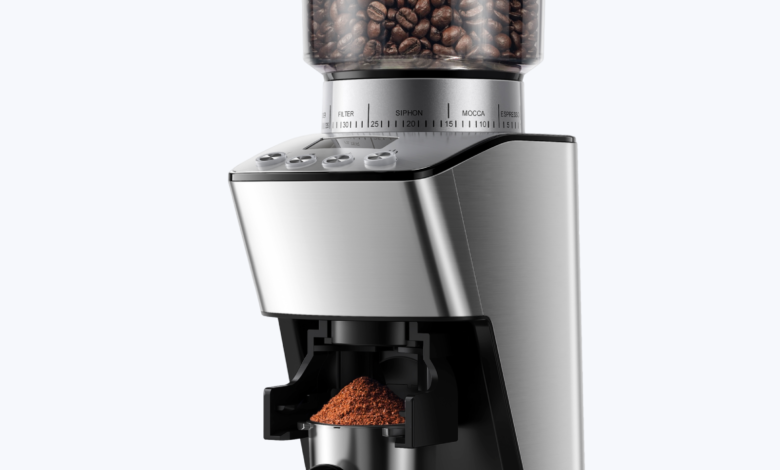
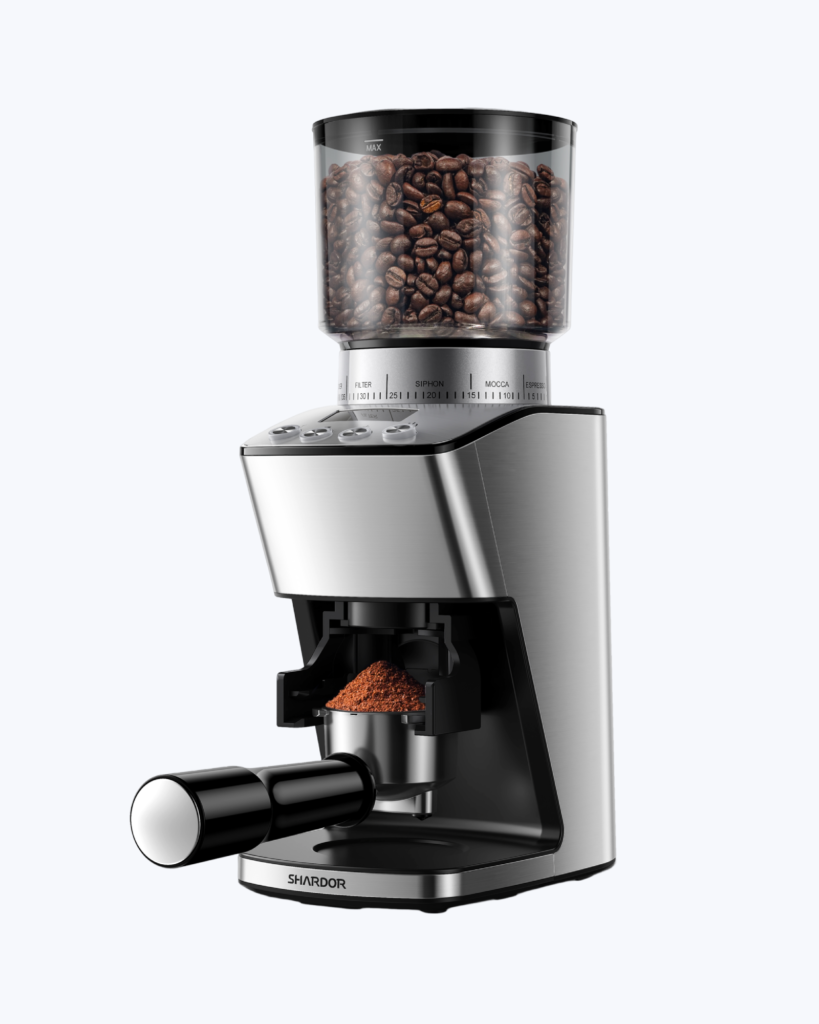
Selecting the right espresso grinder requires understanding the features that directly impact your brewing results. Burr material forms the foundation of grinder performance: steel burrs offer exceptional durability and maintain sharpness over extended use, making them ideal for daily espresso preparation, while ceramic burrs generate less heat during grinding, preserving delicate flavor compounds, though they’re more fragile. Burr size matters significantly—larger burrs typically produce more uniform grounds and handle higher volumes more efficiently than smaller alternatives. Motor power determines grinding speed and consistency; a grinder with adequate wattage maintains steady performance without stalling under pressure from tightly packed beans. Noise level deserves consideration for early morning grinding sessions, as some burr grinders operate considerably quieter than others depending on motor design and insulation. Beyond these core components, hopper size affects how frequently you need to refill, while static reduction features—such as slightly dampened hoppers or anti-static coatings—prevent grounds from clinging to surfaces and ensure accurate dosing. The grinder’s overall build quality, including whether the burr chamber is sealed to minimize air exposure, influences how well it preserves bean freshness between grinds. Many quality grinder manufacturers like SHARDOR have engineered their models with these specifications in mind, offering options that balance performance with accessibility for home baristas at various experience levels. Evaluating these features helps you identify an espresso grinder that matches your workflow, budget, and quality expectations, ensuring consistent performance that supports your home barista journey.
Grind Settings and Adjustability: The Heart of Control
Grind settings represent the most critical feature for espresso success because they enable precise control over particle size and extraction rates. A quality espresso grinder should offer numerous adjustment increments—ideally 40 or more settings—allowing you to make micro-adjustments that fine-tune your shot’s flow and flavor. Stepped settings provide distinct click positions that make it easy to return to previously successful configurations, while stepless settings offer infinite adjustment possibilities for those seeking maximum precision. The ability to dial in becomes your superpower: if your espresso pulls too quickly and tastes sour, you increase fineness slightly; if it flows too slowly and tastes bitter, you coarsen the grind incrementally. This iterative process transforms inconsistent results into repeatable excellence. Look for grinders with clearly marked settings and smooth adjustment mechanisms that don’t require excessive force or produce grinding inconsistencies when changing positions. Some advanced models feature memory settings or digital displays that help track your preferred adjustments across different beans or brew styles, streamlining your workflow and eliminating guesswork from the dialing-in process.
Mastering Grind Settings for Various Brewing Methods
Understanding how to adjust your burr grinder across different brewing methods transforms it from a single-purpose espresso tool into a versatile coffee companion. Espresso requires the finest grind setting—a consistency resembling powdered sugar—because water under pressure must extract quickly and evenly through tightly packed grounds. Moving up the grind scale, pour-over methods like Chemex or V60 demand a medium-fine texture that allows water to flow steadily while extracting balanced flavors over two to four minutes. French press brewing calls for a coarse, chunky grind that prevents fine particles from passing through the metal mesh filter and muddying your cup. AeroPress falls somewhere in the middle, typically using a medium grind that accommodates its shorter brew time and paper filtration. Turkish coffee represents the opposite extreme of espresso, requiring an ultra-fine powder that settles at the cup’s bottom. Start your experimentation by grinding slightly coarser than you think necessary, then taste and adjust finer if the result tastes sour or weak. If your espresso pulls too quickly with a hollow, sour flavor, increase the fineness incrementally until flow slows to the ideal 25-30 second range. Conversely, if shots pull slowly and taste bitter or ashy, coarsen the grind progressively. Keep detailed notes about successful settings for each brewing method and bean origin, creating a personal reference guide that eliminates guesswork during future brewing sessions and accelerates your path to consistently delicious coffee.
Practical Guide for Home Baristas: Choosing Your Grinder
Selecting the right espresso grinder requires a systematic approach that balances your budget, brewing frequency, and quality aspirations. Start by assessing your commitment level: casual espresso drinkers who brew occasionally can prioritize affordability and basic functionality, while daily home baristas should invest in premium features that ensure consistent performance over years of use. Next, identify which features matter most to your workflow. If you brew exclusively espresso, prioritize grind setting precision and burr quality above all else. If you plan to experiment with multiple brewing methods, ensure your grinder offers a wide enough adjustment range to handle everything from ultra-fine espresso to coarse French press grounds. Consider your kitchen environment—noise-sensitive households benefit from quieter motor designs, while limited counter space demands compact models with smaller hoppers.
When comparing grinder options across different price ranges, evaluate the core specifications: burr material and size, number of grind settings, motor wattage, and build quality. Mid-range grinders typically offer excellent value, delivering reliable burr mechanisms and adequate grind settings without premium pricing. Test your chosen grinder by grinding a small batch of fresh beans and assessing the consistency—the grounds should feel uniform and powdery for espresso without clumping or significant variation in particle size. Maintenance ensures longevity: clean your grinder regularly by running it empty to purge residual grounds, and occasionally grind uncooked rice to naturally clean the burrs. Keep your grinder in a cool, dry location away from humidity, which can cause static and bean moisture issues. Document your successful grind settings and bean characteristics in a notebook or phone app, creating a personalized reference that accelerates dialing in with new beans. By following these practical steps—assessing your needs, prioritizing features, comparing options, and maintaining your equipment—you’ll confidently select an espresso grinder that transforms your home coffee experience and supports your journey toward barista-quality shots.
The Essential Investment for Home Espresso Excellence
The choice between a burr grinder and blade grinder for espresso is not a matter of personal preference—it’s a fundamental requirement for success. Burr grinders deliver the consistency and precision that espresso extraction demands, producing uniformly sized particles that extract evenly and create balanced, flavorful shots with rich crema. Blade grinders, despite their affordability and convenience, cannot overcome their inherent limitations: inconsistent particle sizes, heat generation, and lack of adjustment control make them unsuitable for espresso preparation. The key features that matter most—burr material, grind settings, motor quality, and build construction—directly impact your ability to dial in shots and achieve repeatable results. Whether you’re just beginning your home espresso journey or refining your existing setup, investing in a quality espresso burr grinder represents one of the most impactful decisions you can make. The difference between frustration and satisfaction often comes down to this single piece of equipment. By understanding the mechanisms, recognizing the importance of precise grind settings, and selecting a grinder matched to your needs and budget, you equip yourself with the tools necessary for barista-quality espresso at home. Your daily coffee ritual transforms from a gamble into a reliable, enjoyable practice where technique and equipment work together harmoniously. Embrace the journey of home espresso with confidence, knowing that a quality burr grinder stands beside you as your partner in crafting exceptional cups that rival your favorite café.