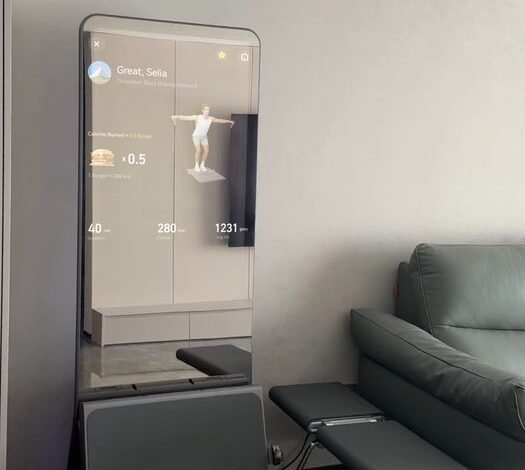
Between back-to-back meetings, late-night deadlines, and family obligations, finding time to hit the gym feels nearly impossible for most professionals. Sound familiar? You’re not alone — millions of driven, career-focused individuals sacrifice their fitness simply because the traditional gym model doesn’t fit their lives. The commute, the crowded equipment, the rigid class schedules — it all adds up to one thing: missed workouts and stalled progress.
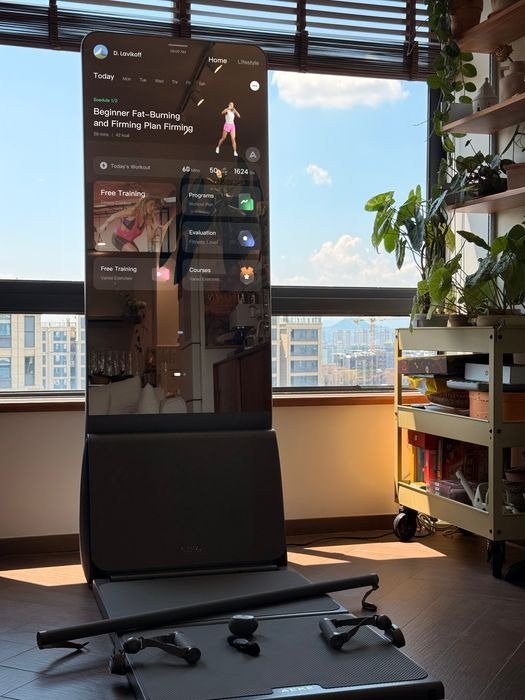
The good news is that building a dedicated strength training space at home eliminates every one of those barriers. A well-designed home gym gives you the freedom to train on your schedule, without wasting a single minute in transit or waiting for equipment. Whether you have a spare bedroom, a corner of your garage, or just a small open area in your living room, the right setup can deliver serious results.
This guide walks you through everything you need to make it happen — from selecting the most effective core equipment and designing time-efficient workout routines to optimizing limited space and launching a personalized strength plan that actually sticks.
The Essential Benefits of a Home Gym for Time-Pressed Professionals
The math is simple: a typical gym visit consumes 60 to 90 minutes once you factor in the drive, locker room time, and waiting for equipment. Multiply that by three or four sessions per week, and you’re looking at six-plus hours lost to logistics alone. A home gym collapses that overhead to zero. You walk ten steps from your home office, train for 30 minutes, and you’re done — showered and back at your desk before a traditional gym-goer has even found parking.
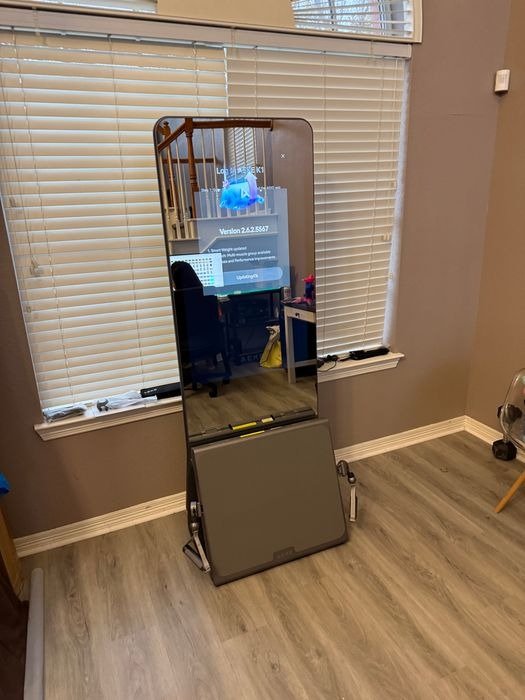
Beyond time savings, consistency is where home gyms truly shine. Busy professionals don’t skip workouts because they lack motivation — they skip because friction accumulates. Bad weather, packed schedules, and gym crowds all create small barriers that compound into weeks of missed training. When your equipment is always available, always set up, and never crowded, those excuses simply disappear. The result is a training frequency that actually matches your intentions.
Privacy is another underrated advantage. There’s no waiting for a bench, no unsolicited advice from strangers, and no self-consciousness about learning new movements. You can focus entirely on your form, your progress, and your goals. For strength building specifically, this environment matters — progressive overload requires precise tracking and focused effort, both of which come far more naturally when you control your surroundings. Over months and years, that focused consistency compounds into real, measurable strength gains that a sporadic gym schedule simply cannot match.
Curating Your Core Workout Home Gym Equipment for Strength Building
Choosing the right equipment is the single most important decision you’ll make when building your home gym. The goal isn’t to replicate a commercial gym — it’s to select a focused set of tools that cover the fundamental movement patterns: push, pull, hinge, squat, and carry. Start with adjustable dumbbells, which replace an entire rack of fixed weights in a fraction of the space. Add a resistance band set for mobility work, assisted movements, and accessory exercises. A pull-up bar, either doorframe-mounted or freestanding, handles your vertical pulling needs. A flat utility bench unlocks dozens of pressing and rowing variations. These four items alone can drive significant strength gains for months.
When evaluating any piece of equipment, prioritize two things above everything else: durability and versatility. Cheap equipment that wobbles, snaps, or degrades under load isn’t just frustrating — it’s a safety hazard. Look for steel construction, secure locking mechanisms on adjustable pieces, and weight ratings that exceed your current strength level by a comfortable margin. Versatility matters because every square foot in a home gym is valuable; equipment that serves only one purpose is a poor investment of both space and money.
Budget-Friendly vs. Premium Fitness Equipment Choices
Entry-level options — basic hex dumbbells, looped resistance bands, and a simple doorframe pull-up bar — can get you started effectively without significant financial commitment. These are perfectly adequate for beginners and anyone testing whether home training fits their lifestyle. However, as your strength increases, the limitations of budget gear become apparent. Adjustable dumbbells with selectorized mechanisms, a power rack with safety catches, and a quality barbell and plate set represent premium investments that pay dividends in safety, longevity, and training range. Brands like AEKE have made this middle ground more accessible, offering adjustable dumbbell sets that combine solid steel construction with space-saving designs suited to home environments. The smartest approach is to start lean with core basics, then reinvest in premium fitness equipment once you’ve confirmed your commitment to the routine. Spending more on a single high-quality adjustable dumbbell set upfront often costs less than replacing cheap equipment twice within the same period.
Designing Efficient Workouts for Maximum Impact in Minimal Time
The biggest mistake busy professionals make isn’t skipping workouts — it’s believing effective training requires an hour or more. Research consistently shows that 25 to 30 minutes of focused, well-structured strength work produces meaningful muscle and strength adaptations. The key is eliminating dead time between sets by using supersets and circuit-style sequencing, where you pair non-competing movements back to back. A push exercise followed immediately by a pull exercise, for example, lets one muscle group recover while the other works. This approach cuts rest time in half without compromising output on either movement.
Compound movements are your highest-return investment in a time-crunched session. Squats, deadlifts, rows, and presses each recruit multiple muscle groups simultaneously, meaning you accomplish in one exercise what isolation movements would require three or four sets to replicate. Structure your sessions around two or three compound lifts as anchors, then add one or two accessory exercises to address specific weaknesses. This framework keeps sessions tight and purposeful rather than scattered across a dozen exercises with no clear priority.
Sample Efficient Workout Routines for Beginners and Intermediates
For beginners, a three-day full-body routine works exceptionally well. Each session opens with a squat pattern — goblet squats with a dumbbell — paired with a dumbbell row for three rounds of ten reps each, resting 45 seconds between rounds. Follow that with a push-up superset paired with a Romanian deadlift for three rounds of eight to twelve reps. Finish with a single core movement like a plank hold for 30 to 45 seconds. Total training time: under 25 minutes. Intermediate trainees can shift to an upper-lower split across four days, increasing load progressively each week by adding five percent to compound lifts whenever they complete all target reps with clean form. Tracking each session — weights used, reps completed, and how the effort felt — is non-negotiable for steady progression. Without that data, you’re guessing rather than programming, and guessing rarely produces consistent strength gains over time.
Integrating Flexibility Training for a Balanced Fitness Regimen
Strength training builds muscle, but flexibility work is what keeps you training consistently over the long haul. Tight hips, stiff thoracic spines, and restricted shoulder mobility don’t just limit your lifting performance — they create compensatory movement patterns that eventually lead to injury. For busy professionals already managing physical stress from hours of desk work, a brief flexibility routine isn’t optional; it’s protective maintenance. The good news is that meaningful flexibility work requires minimal equipment and minimal time. A quality yoga mat and a foam roller are the only two additions your home gym needs to cover this base. The foam roller addresses soft tissue quality by releasing muscle knots and improving circulation before or after training, while the mat provides a clean surface for targeted stretching. Post-workout is the ideal window for static stretching since muscles are warm and pliable. A focused ten-minute sequence — hip flexor stretches, thoracic rotations, hamstring holds, and shoulder cross-body stretches — addresses the areas most compromised by sedentary work and heavy lifting alike. Done consistently after each strength session, this brief routine accelerates recovery, reduces next-day soreness, and keeps your movement quality sharp as training loads increase.
Space-Smart Setup: Optimizing Your Home Gym for Small Areas
Limited square footage is rarely the real obstacle — poor planning is. The professionals who make home gyms work in tight spaces share one habit: they choose equipment that earns its footprint by serving multiple functions. Adjustable dumbbells eliminate an entire rack. A foldable bench stores vertically against a wall when not in use. A single power tower combines pull-ups, dips, and push-up handles in one compact frame. Rubber flooring tiles protect your floor, reduce noise, and define your training zone without requiring a dedicated room.
Layout matters as much as equipment selection. Position your heaviest, most-used items against walls to keep the center of your space open for movement-based exercises like lunges, deadlifts, and floor work. Vertical storage — wall-mounted hooks for resistance bands, shelving for smaller accessories — reclaims floor space immediately. If your gym doubles as another room, a storage ottoman or cabinet keeps equipment out of sight between sessions, making the space feel intentional rather than cluttered. Even a 6-by-8-foot area, organized thoughtfully, can house a complete and fully functional strength training setup.
Step-by-Step Guide to Building Your Strength Training Home Gym
Knowing what you need is one thing — actually building it is another. A structured approach prevents the two most common mistakes: buying equipment impulsively without a clear plan, or over-investing upfront before you’ve established a consistent routine. Breaking the process into three distinct phases keeps decisions manageable and ensures your gym grows alongside your commitment.
Phase 1: Planning and Assessment
Start by measuring your available space precisely — length, width, and ceiling height all matter. A ceiling under eight feet rules out certain overhead movements and equipment. Next, set a realistic budget with two tiers: a minimum viable setup and an ideal setup. Then define your specific strength goals. Are you building general fitness, targeting muscle gain, or training for a sport? Your answer directly shapes which equipment deserves priority. Write these goals down — vague intentions produce vague results.
Phase 2: Acquisition and Assembly
Purchase core equipment first: adjustable dumbbells, a utility bench, and a pull-up bar cover the vast majority of effective strength movements. Lay rubber flooring tiles before placing any equipment — they protect your floor and define the training zone immediately. Assemble each piece according to manufacturer specifications, check all bolts and locking mechanisms before loading weight, and confirm every item sits level and stable. Resist the urge to buy accessories until your foundational pieces are in place and you’ve trained with them for at least two weeks.
Phase 3: Launching Your Routine
Begin with three full-body sessions per week on non-consecutive days — Monday, Wednesday, Friday works well for most schedules. Log every session from day one: exercises, sets, reps, and weights used. After four weeks, review your data and identify where progress has stalled or where movements feel consistently strong. Adjust loads, swap exercises, or add a fourth session based on what the numbers reveal. Your gym is built — now let the results compound.
Start Building Your Home Gym and Train on Your Terms
Building a strength training home gym isn’t a luxury reserved for fitness enthusiasts with unlimited time and space — it’s one of the most practical investments a busy professional can make. The core message throughout this guide is straightforward: you don’t need a massive budget, a dedicated room, or hours of free time to build real, lasting strength. You need the right equipment, a sensible layout, and a structured routine designed around the life you actually live.
Start small and start smart. A set of adjustable dumbbells, a utility bench, and a pull-up bar give you everything required to begin. Add flexibility work with a mat and foam roller, organize your space for efficiency, and commit to three focused sessions per week. From there, let your progress guide your next investment — whether that’s a power rack, additional weight plates, or simply a more demanding program.
The professionals who succeed with home training aren’t the ones who build the most elaborate setups on day one. They’re the ones who take action, stay consistent, and let results compound over time. Your home gym is waiting. Measure your space, set your budget, and order your first piece of equipment today — because the best workout is always the one you actually do.