In a city packed with dining options, a restaurant’s success isn’t just about the food-it’s about the story it tells. Branding is no longer a background element; it’s central to how diners perceive, remember, and choose a restaurant. Strong restaurant branding can transform a modest eatery into a local institution, attract repeat customers, and even increase profitability.
Branding isn’t just a logo or a colour scheme. It’s the personality a restaurant communicates through its décor, menu, service, and even online presence. It’s how a guest feels the moment they walk in, scroll the website, or engage with social media. Restaurants that invest thoughtfully in branding often see tangible business benefits: higher loyalty, better word-of-mouth, and stronger visibility in a competitive market.
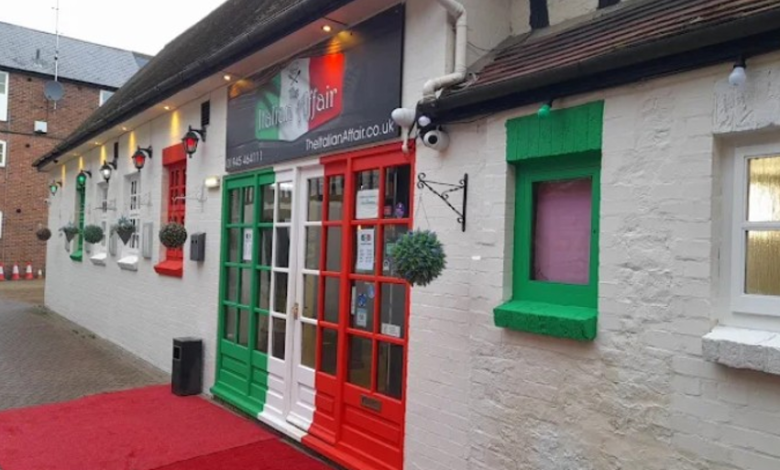
Take The Italian Affair, for example. This Italian restaurant in Wisbech has built a brand around warmth, authenticity, and approachable Italian cuisine. From the rustic décor to the carefully curated menu, every element reinforces the message: diners are entering a space that feels personal and genuine. That consistency in messaging doesn’t just make the restaurant memorable; it also fosters trust. Customers know exactly what to expect, and that predictability keeps them coming back
Interestingly, research in consumer behaviour shows that people often choose restaurants based on perceived reliability and brand identity rather than price alone. When a restaurant consistently communicates its values-through the ambiance, social media posts, or even the tone of menu descriptions-it creates an expectation that attracts loyal customers. Branding, in this sense, acts as a form of silent marketing.
How Branding Influences Customer Perception
Branding shapes perception at every touchpoint. From the first glance at a logo to the final bite of dessert, each interaction communicates a message. Strong branding helps customers understand a restaurant’s personality and differentiates it from competitors.
For instance, Osteria by Bocconcino, a modern Italian restaurant in central London, has positioned itself as a refined yet approachable dining experience. The branding is evident not just in the polished interior and elegant tableware, but in the way staff describe the menu-confidently and with warmth. The restaurant’s social media reinforces this identity, highlighting seasonal ingredients and chef’s specials while maintaining a consistent aesthetic.
This level of brand cohesion has measurable impacts. Guests walking in for the first time can immediately grasp what the restaurant stands for, reducing hesitation and increasing the likelihood of a positive experience. Repeat visits become about the entire experience, not just the food. That’s crucial in today’s competitive dining market, where a single negative impression can be magnified online.
Branding as a Revenue Driver
Strong branding doesn’t just attract guests-it can also increase revenue. A well-branded restaurant often commands higher perceived value. Customers are willing to pay more when they feel confident in the quality, experience, and consistency promised by the brand.
Consider Poke Shack, a contemporary poke restaurant in London. Its branding focuses on freshness, speed, and modern casual dining, appealing to busy professionals and health-conscious diners alike. The brand’s visual identity, including clean, vibrant graphics and a recognizable logo, communicates the promise of a quick, satisfying, and wholesome meal. That clarity not only attracts new customers but also encourages repeat business, as people know exactly what to expect from every visit.
Restaurants with strong branding can also explore merchandising or partnerships more effectively. Branded packaging, loyalty programs, and collaborations with local producers or events become extensions of the restaurant identity, creating additional revenue streams and reinforcing customer loyalty.
Online Presence and Digital Branding
In 2026, a restaurant’s digital footprint is just as important as its physical space. Many diners now discover new restaurants online before ever stepping through the door. Consistent branding across websites, social media, and delivery platforms ensures that potential guests get a cohesive impression no matter where they encounter the restaurant.
For The Italian Affair, maintaining a polished online presence aligns with the cozy, authentic atmosphere of the physical restaurant. High-quality photography, clear menus, and customer testimonials reinforce the brand promise and create anticipation for the dining experience. Osteria by Bocconcino and Poke Shack follow similar strategies, ensuring that every digital touchpoint reflects their restaurant’s personality and values.
This alignment between physical and digital branding isn’t just aesthetic-it influences conversions. Customers are more likely to book a table, order takeaway, or recommend a restaurant if the online brand feels consistent and trustworthy.
Emotional Connection and Brand Loyalty
Beyond marketing and revenue, branding also drives emotional engagement. Diners are drawn to restaurants that resonate with them personally, whether through the type of cuisine, the ambiance, or shared values like sustainability or local sourcing. Emotional connections build loyalty that withstands price fluctuations or new competitors.
For example, Osteria by Bocconcino emphasizes seasonal Italian ingredients and a relaxed, communal dining environment. Guests remember more than the food-they remember the sense of occasion and the feeling of being part of a welcoming space. Over time, that emotional loyalty translates to repeat visits, positive reviews, and word-of-mouth promotion.
Similarly, Poke Shack’s branding around freshness and quick service builds trust and reliability. Diners who value convenience and quality will return consistently because the brand delivers on its promise every time.
See also: Boosting Business Growth Through Effective Visual Marketing
Differentiation in a Crowded Market
The restaurant industry is fiercely competitive. Hundreds of new openings vie for attention each year. Strong branding provides differentiation.
The Italian Affair stands out in Wisbech because it communicates authenticity and warmth, creating a distinct niche among Italian restaurants. Osteria by Bocconcino differentiates itself in London’s bustling Italian scene by emphasizing modern, approachable dining with seasonal ingredients. Poke Shack appeals to a health-conscious urban audience looking for a quick, fresh, and satisfying meal.
When branding is clear, diners immediately understand why one restaurant is different from another. That clarity reduces decision fatigue and drives traffic to the venues that have communicated their identity effectively.
Balancing Consistency and Evolution
Strong restaurant branding doesn’t mean stagnation. Brands must evolve to stay relevant while maintaining core identity. Seasonal menus, refreshed interiors, or updated digital campaigns can refresh the brand without confusing customers.
Osteria by Bocconcino, for instance, frequently updates its seasonal menu while retaining signature dishes that define its brand. Poke Shack introduces new ingredients and bowl combinations without straying from its core identity of freshness and speed. The Italian Affair occasionally rotates special dishes but continues to deliver the authentic, warm experience that defines its brand.
Balancing evolution and consistency ensures that the brand remains memorable while adapting to changing customer expectations.
Measuring the Business Impact
Strong branding has measurable effects on key performance indicators. Restaurants with cohesive, recognizable brands often see:
- Higher table turnover and repeat visits
- Increased average spend per guest
- Stronger online engagement and reservations
- Better customer retention and loyalty
Beyond numbers, branding also influences reputation. A strong brand inspires word-of-mouth recommendations, social media mentions, and press coverage, all of which can drive traffic without direct advertising.
Conclusion
The business impact of strong restaurant branding is clear. It shapes perception, drives revenue, builds loyalty, and differentiates restaurants in a crowded market.
The Italian Affair in Wisbech shows how warmth and authenticity create a lasting impression. Osteria by Bocconcino in London demonstrates how modern, approachable Italian dining can stand out through thoughtful branding. Poke Shack captures the urban, health-conscious audience with a consistent message of freshness and convenience.
Strong branding isn’t just a marketing exercise-it’s a core business strategy. Restaurants that invest in a clear, cohesive identity reap rewards in customer trust, loyalty, and profitability. In today’s competitive dining landscape, a memorable brand is often as important as the food itself.
By combining atmosphere, visual identity, messaging, and emotional connection, restaurants create experiences that resonate long after the meal ends. And for those that get it right, the payoff is clear: diners remember, they return, and the business thrives.