It’s 7 a.m. on a Saturday, and your toddler is wide awake — not because they’re rested, but because sunlight is streaming through thin curtains that do little to keep the room dark. Meanwhile, your energy bill keeps climbing as heat escapes through poorly insulated windows every winter. Sound familiar? For parents managing a busy household, the curtains you choose matter far more than most people realize.
The debate between blackout and regular curtains isn’t just about aesthetics — it’s about finding window treatments that genuinely work for your family’s daily life. From keeping bedrooms dark enough for restful sleep to managing heating and cooling costs, the right curtains can make a meaningful difference. But with so many options on the market, how do you know which suits your home best?
This article breaks down the key differences between blackout and regular curtains across four critical areas: energy efficiency, thermal insulation, durability, and ease of maintenance. Whether you’re outfitting a nursery, a kitchen, or a shared living space, you’ll find practical, straightforward guidance to help you make the smartest choice for your family.
Understanding Blackout and Regular Curtains: Key Differences
What Are Blackout Curtains?
Blackout curtains are engineered specifically to block light and improve a room’s thermal insulation. Unlike standard window treatments, they’re constructed with multiple fabric layers — typically a decorative outer layer, a dense middle layer, and a tightly woven or foam-coated backing material. This layered construction is what makes them effective at blocking 90–100% of incoming light, making them a popular choice for nurseries, bedrooms, and home theaters. Beyond light-blocking functionality, the same dense construction that keeps rooms dark also creates a barrier against heat transfer. In summer, blackout curtains reflect solar heat away from windows; in winter, they help trap warmth inside. Families in climates with extreme temperatures often find that upgrading to blackout curtains noticeably reduces their reliance on heating and cooling systems. Home goods brands like Higbedding have built entire curtain lines around this dual-purpose functionality, recognizing that parents need window treatments that work as hard as they do. For parents prioritizing restful sleep environments and manageable energy bills, blackout curtains offer a genuinely practical solution that goes well beyond simple decoration.
What Are Regular Curtains?
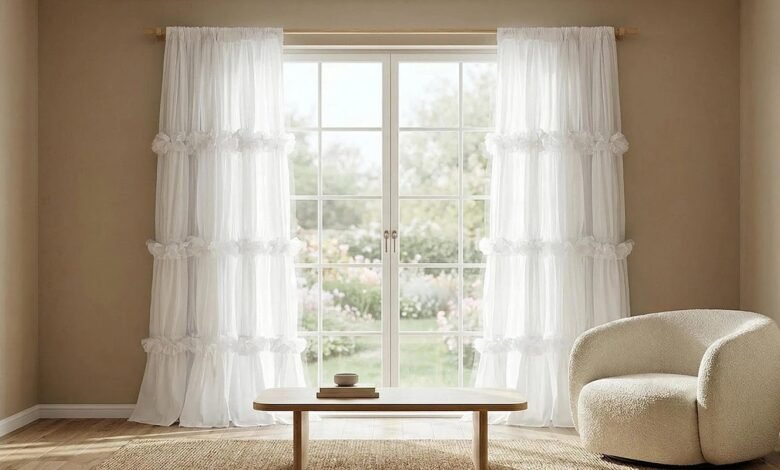
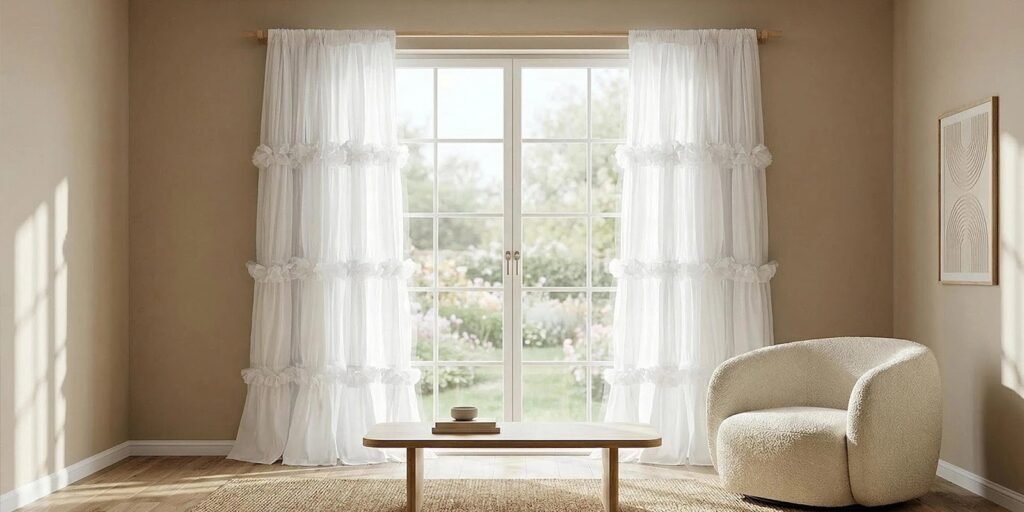
Regular curtains prioritize style and moderate light control over heavy-duty insulation. They come in a wide range of fabrics — cotton, linen, velvet, and sheer blends — allowing homeowners to match virtually any interior aesthetic. Light filtering is their middle ground: they soften harsh sunlight without plunging a room into darkness, making them ideal for living rooms, dining areas, and kitchens where natural light is welcome. Paired with a decorative window valance, regular curtains can elevate a room’s visual appeal while maintaining an airy, open feel. However, they offer minimal thermal insulation compared to blackout options, meaning they’re less effective at managing room temperature. For families, regular curtains work best in shared spaces where ambiance and easy styling matter more than strict light control — areas where you want warmth in atmosphere rather than strict temperature or sleep management.
Energy Efficiency and Thermal Insulation: Which Curtains Win?
The Role of Insulated Curtains in Home Efficiency
Insulated curtains work by creating a buffer zone between the window glass and the room interior — trapping a layer of air that slows heat transfer in both directions. The science is straightforward: windows are among the weakest points in a home’s thermal envelope, responsible for up to 30% of residential heat loss according to the U.S. Department of Energy. Curtains with dense, multi-layered construction address this vulnerability directly. Families living in regions with harsh winters or sweltering summers feel this benefit most acutely — insulated curtains can meaningfully reduce the workload on heating and cooling systems, translating into lower monthly utility bills. In a child’s bedroom, for example, maintaining a stable temperature overnight not only improves sleep quality but also reduces the need to run the heater or air conditioner through the night.
See also: Tailoring Your Space: The Art of Home Customization
Blackout Curtains as Energy Savers
Blackout curtains outperform regular curtains on energy efficiency by a significant margin. Their tightly woven or foam-backed construction doesn’t just block light — it also blocks UV rays that cause indoor temperatures to spike during sunny afternoons. In summer, hanging blackout curtains on south- and west-facing windows can prevent solar heat gain, keeping rooms noticeably cooler without extra air conditioning. In winter, the same dense layers act as insulation, reducing cold drafts that creep in through window frames. For budget-conscious parents, this dual-season performance is a practical advantage. Regular curtains, even heavier fabric varieties, simply lack the structural density to match these results. If reducing utility costs is a priority alongside improving your family’s sleep environment, blackout curtains deliver on both fronts in a way that standard window treatments cannot replicate.
Durability and Maintenance for Family Spaces
Choosing Durable Materials for Long-Lasting Curtains
When children and pets are part of the equation, curtain durability stops being a secondary concern and becomes a primary one. Blackout curtains made with polyester or polyester-blend fabrics tend to outperform natural fiber options in active households — polyester resists tearing, holds its shape after repeated washing, and maintains color vibrancy far longer than cotton or linen alternatives. The foam or woven blackout lining that gives these curtains their light-blocking power also adds a layer of structural reinforcement, making them less prone to fraying at edges or seams. Fade resistance is another factor worth weighing carefully. South-facing rooms receive intense sun exposure year-round, and curtains that fade quickly look worn within a year. Look for fabrics with UV-resistant treatments or tightly woven constructions that hold dye effectively. For families with young children who grab, tug, and occasionally pull curtains entirely off their rods, reinforced header tape and sturdy grommet or pleat construction can prevent premature wear at the hanging points.
Easy-Care Tips for Kitchen Curtains and Beyond
Kitchen curtains face a uniquely demanding environment — grease particles, steam, and cooking odors settle into fabric fibers quickly, making washability a non-negotiable feature. For this space, lightweight machine-washable options in polyester or cotton-polyester blends make the most practical sense. Aim to wash kitchen curtains every four to six weeks to prevent grease buildup from becoming permanent. Blackout curtains in bedrooms typically need washing every two to three months under normal conditions, though homes with pets may require more frequent cycles. Before purchasing any curtain, check the care label carefully — some blackout curtains with foam backing are not machine-washable and require spot cleaning or professional dry cleaning, which adds both time and cost. Where machine washing is possible, use a gentle cycle with cold water to protect backing integrity. For storage between seasons, fold curtains loosely rather than compressing them tightly, which can crack foam-backed linings over time.
Practical Solutions: Selecting the Right Curtains for Your Home
Step 1: Assessing Your Family’s Needs: A Step-by-Step Guide
Before purchasing a single panel, take stock of how each room in your home actually functions day to day. Start by asking four targeted questions: How is this room primarily used — sleep, cooking, socializing, or work? How much natural light do you want filtering in during peak hours? Is temperature management a priority, or is aesthetics the main driver? And realistically, how much time can you dedicate to curtain maintenance each month? A nursery or child’s bedroom almost always benefits from blackout curtains — the sleep quality improvement alone justifies the investment. Living rooms and dining areas, where natural light contributes to atmosphere and mood, are better served by regular curtains. Kitchens demand washability above everything else. Once you’ve answered these questions room by room, you’ll have a clear functional map that makes the final purchasing decision far more straightforward than browsing options without a plan.
Step 2: Combining Curtains for Optimal Function and Style
The smartest approach for most family homes isn’t choosing one curtain type universally — it’s strategically layering and mixing both. In bedrooms, hang blackout curtains as the primary treatment to support restful sleep and manage overnight temperatures. In living rooms and kitchens, pair lightweight regular curtains with a coordinating window valance to add visual structure without sacrificing the airy feel these spaces need. Layering also works well in rooms that serve double purposes: a home office that doubles as a guest room, for example, benefits from sheer regular curtains for daytime work paired with blackout panels that pull closed at night. For color coordination, choose a neutral blackout curtain in bedrooms and echo that tone in the valance or regular curtain panels elsewhere in the home — an approach that brands like Higbedding make easier by offering coordinated home textile collections designed to work together across rooms. This creates visual continuity across rooms while ensuring each space gets the functional window treatment it actually needs.
Choosing the Right Curtains for Every Room in Your Home
Choosing between blackout and regular curtains ultimately comes down to matching the right window treatment to each room’s specific demands. Blackout curtains deliver clear advantages where it matters most for busy families: they block light effectively for better sleep in nurseries and bedrooms, provide meaningful thermal insulation that reduces heating and cooling costs across seasons, and hold up well under the daily wear that active households dish out. Regular curtains, meanwhile, bring versatility and visual warmth to shared spaces like living rooms and kitchens, where natural light and easy styling take priority over strict temperature control.
For most family homes, the smartest approach isn’t an either-or decision — it’s a deliberate mix. Use blackout curtains where sleep quality and energy savings are the priority, and lean on regular curtains with coordinating valances where atmosphere and easy maintenance lead the way. Consider each room’s function, your family’s daily routines, and your realistic maintenance capacity before making any purchase.
The right curtains won’t just improve how your home looks — they’ll make it function better for the people living in it every day. With the guidance in this article, you now have a practical framework to evaluate your options confidently and invest in window treatments that genuinely serve your family’s needs for years to come.