Living in a small apartment with a pet comes with its own set of unique challenges. From navigating tight corners to keeping noise levels considerate of neighbors, urban cat and dog owners constantly adapt their routines to fit compact living spaces. One task that often feels particularly daunting in these environments is grooming — especially when you’re working with limited room, a wriggly pet, and the constant worry of disturbing those on the other side of the wall.
Rechargeable pet clippers have emerged as a genuinely practical solution for apartment dwellers. Their cordless design, quieter motors, and compact form make them far better suited to small spaces than traditional plug-in models. But grooming is just one piece of the puzzle. Keeping a pet comfortable in a small apartment also means thinking carefully about essentials like litter boxes — choosing options that are compact, quiet, and easy to maintain. This guide covers everything you need to know about using rechargeable pet clippers effectively in a small apartment, along with smart litter box choices that complement your space-conscious lifestyle.
Why Rechargeable Pet Clippers are Ideal for Small Apartments
When you’re working with limited square footage, every tool you bring into your home needs to earn its place. Rechargeable pet clippers do exactly that — their design naturally addresses the most pressing constraints of apartment grooming without requiring you to sacrifice quality or convenience.
Space-Saving Advantages of Cordless Design
A traditional plug-in clipper demands proximity to an outlet, which often means awkward positioning in cramped bathrooms or stretching cords across doorways — genuine hazards when a pet is involved. Rechargeable clippers eliminate that entirely. You can groom in any corner, on a balcony, or in a hallway without rearranging furniture to reach a socket. When the session is done, they slip into a drawer or small storage caddy without the tangle of cord management. That simplicity matters more than it sounds when your entire apartment is your grooming studio.
Minimizing Noise with Advanced Motor Technology
Noise is one of the most significant concerns for apartment groomers. Loud clippers can startle pets into sudden movements — a real safety issue when blades are involved — and the vibration can carry through walls in ways that frustrate neighbors. Modern rechargeable clippers increasingly use brushless or low-vibration motors that operate at a noticeably quieter frequency than older corded models. Brands like Meowant have built their pet clipper lines around exactly this principle, prioritizing low-noise operation suited to the realities of shared-wall living. This quieter operation keeps anxious cats and dogs calmer throughout the process, reducing the need for breaks and making the entire experience shorter and more manageable.
Beyond noise and cord freedom, battery life on current rechargeable models is genuinely practical. Most offer enough runtime to complete a full grooming session on a single charge, and many include a charging dock that doubles as compact storage. For apartment owners juggling limited counter space and a pet that needs regular maintenance, rechargeable pet clippers aren’t just convenient — they’re the more sensible choice by design.
A Practical Guide to Grooming Your Pet with Rechargeable Clippers
Grooming a pet in a small apartment isn’t just about having the right clippers — it’s about working smartly within your environment. With a little preparation and the right approach, you can turn even the most modest space into a functional grooming area that keeps both you and your pet at ease.
Setting Up Your Grooming Station in a Small Area
Start by identifying the most practical spot in your apartment — a bathroom with a closed door works well because it naturally contains fur and gives your pet fewer escape routes. Lay down a non-slip rubber mat on the floor or countertop to prevent your pet from sliding, which reduces anxiety and keeps the session safer. Before you begin, gather everything you need: clippers, comb, scissors, treats, and a small towel. Having these within arm’s reach means you won’t need to step away mid-session, which can unsettle a nervous animal. A compact caddy or zippered pouch keeps your tools organized and easy to store afterward without cluttering your limited space.
Techniques for Trimming Without Stress
Start each session by letting your pet sniff and investigate the clippers while they’re switched off. Then turn them on briefly at a distance so your pet adjusts to the sound before any contact is made. Work in short strokes moving in the direction of fur growth, applying gentle, consistent pressure rather than rushing through sections. Keep one hand on your pet at all times — not to restrain, but to reassure. If your pet shows signs of distress, pause and offer a treat before continuing. Breaking the session into two shorter rounds on the same day is far more effective than pushing through a single long one that leaves your pet dreading the next time.
Post-Grooming Cleanup and Clipper Care
Once grooming is done, use a lint roller or damp cloth to collect loose fur from the mat and surrounding surfaces before it spreads further into your apartment. Remove the clipper blade and brush out trapped hair with the small cleaning brush typically included with the device. Apply a drop of clipper oil to the blade before storing — this prevents rust and keeps the motor running smoothly over time. Wipe down the clipper body and return everything to its storage caddy. A quick five-minute cleanup routine after each session keeps both your tools and your apartment in good shape.
Enhancing Pet Comfort with the Right Litter Box Solutions
Grooming is only one dimension of keeping a pet comfortable in a small apartment. For cat owners especially, the litter box situation demands just as much thoughtful planning. The wrong choice can eat into precious floor space, generate disruptive noise, or become a hygiene burden that feels unmanageable in close quarters. Fortunately, the market has evolved significantly, and today’s options address each of these pain points directly.
Selecting a Quiet Litter Box for Peaceful Living
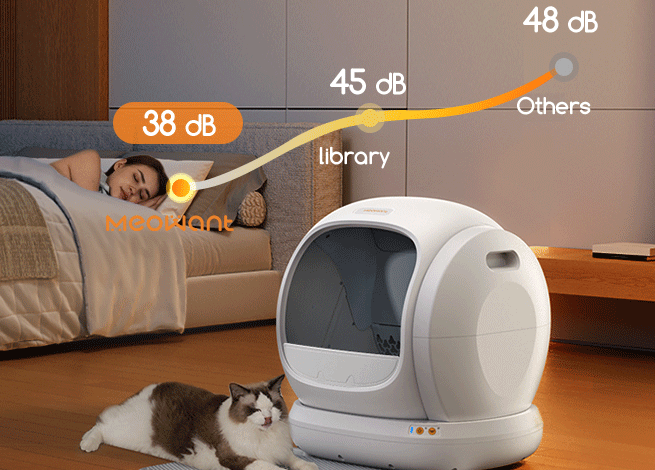
In an apartment where walls are thin and routines overlap, a quiet litter box isn’t a luxury — it’s a practical necessity. Automatic self-cleaning models with mechanical rakes can produce grinding or clicking sounds that echo in small rooms, particularly at night. A better approach for noise-sensitive environments is a covered box made from thick, sound-dampening plastic that muffles the sounds of digging and scratching. Some models feature soft-close lids that eliminate the sharp snap of a hood snapping shut. Look for units with rubber-footed bases that prevent the box from scraping against hard floors when your cat moves around inside. These small design details collectively create a noticeably quieter experience — one your neighbors, and your cat, will appreciate.
Cat Litter Box for Small Spaces: Compact and Functional Designs
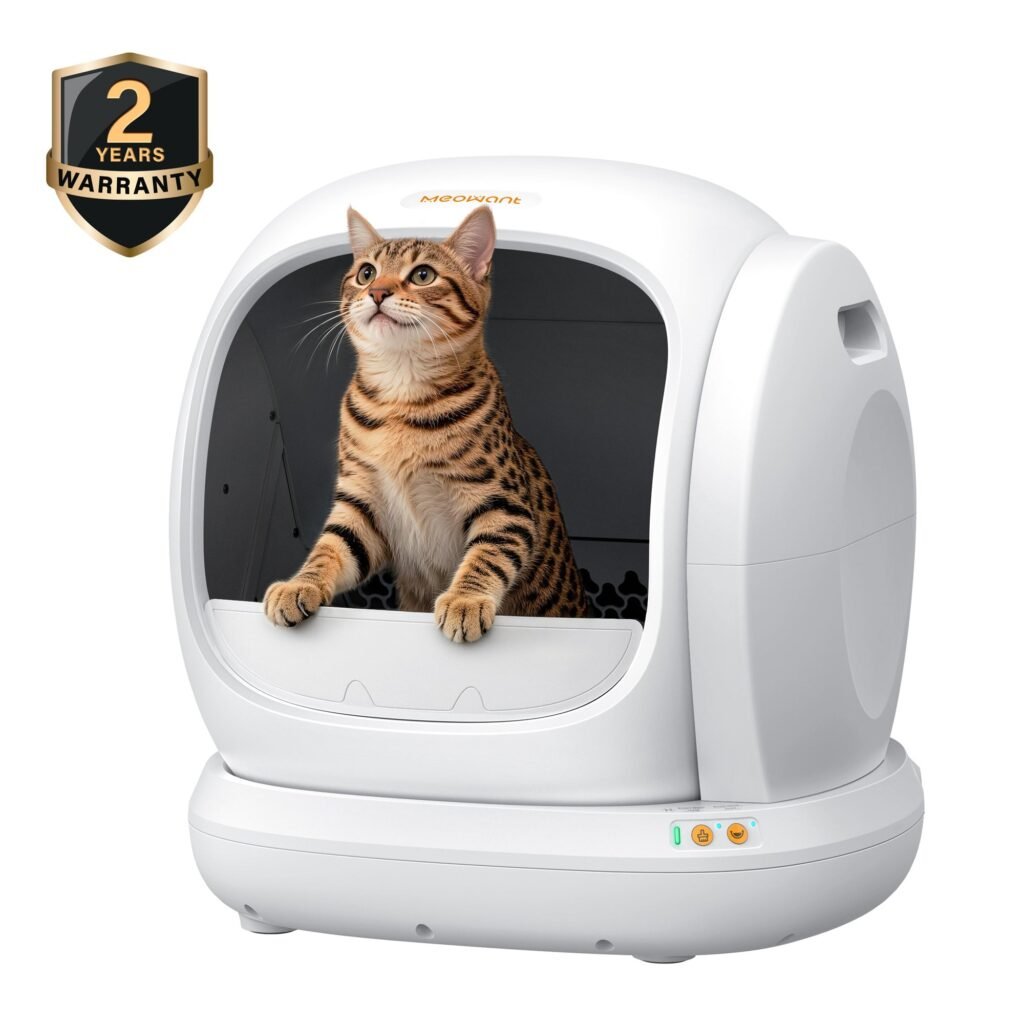
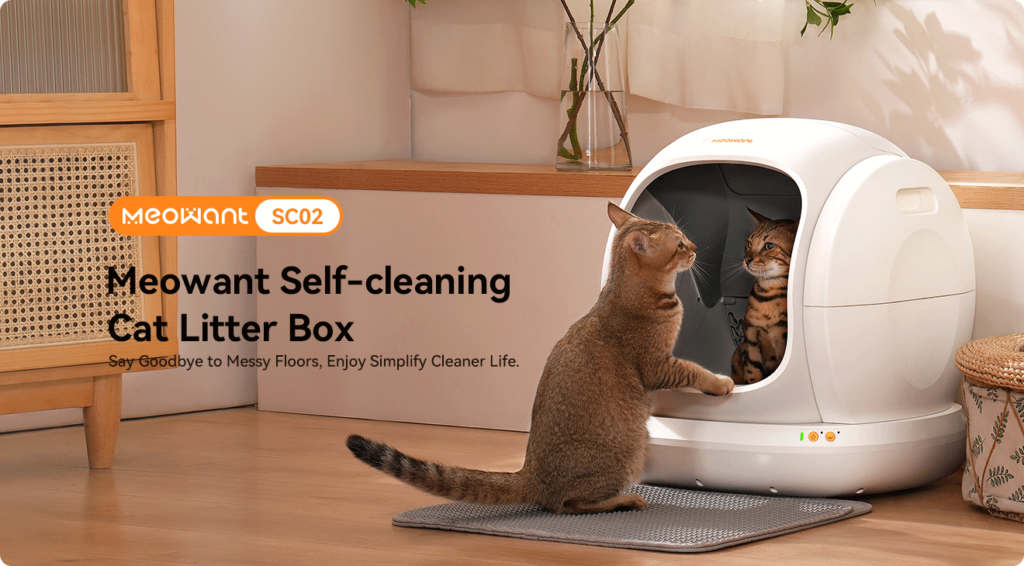
A cat litter box for small spaces needs to work with your floor plan rather than against it. Corner-fitting triangular designs are particularly effective because they occupy dead space that furniture rarely uses, keeping central floor areas clear. Alternatively, furniture-style enclosures — boxes designed to look like side tables or storage ottomans — conceal the litter area entirely while doubling as functional apartment décor. Top-entry designs are another strong option: the opening is on the lid rather than the front, which dramatically reduces litter scatter onto surrounding floors and makes the footprint significantly smaller than traditional front-entry models. Meowant’s enclosed litter box designs, for instance, reflect this space-first thinking, offering a slim profile that tucks neatly against a wall without blocking foot traffic. Whichever style you choose, measure your available space carefully before purchasing and prioritize models with a slim profile that can tuck against a wall without blocking foot traffic.
Benefits of Easy to Clean and Spacious Design Litter Boxes
An easy to clean litter box reduces the time and effort spent on maintenance — a meaningful advantage when your apartment offers no dedicated utility space for the task. Smooth interior walls without ridges or seams prevent litter and waste from clinging, making scooping and wiping far quicker. A spacious design matters too: a box that’s too cramped discourages use and leads to accidents outside the box, creating a larger cleaning problem. Opt for models with removable liners or drawers that pull out for emptying, keeping the process contained and hygienic even in the tightest spaces.
Smart Pet Care Strategies for Small Apartment Living
Caring for a pet in a small apartment is entirely manageable when you have the right tools and strategies in place. Rechargeable pet clippers stand out as a genuinely practical investment for urban owners — their cordless flexibility, quieter motors, and compact storage footprint make them far better suited to apartment grooming than traditional corded alternatives. Paired with a thoughtful setup, calm handling techniques, and a consistent post-session cleanup routine, you can maintain your pet’s coat without the stress that often comes with confined spaces.
Equally important is addressing the everyday comfort of your pet beyond grooming. Choosing a quiet, space-efficient litter box with easy-to-clean features rounds out a pet care approach that respects both your living environment and your animal’s wellbeing. Together, these solutions allow urban pet owners to provide attentive, high-quality care without sacrificing the comfort of their home. Start by assessing your current grooming and litter setup, identify where small upgrades can make the biggest difference, and implement the tips in this guide one step at a time. Your pet — and your neighbors — will notice the improvement.