Gas turbine control systems are the backbone of industrial power generation and mechanical drive applications, governing everything from fuel flow and combustion sequencing to safety shutdowns and emissions compliance. When these systems function properly, operations run smoothly. When they don’t, the consequences range from costly unplanned downtime to serious safety hazards.
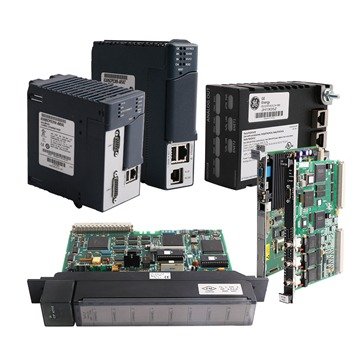
One of the most persistent headaches facing maintenance technicians today is the growing scarcity of original control parts. As manufacturers retire older product lines and push newer platforms, components that were standard just a decade ago are now classified as obsolete. Tracking down a replacement card, module, or interface board can take weeks — time that most facilities simply cannot afford to lose.
This guide is designed to help maintenance technicians navigate that reality. Whether you’re working with surplus control system parts pulled from decommissioned units or hunting through specialized vendors for obsolete components, the following sections walk you through sourcing, compatibility assessment, hands-on repair procedures, and post-repair validation. We also take a closer look at the widely used Mark VIe series and the role of industrial I/O interfaces, giving you practical, field-ready knowledge to keep your gas turbine controls running reliably.
The Critical Role of Gas Turbine Control Parts in Industrial Automation
Gas turbine control parts are the hardware and firmware components that regulate every measurable parameter in a turbine’s operation — fuel delivery, rotor speed, exhaust temperature, inlet guide vane positioning, and emergency shutdown sequencing. In industrial automation environments, these components don’t just optimize performance; they enforce the safety boundaries that protect equipment and personnel from catastrophic failure.
Over time, these parts inevitably become obsolete. Manufacturers follow product lifecycle roadmaps driven by advances in microprocessor technology, communication protocols, and regulatory requirements. A control card designed around 1990s-era logic hardware simply cannot be manufactured indefinitely, and once a product line is retired, OEM support typically ends within a few years. Replacement parts migrate from active inventory to limited availability, then disappear from official channels entirely.
For maintenance technicians, this creates a compounding reliability problem. Aging control hardware is more susceptible to component-level failures — capacitors degrade, connectors corrode, and firmware becomes incompatible with updated peripheral devices. When a critical module fails and no direct replacement exists through standard procurement, unplanned downtime stretches from hours into days. In power generation or continuous process industries, that gap translates directly into lost revenue, contractual penalties, and elevated safety risk across the entire facility.
Navigating the Challenges of Obsolete Control System Parts
Working with obsolete control system parts forces maintenance technicians into a difficult position. The most immediate challenge is scarcity — once a component leaves active production, inventory dries up quickly across both OEM and distributor channels. What remains circulates through the surplus market, where availability is unpredictable and condition varies widely. A technician might locate the exact card needed, only to find it’s been sitting in uncontrolled storage for years, making its reliability questionable at best.
Compatibility compounds the problem. Surplus control system parts sourced from decommissioned units may carry different firmware revisions, hardware stepping levels, or communication protocol versions than what your current system expects. Swapping in a visually identical module without verifying these details can introduce new faults rather than resolving existing ones. Electrical mismatches — particularly in signal voltage ranges or termination requirements — can damage adjacent components that were previously functioning correctly.
Cost is another pressure point. As genuine obsolete parts grow scarcer, prices on the secondary market climb sharply. Technicians must weigh the expense of a surplus component against the cost of extended downtime, often under significant operational pressure. Counterfeit parts also circulate in this space, making vendor vetting a non-negotiable step. Suppliers such as Apter Power have become a reference point in discussions around sourcing hard-to-find industrial components, reflecting how demand for reliable parts channels has expanded well beyond traditional OEM networks. Navigating these challenges successfully requires a disciplined sourcing strategy, rigorous compatibility assessment, and a clear understanding of acceptable risk thresholds for your specific application.
A Step-by-Step Guide to Repairing Gas Turbine Controls with Surplus Parts
Repairing gas turbine controls with surplus parts demands more than simply swapping hardware. Success depends on a disciplined sequence — from locating the right component to confirming the repaired system performs within spec. Skipping steps or cutting corners at any stage introduces risk that can manifest as intermittent faults, safety system failures, or accelerated wear on adjacent components. The following subsections break the process into four manageable phases, giving maintenance technicians a clear framework to follow regardless of which control platform they’re working with.
Identifying and Sourcing Surplus Control System Parts
Start by documenting the exact part number, firmware revision, and hardware revision of the failed component before reaching out to any vendor. Specialized surplus distributors, industrial auction platforms, and decommissioning brokers are the most reliable channels for obsolete control hardware. When evaluating a potential supplier, request documentation of storage conditions, traceability records, and any available test data. Physically inspect incoming parts for corrosion on connector pins, cracked circuit board traces, and signs of prior rework — indicators that a component may fail prematurely even if it initially powers up correctly.
Assessing Compatibility and Safety for Obsolete Parts
Cross-reference the sourced component’s datasheet against your system’s original engineering documentation, paying close attention to supply voltage tolerances, signal ranges, and communication protocol versions. Even minor firmware mismatches can cause handshaking failures between modules. Before installation, verify that the replacement part’s I/O termination requirements match your existing wiring — mismatched impedance or voltage levels can damage functioning downstream components. Consult your facility’s management of change procedure and obtain the appropriate sign-offs before introducing any non-OEM or surplus component into a safety-critical control loop.
Step-by-Step Repair Process for Gas Turbine Controls
Begin with a thorough diagnostic to confirm the failed component rather than assuming the most obvious suspect is the root cause. Use loop checks and signal tracing to isolate the fault to a specific module. Power down the system following your lockout/tagout procedure, then remove the defective component while noting cable routing, termination positions, and any jumper configurations. Install the replacement part with those same settings replicated exactly. A common pitfall is overlooking DIP switch or jumper configurations that differ between hardware revisions — always photograph the original before removal.
Testing and Validation After Repair
Before returning the turbine to service, perform a staged validation sequence. Start with a bench-level power-on check to confirm the replacement module initializes without fault codes. Reconnect it to the control system and run a full I/O checkout, verifying that each input and output responds correctly to simulated signals. Where available, use the system’s built-in diagnostic or simulation mode to exercise control loops without actually driving the turbine. Document all test results and compare them against baseline values from the original commissioning records before authorizing the unit for operational restart.
Essential Resources for Troubleshooting Control System Issues
Even with the right replacement part in hand, effective troubleshooting depends heavily on having access to accurate technical information. The most valuable starting point is the OEM documentation package — system manuals, wiring diagrams, I/O configuration guides, and alarm code references. Many facilities retain physical copies from original commissioning, but digital archives stored on internal engineering servers are often more current and searchable. If your documentation is incomplete, specialized industrial document repositories and OEM legacy support portals sometimes carry archived manuals for discontinued product lines.
Beyond documentation, online communities and professional forums provide practical, experience-based guidance that manuals rarely capture. Platforms frequented by control system engineers often contain threads specifically addressing obsolete hardware failures, firmware quirks, and workaround strategies that field technicians have developed over years of hands-on work. Vendor technical support lines — even for legacy products — can occasionally provide configuration guidance or direct you to authorized repair centers with component-level diagnostic capabilities.
On the tooling side, a reliable set of diagnostic instruments is non-negotiable. A calibrated multimeter, signal injector, and loop calibrator cover most analog troubleshooting scenarios. For serial and network communication faults, a protocol analyzer capable of reading the relevant bus standard — whether Modbus, PROFIBUS, or a proprietary variant — can pinpoint handshaking failures that visual inspection alone will never reveal. Investing in these resources reduces diagnostic time significantly and prevents misdiagnosis that leads to unnecessary part replacement.
Spotlight on Mark VIe Series and Industrial I/O Interfaces
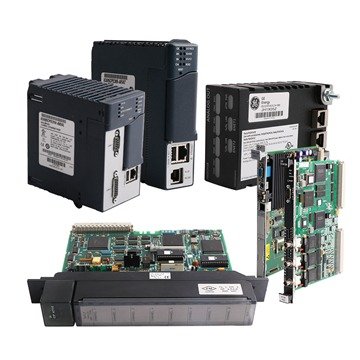
The Mark VIe series, developed by GE, represents one of the most widely deployed distributed control platforms in gas turbine applications worldwide. Its architecture relies on a network of I/O packs, control modules, and communication boards that work in concert to manage turbine sequencing, protection logic, and real-time diagnostics. Because many Mark VIe installations date back to the mid-2000s, certain I/O packs and interface boards are now approaching or past their supported lifecycle, making obsolete parts a practical concern for facilities running this platform.
Industrial I/O interfaces are particularly vulnerable to obsolescence-driven failures. These boards handle the critical translation between field instrumentation — thermocouples, pressure transmitters, proximity probes — and the control processor. When an I/O interface fails, the system loses visibility into the parameters it monitors, often triggering protective shutdowns. Common obsolete components in Mark VIe installations include analog input modules, speed sensing cards, and flame detector interface boards.
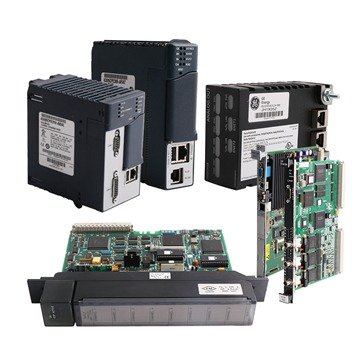
For technicians working on these systems, a few repair tips apply directly. Always verify the I/O pack’s firmware version against the controller’s compatibility matrix before installation — mismatches frequently cause communication dropouts that mimic hardware faults. When sourcing surplus Mark VIe components, prioritize vendors who can provide functional test records. Keeping a documented spare parts inventory specific to your Mark VIe configuration significantly reduces response time when critical I/O interfaces fail unexpectedly.
Keeping Gas Turbine Controls Reliable in the Age of Obsolescence
Repairing gas turbine controls with obsolete parts is rarely straightforward, but it’s entirely manageable with the right approach. The key takeaways from this guide are clear: successful repairs depend on disciplined sourcing from reputable surplus vendors, rigorous compatibility verification before any component goes into service, and a methodical repair sequence that doesn’t skip diagnostic or validation steps. Cutting corners at any stage introduces risk that can compound into larger failures down the line.
For maintenance technicians, the real competitive advantage lies in preparation. Maintaining an up-to-date spare parts inventory specific to your control platform, keeping documentation current, and building relationships with specialized surplus suppliers before a crisis hits will dramatically reduce response time when something fails. Platforms like the Mark VIe series will continue operating in the field long after certain components leave official support channels — knowing how to navigate that reality keeps your facility running and your safety systems intact.
Take a proactive stance: audit your current control system hardware against manufacturer lifecycle announcements, identify components approaching end-of-support status, and begin sourcing critical spares now rather than under pressure. Continuous learning through industry forums, vendor training, and hands-on diagnostic practice will sharpen the skills that keep gas turbine controls reliable for years to come.