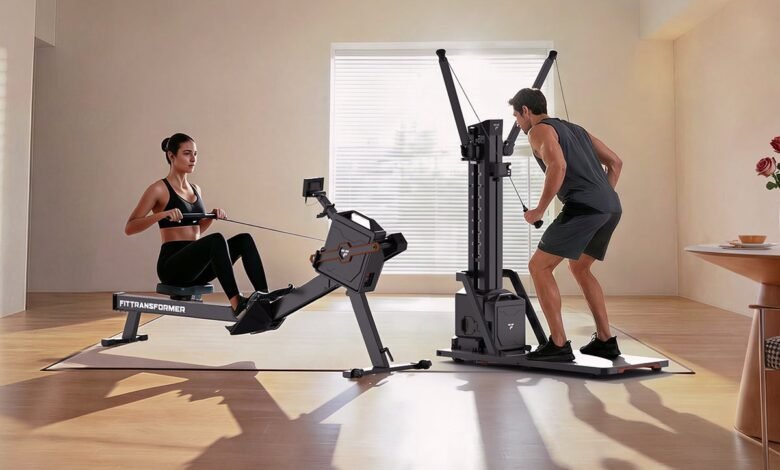
Finding room for a home gym when you’re working with a studio apartment, a spare bedroom, or even just a corner of your living room can feel like solving a puzzle with too many pieces. Yet the home fitness movement has never been stronger — more people are skipping the commute to the gym and investing in personal workout spaces that fit their schedules and their budgets. The catch? Space is often the biggest obstacle standing between a fitness enthusiast and their ideal setup.
The good news is that smart home gym ideas have evolved dramatically. Modular gym frames allow you to build a customized rig that grows with your fitness journey, while foldable design solutions mean your treadmill or bench can practically disappear when the workout is done. Whether you have a dedicated room or just a few square feet to spare, affordable and space-saving fitness equipment exists to meet you exactly where you are.
This article walks you through everything you need to create a functional, efficient home gym in a small space — from assessing your layout and choosing multi-purpose gear, to exploring budget-friendly options and following a practical step-by-step setup guide. Let’s turn that cramped corner into your personal fitness zone.
Embracing Space Efficiency in Your Home Gym
Assessing Your Available Space
Before purchasing a single piece of fitness equipment, grab a tape measure and get precise. Note the length, width, and ceiling height of your intended workout area — ceiling clearance matters more than most people realize, especially if you plan on overhead pressing, jumping rope, or installing a pull-up bar. Walk through your home with fresh eyes and identify underused zones: the gap beside a wardrobe, an awkward hallway alcove, or even a cleared-out closet can become surprisingly functional. Sketch a rough floor plan and mark where natural light and ventilation are strongest, since comfort during workouts directly affects consistency.
Choosing Multi-Purpose Fitness Equipment
Once you know your dimensions, the golden rule for small-space home gyms is simple: every piece of equipment should earn its footprint by doing more than one job. Adjustable dumbbells, for instance, replace an entire rack of fixed weights while occupying the space of a shoebox. Resistance bands with interchangeable handles cover pulling, pushing, and mobility work across dozens of exercises. A sturdy adjustable bench unlocks chest presses, step-ups, incline rows, and core work without demanding extra floor space. Kettlebells follow the same logic — a single moderate-weight kettlebell supports swings, goblet squats, Turkish get-ups, and carries.
Vertical storage is your best ally in a compact setup. Wall-mounted pegboards, slim vertical weight trees, and over-door hooks keep gear off the floor and visually organized. Pairing smart layout planning with deliberately chosen multi-functional fitness equipment transforms even the tightest room into a genuinely capable training environment — one where every square foot is working as hard as you are.
Budget-Friendly Home Gym Solutions for Fitness Enthusiasts
Building a capable home gym doesn’t require a massive budget — it requires spending strategically. The biggest mistake first-time buyers make is purchasing too much at once, ending up with redundant fitness equipment that crowds the space without adding real training value. Start by identifying the three or four movement patterns central to your goals (pushing, pulling, hinging, carrying) and buy only what covers those bases. Filling gaps later is far easier than dealing with buyer’s remorse on expensive gear you rarely use.
Affordable Equipment Picks and Tips
A few well-chosen, low-cost items can anchor an entire training program. A single kettlebell, a jump rope, a yoga mat, and a set of resistance bands with interchangeable handles collectively cost less than a single month at most commercial gyms — yet they support strength, conditioning, mobility, and recovery work. When shopping, use price-tracking browser extensions to catch deals on fitness equipment before they expire, and check retailer clearance sections during January and post-summer sales cycles when fitness gear typically drops in price. Brands like FitTransformer often list accessory bundles and starter kits during these windows, making it easier to cover multiple movement patterns without overspending. Comparing listings across multiple platforms before committing to any purchase can save a meaningful amount over time.
DIY and Second-Hand Options
Some of the most effective gym additions cost almost nothing to make. A heavy-duty duffel bag filled with sand and sealed tightly becomes a functional sandbag for carries, cleans, and squats. PVC pipes and concrete can be formed into basic landmine anchors. For second-hand purchases, local Facebook Marketplace and Craigslist listings frequently feature barely-used treadmills, benches, and weight sets — often from people who bought equipment impulsively and never committed to using it. When buying used gear, inspect welds and moving parts in person, test folding mechanisms if applicable, and avoid anything showing rust on structural components. Prioritizing safety over the lowest possible price protects both your body and your long-term investment in home fitness.
The Role of Modular Gym Frames in Customization
When square footage is limited, every piece of equipment needs to justify its presence — and modular gym frames do this better than almost anything else. Unlike traditional fixed machines that serve one purpose and anchor permanently to a single spot, modular gym frames are built around interchangeable components that connect, reconfigure, and expand based on your changing needs. The core structure typically consists of steel uprights and crossbars that accept a rotating cast of attachments, turning a compact footprint into a genuinely versatile training station.
Advantages of Modular Systems
The real strength of a modular system lies in its flexibility. On Monday you might configure it as a squat rack; by Wednesday, swapping in a pull-up bar and dip attachment shifts the entire station toward upper-body work. Most systems allow you to add cable pulley setups, landmine sleeves, and band pegs without requiring extra floor space. Disassembly is equally straightforward — many frames break down into manageable sections that lean flat against a wall or slide into a closet, making them genuinely practical for spaces that serve double duty as living areas.
Selecting the Right Modular Frame
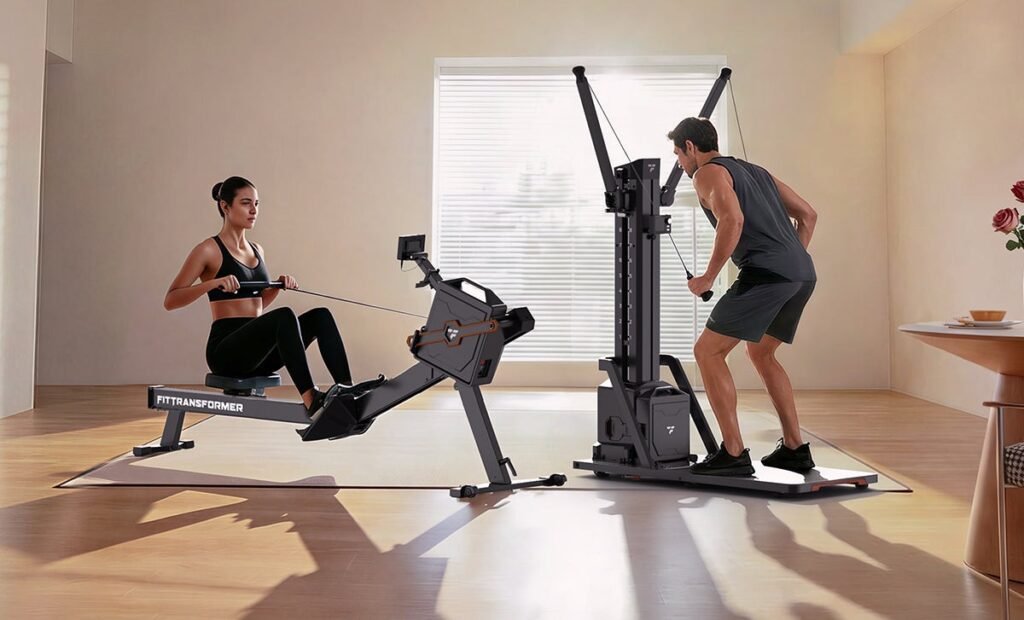
Choosing the right frame starts with matching the system’s assembled dimensions to your measured floor plan — confirm both footprint and height clearance before ordering. Steel frames generally outperform aluminum in load capacity and long-term durability, making them the better choice for anyone planning to lift heavy or add multiple attachments over time. Prioritize systems from manufacturers that offer an expanding accessory ecosystem — FitTransformer, for example, designs its modular frames around a growing library of compatible attachments — so your initial purchase grows with your fitness goals rather than becoming obsolete when your training evolves.
Maximizing Flexibility with Foldable Design
A foldable design isn’t just a convenience feature — in a small home gym, it’s often the difference between a space that functions and one that frustrates. Foldable fitness equipment solves the core tension of compact living: you need room to train, but you also need that same room to serve other purposes once the workout ends. When a treadmill folds vertically against the wall or a bench collapses flat in seconds, your gym effectively disappears on demand, freeing the floor for everyday life without sacrificing your training setup.
Types of Foldable Fitness Equipment
Foldable workout benches are among the most practical investments for small spaces — they support pressing, rowing, and core exercises, then fold to a fraction of their working size for storage under a bed or behind a door. Compact foldable treadmills offer a similar trade-off: they provide a genuine cardio solution but require careful consideration of motor noise and deck length before buying, since slimmer models sometimes compromise stride comfort. Collapsible weight racks and folding squat stands occupy surprisingly little wall space when stored upright, making them worth considering if you’re building around barbell work. The main limitation across all foldable gear is that folding mechanisms add mechanical complexity — more moving parts means more potential failure points over time.
Best Practices for Using Foldable Gear
Designate a specific storage position for each piece of foldable equipment before it arrives, so the habit of folding and storing becomes automatic rather than an afterthought. Under-bed storage works well for flat-folding benches and rolled mats; wall hooks and vertical floor space suit treadmills and racks. Maintenance matters more with foldable gear than with fixed equipment — inspect hinge points and locking pins monthly, apply manufacturer-recommended lubricant to pivot joints, and tighten any bolts that loosen through repeated folding cycles. Before every session, perform a quick safety check by testing the locking mechanism under light pressure before loading the equipment with your full body weight.
Step-by-Step Guide to Building Your Home Gym
Having the right ideas is one thing — executing them in a logical sequence is what actually gets equipment on the floor and workouts happening. Building a small-space home gym works best when approached in distinct phases, each one setting up the next. Rushing straight to purchasing without planning first is how people end up with a treadmill that blocks the door or a rack that won’t clear the ceiling fan.
Phase 1: Planning and Measurement
Start by writing down your primary fitness goals in concrete terms — fat loss, strength building, mobility, or general conditioning — because your goals directly determine which equipment earns floor space. Measure your room’s length, width, and ceiling height, then transfer those dimensions onto a simple grid sketch, even a hand-drawn one works fine. Mark doorways, windows, and electrical outlets on the sketch, since ventilation access and equipment power requirements both affect placement. Once you have a clear picture of the space, rank your equipment priorities by impact per square foot, putting multi-functional items like adjustable dumbbells or a modular frame at the top and single-purpose gear at the bottom.
Phase 2: Sourcing and Purchasing Equipment
With a floor plan and priority list in hand, research equipment across at least three sources before committing — manufacturer websites, major online retailers, and local second-hand marketplaces each offer different price points and availability. When comparing modular gym frames against foldable standalone options, measure both the assembled footprint and the stored footprint, since a frame that folds flat against a wall may reclaim more usable daily space than a rigid compact unit. Set a firm total budget before browsing, allocate roughly sixty percent to your anchor piece (the frame, bench, or cardio unit), and reserve the remainder for accessories and future additions. Sign up for retailer email lists to catch flash sales, and check clearance sections on fitness equipment sites during post-holiday and end-of-summer periods when inventory turns over.
Phase 3: Setup, Maintenance, and Upgrades
When equipment arrives, assemble it according to manufacturer instructions before placing it in its final position — assembling in open space first is far easier than maneuvering components in a tight corner. Lay down rubber flooring tiles before positioning anything heavy, since they protect both the floor and the equipment while reducing noise during training. Once everything is in place, create a simple monthly maintenance checklist: tighten bolts on all joints, inspect folding mechanisms and locking pins, lubricate moving parts as specified in each product’s manual, and check cable attachments for fraying if your setup includes pulley systems. For future upgrades, modular gym frames make expansion straightforward — add a cable attachment or dip station when your training demands it rather than buying everything upfront. Treating your gym as a system that evolves with your fitness keeps both the space and your motivation working efficiently over the long term.
Building Smart: Small Space, Real Results
Building a home gym in a small space isn’t about compromise — it’s about making smarter choices with the room you have. Throughout this article, we’ve covered the essentials: assessing your space before buying anything, selecting multi-purpose fitness equipment that earns every inch of floor space, and keeping costs in check through strategic purchasing, DIY solutions, and second-hand finds. We’ve explored how modular gym frames bring genuine versatility to compact setups, allowing your training station to evolve alongside your fitness goals without demanding more square footage. Foldable design solutions take that flexibility further, letting your gym vanish when life needs the space back.
The step-by-step guide ties it all together — plan deliberately, source wisely, assemble safely, and maintain consistently. None of these steps require a large budget or a dedicated room. What they do require is a willingness to start with what you have and build intentionally from there.
Your fitness journey doesn’t need to wait for a bigger apartment or a better budget. With the right home gym ideas in place, even the most modest corner can become a space where real progress happens — one session at a time. Start with phase one today, and let the setup grow with you.