You’re standing in the cookware aisle—or scrolling through endless online listings—staring at dozens of pans that all claim to be the best. Sound familiar? If you’ve ever felt paralyzed by choice when shopping for kitchen tools, you’re not alone. For first-time buyers, selecting a stir-frying pan (commonly known as a wok) can feel surprisingly daunting. It’s one of the most versatile pieces of cookware you’ll ever own, capable of handling everything from quick weeknight vegetables to deep-frying and steaming. Yet the questions pile up fast: How much should I spend? Will a cheap one fall apart? What if I pick the wrong material? The uncertainty is real, especially when you’re working within a budget and want something that actually lasts. This guide is designed to cut through the confusion. We’ll walk you through everything you need to know—from materials and sizing to smart shopping strategies—so you can make your first wok purchase with genuine confidence and without breaking the bank.
Understanding Your First Stir-Frying Pan: A Beginner’s Primer
A wok is a round-bottomed cooking vessel that originated in China over 2,000 years ago, designed to concentrate heat at the base while allowing food to move freely along its sloped sides. This simple yet ingenious shape makes it far more than a stir-frying tool—it excels at deep-frying, steaming, braising, smoking, and even making soups. The curved walls create multiple heat zones in a single pan, giving you precise control over how ingredients cook.
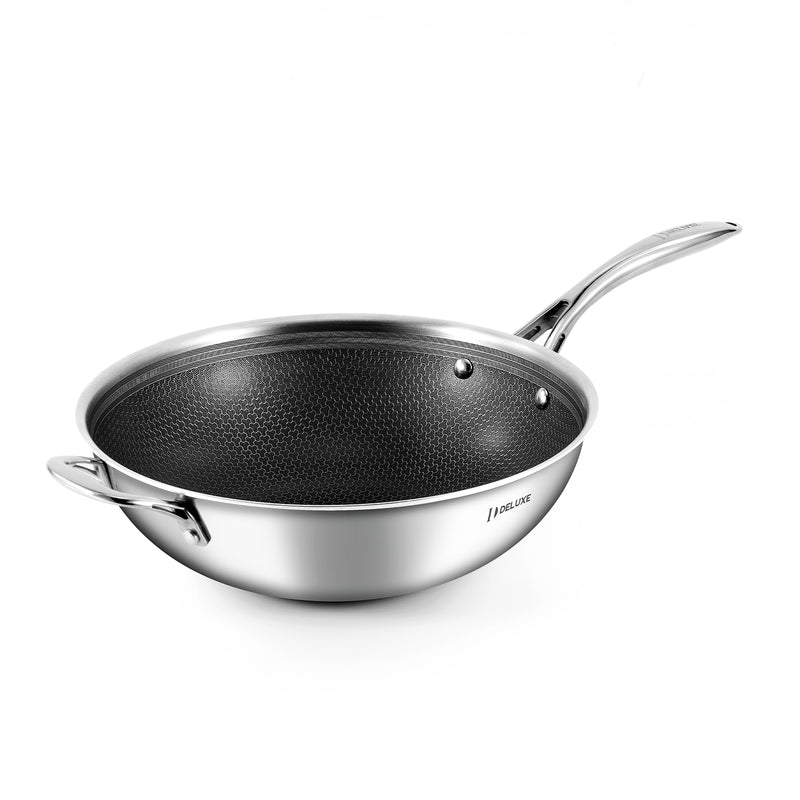
When it comes to materials, you’ll encounter three main options: carbon steel, which heats quickly and is lightweight; cast iron, which retains heat beautifully but weighs considerably more; and non-stick coated versions, which offer easy cleanup at the expense of high-heat performance. Shape matters too. Round-bottom woks work best on gas stoves where flames can wrap around the base, while flat-bottom versions sit stable on electric, induction, and ceramic cooktops. Standard sizes range from 12 to 14 inches in diameter, with 14 inches being the most popular for home cooking.
A common misconception among first-time buyers is that you need an expensive wok to get good results. In reality, professional cooks across Asia often prefer simple, uncoated carbon steel woks that cost a fraction of premium cookware. Another myth is that woks only work for Asian cuisine—once you own one, you’ll find yourself reaching for it to sear steaks, toss pasta, and pop popcorn.
The Essentials of Wok Purchase: What to Look For
Making a smart wok purchase starts with understanding the handful of factors that truly matter. First, consider the material—this single choice affects how your wok heats, how long it lasts, and how much maintenance it requires. Next, think about size. A 14-inch wok suits most households of two to four people, providing enough room to toss ingredients without overcrowding. If you’re cooking for one or have limited storage, a 12-inch version works well. For larger families, consider going up to 16 inches, though keep in mind that bigger woks need more powerful burners to heat effectively.
Your stove type directly influences which shape you should buy. Gas stove users benefit from round-bottom woks that sit in a wok ring, allowing flames to envelop the pan for maximum heat. Electric, ceramic, or induction cooktop owners need a flat-bottom wok with at least a 4-inch flat surface for stable, even contact with the heating element. Handle design is another practical consideration that beginners often overlook. A long wooden or heat-resistant handle gives you leverage for tossing food one-handed, while a loop helper handle on the opposite side provides stability when lifting a full, heavy wok. Avoid all-metal handles without grips unless you want to keep oven mitts permanently nearby.
Material Deep Dive: From Carbon Steel to Non-Stick
Carbon steel is the gold standard for most home cooks making their first wok purchase. It’s affordable, lightweight enough to maneuver with one hand, and develops a natural non-stick patina over time through seasoning. The trade-off is that it requires some care—you’ll need to dry it immediately after washing and occasionally re-season it with a thin layer of oil to prevent rust. Cast iron woks offer superior heat retention, making them excellent for deep-frying and dishes that need sustained high temperatures. However, they’re significantly heavier, often weighing twice as much as carbon steel equivalents, which makes the tossing motion difficult for many people. Non-stick coated woks appeal to beginners because they require virtually no maintenance and nothing sticks during cooking. The downside is that most non-stick coatings degrade at the extreme temperatures that stir-frying demands, limiting the wok’s lifespan and preventing you from achieving the smoky “wok hei” flavor that makes stir-fried food exceptional. For longevity, carbon steel wins—treat it well, and it will outlast every non-stick pan you’ll ever own.
How to Shop Cookware with Confidence for Your Wok
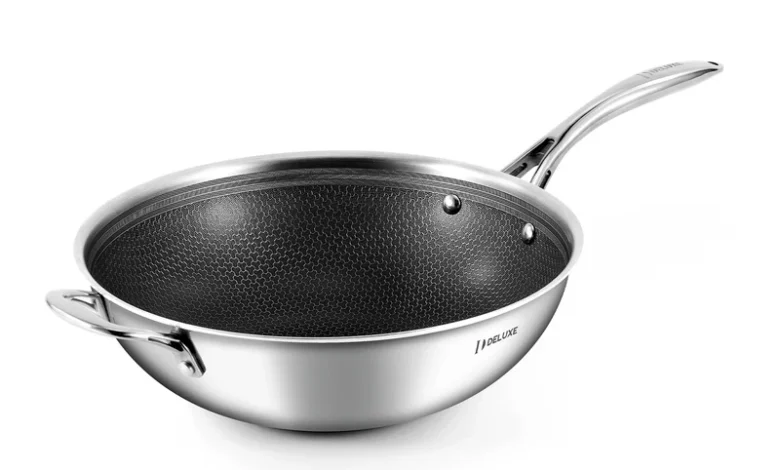
Shopping for cookware confidently means doing your homework before you ever add something to your cart. Start by identifying brands with established reputations in the wok space—companies like Deluxe Cookware and other specialists that focus on Asian cookware or have decades of manufacturing experience tend to produce more reliable products than generic kitchen brands trying to cover every category. Read reviews strategically: focus on feedback from people who’ve used the wok for at least several months rather than initial impressions. Look for comments about warping, handle loosening, and how the cooking surface holds up over time, since these issues rarely appear on day one.
When examining product specifications, pay attention to gauge thickness. For carbon steel woks, a thickness between 1.5mm and 2mm strikes the ideal balance—thin enough to heat responsively but thick enough to resist warping under high temperatures. Anything below 1.2mm will likely develop hot spots and bend. If you’re looking at non-stick options, check whether the coating is PFOA-free and rated for temperatures above 450°F. Product descriptions that lack specific measurements or material details are a red flag; reputable manufacturers are transparent about construction because they have nothing to hide.
Beyond the product itself, the retailer you choose matters enormously for first-time buyers who want to shop cookware without anxiety. Established sellers with clear contact information, responsive customer service channels, and straightforward policies signal trustworthiness. Before purchasing, verify that the seller offers a reasonable return window and read the fine print on warranty coverage—some manufacturers guarantee against defects for years, while others offer nothing beyond thirty days.
Evaluating Return Policies and Customer Support
Before committing to a purchase, take five minutes to investigate the return policy details that could save you frustration later. Check the return window length—ideally, you want at least 30 days to actually cook with the wok and evaluate its performance under real conditions. Some retailers impose restocking fees of 15-20% on opened cookware, effectively penalizing you for testing what you bought, so confirm whether opened items qualify for full refunds. Warranty coverage varies dramatically: some brands cover manufacturing defects like handle detachment or warping for a year or more, while budget options may offer no warranty whatsoever. Ask these specific questions before buying: Does the warranty cover warping from normal high-heat use? Can I return the wok if the non-stick coating deteriorates within the first few months? Is customer support reachable by phone or only through slow email channels? A seller willing to answer these questions directly—without deflecting or burying information in FAQ pages—demonstrates the kind of confidence in their product that should give you confidence as a buyer.
Finding Affordable Woks: Smart Budgeting Strategies
Here’s the truth that surprises most first-time buyers: you don’t need to spend a lot to get a wok that performs beautifully. Carbon steel woks from reputable manufacturers often fall in a very accessible range, and these are the same style of pan used in professional restaurant kitchens worldwide. The key is knowing where to look and when to buy.
Online marketplaces offer the widest selection and make price comparison effortless, but don’t overlook local Asian grocery stores and restaurant supply shops. These retailers frequently stock professional-grade carbon steel woks at lower prices than mainstream kitchen stores because they skip the fancy packaging and marketing markup. Restaurant supply stores in particular sell durable, no-frills cookware designed to survive commercial kitchen abuse—exactly the kind of longevity you want at home. For timing your purchase, major shopping events like Black Friday, Prime Day, and end-of-season kitchen sales can knock significant percentages off already reasonable prices. Sign up for email alerts from cookware retailers you trust, and consider checking clearance sections where previous-year models often sit at deep discounts despite being functionally identical to newer versions.
Top Picks for Budget-Conscious Buyers
When shopping on a budget, focus on brands that have built their reputation specifically around woks and Asian cookware rather than companies that produce every type of pan imaginable. Established Asian cookware brands consistently deliver carbon steel woks with proper gauge thickness, well-attached handles, and flat-bottom options for modern stovetops—all without premium pricing. In the most affordable tier, you’ll find basic carbon steel woks from restaurant supply brands that are workhorses despite their modest cost. These typically come unseasoned, requiring initial preparation at home, but that’s actually an advantage because you control the seasoning process from the start. Mid-range options from manufacturers like Deluxe Cookware add features like helper handles, pre-seasoned surfaces, or slightly thicker construction for better heat distribution. The value proposition here is excellent—you gain convenience and refinement without approaching luxury pricing. Avoid the temptation to buy the cheapest option available with no brand identification. These mystery woks often use substandard steel that warps after a few high-heat sessions, meaning you’ll spend more replacing them than you would have spent buying a reliable option initially.
Step-by-Step Guide to Your First Wok Purchase Decision
Now that you understand materials, sizing, and shopping strategies, here’s how to pull it all together into a confident buying decision. Start with Step 1: assess your cooking habits and kitchen setup. Think about what you cook most often, how many people you typically feed, and critically, what type of stove you have—this alone narrows your options significantly. Step 2 involves setting a realistic budget based on your research. Knowing that quality carbon steel woks exist at accessible price points means you can set a reasonable ceiling without feeling like you’re compromising on performance.
Step 3 is where comparison happens. Create a simple checklist covering material, size, handle style, gauge thickness, and user reviews from long-term owners. Line up your top two or three options side by side and see which checks the most boxes for your specific situation. Step 4: make the purchase from a reputable seller whose return policy you’ve already verified. Buying from a trustworthy source removes the anxiety of being stuck with a disappointing product. Finally, Step 5 begins after your wok arrives—season it properly by washing off any factory coating, heating it over high heat until it changes color, and applying thin layers of high-smoke-point oil. This initial investment of twenty minutes creates the foundation for years of non-stick cooking performance and ensures your new wok starts its life in your kitchen on the right foot.
Make Your First Wok Purchase with Confidence
Finding your first stir-frying pan doesn’t have to be an overwhelming experience. The right wok comes down to a few clear decisions: choosing a material that matches your cooking style and maintenance willingness, selecting the correct size and shape for your stove and household, and buying from a seller whose policies protect you if something isn’t right. Carbon steel remains the best starting point for most beginners—it’s affordable, performs at professional levels, and rewards you with better cooking the longer you use it. Research is your greatest ally in this process. Spending even thirty minutes comparing options, reading long-term user reviews, and verifying return policies transforms an anxious purchase into an informed one. You now know what to look for, where to find deals, and how to evaluate whether a wok deserves your money. The steps are simple, the investment is modest, and the payoff—years of versatile, high-heat cooking from a single pan—is enormous. So take what you’ve learned here, set your budget, and make that first purchase with the confidence of someone who knows exactly what they want. Your kitchen is about to get a serious upgrade.