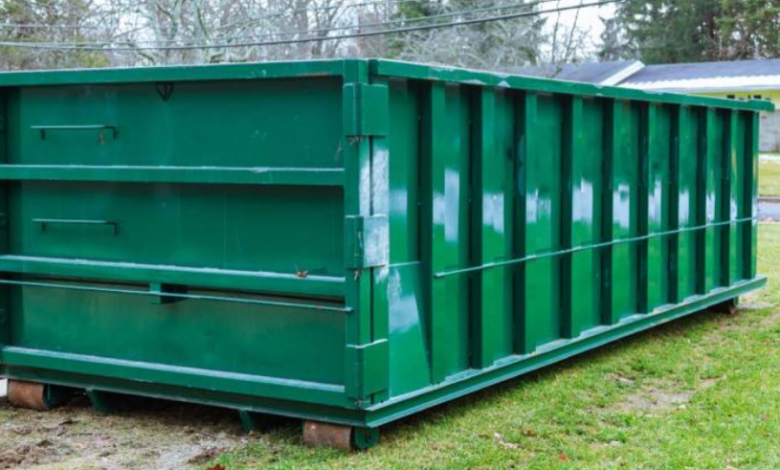
Accurately estimating roll off container costs is an important part of budgeting for any construction project. Waste management expenses can appear modest at first glance but escalate quickly if weight limits are exceeded, rental periods run long, or disposal fees are higher than expected. Understanding how providers price containers and what variables affect final invoices helps project managers avoid surprises and keep site costs under control.
Factors That Drive Cost
Several key factors determine the price of a roll off container rental. Container size, measured in cubic yards, is often the most visible component. Small projects may need a 10-yard container, while large demolition jobs commonly require 30- or 40-yard units. The type of material being discarded matters because different waste streams carry different disposal fees; inert materials like brick and concrete may be cheaper to process than mixed demolition waste or hazardous materials. Weight is a central driver: many companies include a weight allowance and charge per ton for anything over that limit. Distance to the disposal facility influences transportation time and fuel costs, and local market dynamics, such as landfill tipping fees and competition among haulers, can change how vendors set rates. Seasonal demand, special handling requirements, and local regulations also add variability.
Sizing and Duration Impact
Choosing the right size container for the anticipated volume of waste is both art and science. Overestimating size wastes money on unneeded capacity, while underestimating leads to additional pickups or overweight charges. A good rule of thumb is to convert planned demolition or construction debris into a rough cubic yard estimate, then add a buffer for unexpected material. Rental duration affects cost; standard quotes typically cover a seven-day rental period, with additional days billed at a daily or flat extension rate. For projects with predictable timelines, consolidating waste removal into fewer pickups often lowers per-container costs because it reduces mobilization and administrative fees.
Permits, Access, and Hidden Fees
Hidden fees can erode a seemingly competitive quote. Street or curbside permits may be required when a container occupies a public right-of-way; fees vary from token amounts to more substantial municipal charges. Providers sometimes add fuel surcharges, environmental fees, administration fees, and disposal surcharges tied to landfill rates. Access limitations on a job site can require a smaller or differently positioned unit, or even a crane or special equipment to place the container, which increases labor and equipment charges. If the load contains prohibited items such as asbestos, contaminated soil, or regulated chemicals, the hauler may refuse service or apply hefty handling fees. Reviewing the rental agreement carefully for per-ton allowances, overtime rates, and prohibited items prevents unwelcome invoice line items.
How to Build a Reliable Estimate
Start by calculating the anticipated volume of waste and match it to common container sizes. Convert material types to expected weights; for example, wood is lighter than concrete for the same volume. Obtain quotes that separate base rental, delivery and pickup, and disposal fees, and ask for the base weight allowance and per-ton overage rate. When comparing vendors, ensure quotes cover the same rental period and service inclusions. Factor in permit costs and any municipal requirements for placement. Add a contingency line—typically 10 to 20 percent—to accommodate unforeseen disposal complexities or schedule shifts. For larger projects, estimate the number of containers needed over the life of the job rather than per phase; bulk contracts with predictable volumes often enable negotiating lower per-container rates.
Negotiation and Cost-Control Strategies
There are several practical approaches to reduce overall waste management spend. Segregating materials on site can lower disposal fees because many facilities charge less for clean, recyclable streams. Establishing a dedicated area for metal, cardboard, and clean wood allows you to divert recyclable material away from mixed waste containers. Consolidating loads and planning pickups around site milestones minimizes multiple mobilizations. When possible, negotiate weight-inclusive packages for ongoing projects or volume discounts if you commit to multiple containers over time. Requesting quotes from several reputable haulers in your region provides leverage and reveals market rates. Finally, training site crews to avoid contamination in recyclable streams and to compact lighter materials can reduce the number of containers needed.
See Also: Enhancing Guest Connectivity in Hotels and Resorts
Choosing a Vendor and Reviewing Contracts
Selecting a vendor with transparent pricing and a clear service agreement is as important as the quoted rate. Prefer vendors who provide written estimates breaking down delivery, rental, weight limits, and disposal fees. Confirm their landfill partnerships and whether they recycle or divert materials, which can affect both cost and sustainability metrics for your project. Review contract terms for cancellation policies, extension fees, and liability for damage caused during placement. For projects in urban settings, ask about experience obtaining permits and working with local enforcement to avoid fines and delays.
Final Considerations for Accurate Budgeting
Estimating roll off container costs effectively requires a blend of site assessment, knowledge of local disposal economics, and detailed vendor comparisons. Keeping an eye on weight more than volume, anticipating permit needs, and planning waste management as a project task rather than an afterthought will produce more predictable costs. When preparing project budgets, include a line item for waste management that reflects both direct container rental and likely ancillary charges. With careful planning and a disciplined approach to segregation and scheduling, construction teams can control this predictable portion of their expenditure and reduce surprises on final invoices. Thoughtful estimation contributes not only to a cleaner job site but also to a healthier bottom line and smoother project execution.
In many markets, a quick vendor search will show competitive options for various project sizes, but the most economical choice is the one that fits your material profile, timeline, and access constraints while offering transparent terms. To evaluate price proposals efficiently, create a simple comparison template that lists the base rent, delivery/pickup, weight allowance, per-ton overage, and any municipal permit or environmental fees. That method helps reveal which offers are genuinely comparable and which come with embedded costs that could inflate the final bill, ensuring you pick a solution that keeps your construction budget on track and your site operating smoothly. Local differences matter, so always verify current regional rates for things like dumpster rental prices before finalizing the contract.