Fashion eyewear has never been static. From the oversized frames of the seventies to the minimalist wire designs that dominated the early 2000s, glasses have always reflected the cultural mood of their moment. Now, a new contender is emerging on the style horizon—blue glasses. But is this vibrant hue merely a passing fascination, or does it signal a genuine shift in how we think about eyewear as a fashion statement? Blue glasses sit at a fascinating intersection of bold self-expression and everyday practicality, offering wearers something that feels fresh without veering into the unwearable. For fashion-conscious individuals who want their accessories to do more than blend in, blue frames present an intriguing proposition: eyewear that commands attention while remaining versatile enough for daily life. In the pages ahead, we’ll explore how blue glasses rose to prominence, examine the range of styles available, unpack their functional benefits, and offer concrete guidance on making them work within a modern wardrobe.
The Chromatic Revolution: Blue Glasses Take Center Stage
For decades, eyewear lived within a narrow color palette—black, tortoiseshell, gold, silver. These were safe choices, invisible in their ubiquity. But something shifted around 2022 when designers began flooding runways with saturated color, and eyewear followed suit. Blue frames appeared at Gucci’s spring collections, perched on models at Jacquemus shows, and soon migrated from editorial spreads to street style. Celebrities like Timothée Chalamet and Zendaya were spotted in cobalt and cerulean frames, lending the trend immediate cultural credibility. This chromatic revolution in fashion eyewear isn’t random—it responds to a collective craving for individuality after years of pandemic-era minimalism. People want to be seen again, and colored frames accomplish that without requiring a complete wardrobe overhaul. Blue, specifically, occupies a unique position among bold colors. Unlike red, which demands confrontation, or green, which can feel eccentric, blue carries an inherent sophistication. It reads as intentional rather than loud, creative rather than chaotic. This balance between visibility and restraint is precisely what makes blue glasses feel less like a novelty and more like a genuine evolution in how we approach eyewear.
Why Blue? The Psychology Behind the Hue
Color psychology offers compelling reasons for blue’s dominance in this shift. Universally, blue evokes trust, stability, and intellectual depth—qualities most people want projected in both personal and professional contexts. In Western cultures, it suggests reliability; in Eastern traditions, it often symbolizes immortality and advancement. This cross-cultural resonance gives blue glasses a passport that more polarizing colors simply don’t possess. From a practical styling perspective, blue functions almost like a neutral with personality. A navy frame grounds an outfit the way charcoal would, but with added dimension. A lighter sky blue introduces playfulness without overwhelming facial features. This spectrum within a single color family means wearers can calibrate exactly how much statement they want to make on any given day. The hue also flatters a remarkably wide range of skin tones—deeper blues complement warm undertones beautifully, while icy blues illuminate cooler complexions. For those seeking glasses that complement contemporary fashion trends by introducing a pop of color, blue delivers precisely the right voltage: noticeable enough to register as a deliberate style choice, restrained enough to avoid clashing with the rest of an outfit.
Exploring Blue Frame Glasses: Styles and Variations
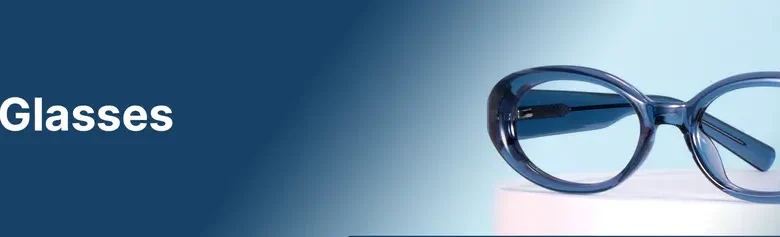
The world of blue frame glasses extends far beyond a single shade or silhouette. At the darker end of the spectrum, navy and midnight blue frames carry the weight of traditional eyewear while introducing just enough chromatic interest to feel contemporary. These deeper tones work beautifully in acetate—a material that allows for rich color saturation and subtle translucency, giving frames visual depth that solid black simply cannot achieve. Moving toward the middle range, cobalt and royal blue frames make a more definitive statement, particularly in chunky wayfarers or geometric shapes that embrace the frame as a focal point. At the lighter end, sky blue and powder blue options feel almost ethereal, especially when rendered in thin metal or titanium constructions that keep the overall look delicate. Turquoise and teal introduce green undertones that bridge the gap between cool and warm palettes, making them particularly versatile across seasons. Frame types matter as much as shade selection. Classic aviators in brushed blue metal offer a retro-modern hybrid that works equally well with tailored blazers and weekend denim. Cat-eye shapes in deep sapphire acetate channel vintage glamour with a contemporary twist. Round frames in translucent cerulean evoke artistic sensibility without trying too hard. Even rimless and semi-rimless designs have embraced the trend, incorporating blue temple arms that add color in a restrained, almost secretive way. This breadth of options means blue glasses aren’t a one-note trend—they’re an entire vocabulary of personal expression.
The Modern Blue Collection: Curating Your Look
Leading eyewear brands have responded to demand by developing dedicated blue collections that range from understated to avant-garde. Retailers like EFE Glasses have expanded their blue frame offerings to include gradient effects, where frames transition from deep navy at the brow line to transparent blue at the base, creating movement and visual interest. Others experiment with mixed-material construction—pairing blue acetate fronts with contrasting gold or silver temples for a look that feels curated rather than uniform. Selecting the right blue frame requires considering your face shape and skin tone as foundational guides. Oval and round faces benefit from angular blue frames that provide structural contrast—think rectangular shapes in bold cobalt. Square and heart-shaped faces soften beautifully with rounded or oval blue frames, particularly in lighter shades that don’t add visual weight. For skin tone, the principle is straightforward: if your undertone runs warm, gravitate toward blues with slight purple or teal undertones that create harmony rather than contrast. Cooler skin tones pair naturally with icy blues and true cobalts that echo the existing coolness in the complexion. Beyond these guidelines, consider your existing wardrobe’s color story. If you dress primarily in earth tones, a navy frame creates sophisticated contrast. If your closet already features plenty of cool grays and whites, a brighter blue becomes the perfect accent piece that ties everything together with intention.
Functional Aesthetics: Where Style Meets Utility
Blue glasses have earned their place in fashion, but their appeal deepens considerably when you examine what happens beyond the surface. Today’s blue frames aren’t simply colored plastic—they represent a convergence of material science and design thinking that serves wearers in tangible ways. High-quality acetate frames in blue offer exceptional durability, resisting the warping and fading that cheaper materials succumb to over time. Titanium blue frames deliver featherweight comfort that makes all-day wear effortless, a genuine concern for anyone who spends twelve hours in their glasses. Flexible hinges, adjustable nose pads, and hypoallergenic coatings have become standard features rather than premium upgrades, meaning style no longer requires sacrificing physical comfort. Spring-loaded temples distribute pressure evenly, eliminating the headache-inducing squeeze that poorly engineered frames inflict by afternoon. This marriage of form and function addresses a frustration many fashion-forward individuals know well: the gorgeous frames that look stunning in store mirrors but become unbearable after an hour of actual use. Blue glasses, particularly those from brands investing in ergonomic design, resolve this tension entirely. They prove that choosing distinctive eyewear doesn’t mean accepting compromise—you can have frames that photograph beautifully, survive daily handling, and feel genuinely comfortable from morning commute through evening plans.
Blue Light Glasses: A Practical Trend
The functional conversation around blue glasses gains another dimension when considering blue light filtering technology. For the millions who spend eight or more hours daily staring at screens, lenses that reduce high-energy visible blue light have moved from niche wellness product to mainstream necessity. What makes blue-tinted frames particularly interesting in this context is the aesthetic cohesion they create—blue frames paired with subtle blue light filtering lenses present a unified visual story rather than the slightly yellowish cast that clear-frame blue light glasses can produce. The health benefits, while still debated in clinical literature, are reported consistently by users: reduced eye strain during extended screen sessions, fewer tension headaches in the late afternoon, and improved sleep quality when wearing filtered lenses during evening device use. Compared to entirely clear lenses, blue light options add a functional layer without altering color perception dramatically enough to interfere with creative work or accurate color matching. For fashion-conscious professionals who spend their days in front of monitors and their evenings scrolling through social feeds, blue light glasses in blue frames represent a rare alignment of health consciousness and aesthetic ambition. They transform a medical-adjacent product into something you’d genuinely want to wear, making the practical choice simultaneously the stylish one—a combination that explains why this particular intersection of trend and technology continues gaining momentum across demographics.
How to Style Blue Glasses with Contemporary Fashion
Making blue glasses work within your existing wardrobe requires less effort than you might expect, but it does demand intentionality. For casual settings, pair navy or cobalt frames with white t-shirts, cream knits, or denim—these combinations feel effortless because blue already lives comfortably within the casual color ecosystem. The key is letting the frames serve as the outfit’s punctuation mark rather than competing with other statement pieces. In professional environments, blue glasses actually function as a subtle power move. A deep sapphire frame worn with a charcoal suit or a structured blazer communicates creativity within boundaries—exactly the message many professionals want to project. Avoid matching your frames too precisely to a blue shirt or tie; instead, let them exist as a complementary accent that demonstrates color confidence. For evening wear, lighter or translucent blue frames pair beautifully with black, metallics, and jewel tones, adding unexpected dimension to looks that might otherwise feel predictable. Makeup coordination amplifies the impact considerably. Warm bronze eyeshadows create gorgeous contrast against blue frames, while neutral lips keep the focus on your eyes and eyewear. For those who prefer minimal makeup, well-groomed brows become essential—they frame the frame, so to speak, creating a polished appearance that makes the glasses look intentional rather than incidental.
Accessorizing Do’s and Don’ts for Maximum Impact
The golden rule when accessorizing around blue glasses is balance through restraint. Do mix your blue frames with neutral-toned jewelry—silver, gold, or muted rose gold pieces complement without competing. A simple chain necklace or understated watch allows your eyewear to remain the focal accessory. Do experiment with monochrome outfits in gray, black, or white, where blue glasses become the single chromatic element that elevates the entire look from simple to considered. Patterned fabrics work beautifully too—a navy stripe, a subtle floral with blue accents, or even a plaid that picks up the frame’s hue creates visual cohesion that appears effortless. Don’t pair bold blue frames with equally loud accessories like oversized neon earrings or heavily patterned scarves directly adjacent to your face. The area around your glasses should breathe. Don’t feel obligated to match blue across your entire outfit—a blue bag, blue shoes, and blue frames together reads as costume rather than style. One or two blue touchpoints beyond the glasses creates intentional repetition; more than that creates redundancy. The most impactful approach treats blue glasses as you would a signature piece: let them anchor your look, then build around them with pieces that support rather than shout.
The Future Outlook: Are Blue Glasses Here to Stay?
The question of longevity separates genuine shifts from seasonal whims, and blue glasses show several indicators of staying power. Market analysis reveals that colored eyewear sales have grown steadily since 2022, with blue consistently outperforming other non-neutral shades by significant margins. This isn’t the trajectory of a fad—it’s the curve of a category becoming established. Sustainability efforts further cement blue frames’ future, as manufacturers invest in bio-based acetates and recycled metals specifically in blue colorways, signaling long-term commitment rather than short-run experimentation. Technological advances in lens coatings and frame materials continue expanding what blue glasses can offer functionally, making them increasingly difficult to dismiss as mere decoration. Consumer adoption patterns tell an equally compelling story—early adopters drove initial interest, but mainstream buyers now represent the majority of blue frame purchases, suggesting the trend has crossed from novelty into normalcy.
Industry Insights and Consumer Adoption Trends
Fashion analysts point to blue’s unique position as a color that transcends seasonal trend cycles. Unlike coral or lime green, which spike and retreat predictably, blue possesses what industry insiders call “wardrobe permanence”—the quality of remaining relevant regardless of what other trends emerge around it. Eyewear designers have noted that their blue collections now receive year-round orders rather than seasonal bursts, indicating retailers view them as core inventory rather than trend stock. Social media amplifies this durability enormously. Instagram and TikTok creators consistently feature blue frames in style content because the color photographs exceptionally well across lighting conditions and skin tones, generating engagement that keeps the trend visible to new audiences continuously. Influencer endorsements have evolved from paid partnerships to genuine personal adoption—a critical distinction that signals authentic cultural integration rather than manufactured hype. The convergence of designer commitment, retail confidence, social media momentum, and genuine consumer satisfaction suggests blue glasses have graduated from trend to staple, occupying a permanent place in the fashion eyewear conversation alongside the blacks and tortoiseshells that preceded them.
Why Blue Glasses Deserve a Permanent Place in Your Eyewear Collection
Blue glasses have emerged as far more than a fleeting color experiment—they represent a meaningful evolution in how we think about fashion eyewear. The chromatic revolution that brought them to prominence reflects a deeper cultural desire for self-expression through accessible, wearable accessories. From navy acetate wayfarers to translucent cerulean rounds, the sheer diversity of blue frame glasses ensures that every face shape, skin tone, and personal style finds its match within this single color family. Their functional aesthetics—combining blue light protection, premium materials, and ergonomic engineering—resolve the long-standing tension between looking good and feeling comfortable. Styling them proves remarkably intuitive, whether anchoring a professional ensemble or punctuating weekend casualwear with deliberate color. For fashion-conscious individuals seeking eyewear that communicates creativity, confidence, and cultural awareness simultaneously, blue glasses deliver on every front. The market data, designer investment, and consumer adoption patterns all point toward permanence rather than passing novelty. If you’ve been considering a departure from conventional blacks and browns, blue frames offer the ideal entry point—bold enough to signal intention, versatile enough to wear every single day. The trend isn’t approaching; it’s already here, waiting for you to try it on.