There’s something deeply satisfying about stepping into your garden or patio and finding a welcoming, shaded retreat waiting for you. Outdoor living has become an extension of our homes, a place where we gather with family, unwind after long days, and savor warm-weather moments. At the heart of any comfortable outdoor space sits the patio umbrella—a deceptively simple piece that transforms sun-drenched patios into cool, inviting havens. Yet choosing the right umbrella isn’t as straightforward as it seems. Garden enthusiasts often find themselves caught between wanting a design that complements their outdoor décor and needing reliable protection from harmful ultraviolet rays. A beautiful umbrella that fails to block UV radiation defeats half its purpose, while a highly protective canopy that clashes with your aesthetic can feel like a compromise. This article bridges that gap by exploring the diverse world of patio umbrella styles alongside the UV protection essentials that keep you and your loved ones safe. Whether you’re redesigning a compact balcony or furnishing a sprawling garden, you’ll find the guidance needed to make a confident, informed decision.
Exploring the World of Patio Umbrella Styles
The umbrella you choose does far more than block sunlight—it anchors your outdoor design, defines how you use your space, and sets the tone for every gathering beneath it. Umbrella styles have evolved well beyond the basic pole-and-canopy setup, giving garden enthusiasts a rich palette of options that blend form with function. Understanding the key categories of outdoor umbrellas helps you narrow your search and ensures the style you select works harmoniously with your patio’s layout and your lifestyle.
Detailed Look at Popular Patio Umbrella Designs
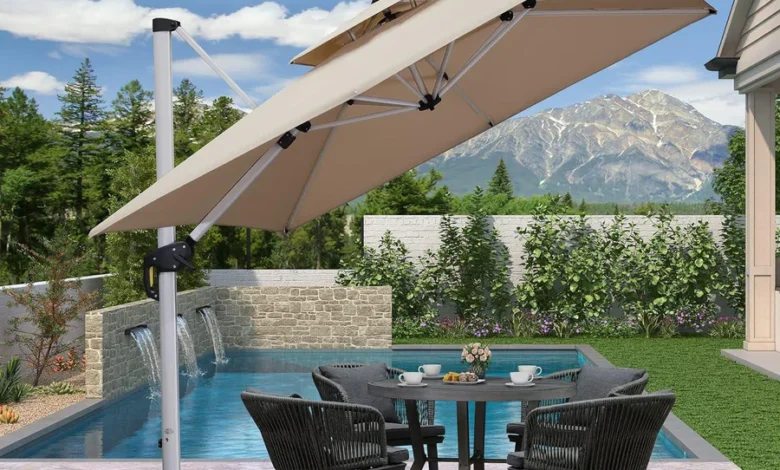
Market umbrellas remain the most recognizable choice, featuring a center pole and a round or octagonal canopy that opens symmetrically. They suit dining tables perfectly because the pole threads through a table’s center hole, creating a tidy, unified look. Their simplicity makes them easy to operate and store, though the center pole can limit seating flexibility. Cantilever or offset umbrellas suspend the canopy from a side arm, freeing up the entire area beneath for furniture arrangement. This makes them ideal for lounging zones, poolside setups, or L-shaped seating where a center pole would be impractical. Brands like PURPLE LEAF have expanded the cantilever category with designs that rotate and tilt with impressive range, casting shade exactly where you need it throughout the day. Tilt umbrellas occupy a middle ground—they use a center pole but allow the canopy to angle toward the sun as it moves across the sky. A push-button or crank mechanism adjusts the tilt, offering targeted shade without repositioning the entire unit. For smaller balconies or bistro settings, half-round umbrellas sit flush against a wall or railing, maximizing shade in tight quarters without encroaching on walkways.
Materials and Construction for Durability and Style
Frame materials dramatically influence both aesthetics and lifespan. Wooden frames—typically eucalyptus or teak—deliver a warm, natural look that complements rustic or traditional gardens, though they require periodic sealing to resist moisture. Aluminum frames offer lightweight strength and a sleek, modern profile with minimal upkeep, while fiberglass ribs flex under wind gusts rather than snapping, making them a smart pick for breezy locations. On the canopy side, solution-dyed acrylic fabric leads the field for colorfastness and weather resistance, holding its vibrancy season after season. Polyester blends cost less and come in endless patterns, but they fade faster under intense sun. Olefin strikes a balance, resisting moisture and mildew while maintaining reasonable color retention. Matching your frame and fabric choices to your local climate and design vision ensures your umbrella remains both a functional shade provider and a stylish focal point for years.
UV Protection Essentials for Safe Outdoor Shade
A gorgeous umbrella that fails to shield you from ultraviolet radiation is little more than a decorative prop. Understanding how UV protection works—and what to look for when shopping—turns your patio shade into a genuine health asset. Prolonged exposure to ultraviolet rays contributes to premature skin aging, eye damage, and increased skin cancer risk, making effective overhead protection far more than a comfort feature. Even on overcast days, up to 80 percent of UV radiation penetrates cloud cover, which means your shaded outdoor retreat needs to perform consistently regardless of visible sunshine.
The metric that matters most for umbrella fabrics is UPF, or Ultraviolet Protection Factor. While SPF measures how long sunscreen delays skin burning and applies only to topical products, UPF rates the fraction of UV radiation a fabric permits to pass through. A UPF 50+ canopy blocks at least 98 percent of both UVA and UVB rays, allowing fewer than one-fiftieth of those rays to reach your skin. This distinction is important because UVA rays, which penetrate deeper into the dermis, cause cumulative damage even when you don’t feel heat or see redness. Reliable patio shade demands a canopy engineered to intercept both wavelength ranges simultaneously.
How UV-Blocking Fabrics Work in Patio Umbrellas
Fabric construction is the first line of defense. Tightly woven fibers leave minimal gaps for light to slip through, which is why dense solution-dyed acrylics consistently outperform loosely woven polyesters in UV testing. Beyond weave density, manufacturers apply specialized coatings—titanium dioxide or UV-absorbing chemical treatments—that absorb or reflect radiation before it penetrates the fabric surface. Darker and more saturated colors naturally block more UV than lighter shades, though modern treatments have narrowed this gap considerably. Fabric weight also plays a role; heavier materials generally correlate with tighter construction and superior UV interception. Over time, however, coatings degrade with weathering, so selecting inherently UV-resistant fibers rather than relying solely on topical treatments ensures your protection doesn’t diminish after a few seasons of sun exposure.
Key Features to Ensure Maximum UV Defense
When evaluating umbrellas for UV performance, start with a verified UPF 50+ rating from an independent testing body—marketing claims without certification are unreliable. Fade resistance matters because color loss signals fiber degradation, which directly reduces UV-blocking ability. Water-repellent finishes prevent moisture from weighing down and stretching the weave, which would open micro-gaps that admit radiation. Ventilated canopy designs, featuring a double-layered top with an air gap, allow heat to escape without compromising UV coverage, since the overlapping fabric layers maintain full ray interception. Together, these features preserve both the canopy’s protective capacity and its visual appeal across multiple seasons, ensuring your investment in safe outdoor shade continues to pay dividends long after installation day.
How to Choose the Right Patio Umbrella: A Step-by-Step Solution Guide
With so many umbrella styles and UV protection variables in play, the selection process can feel overwhelming. Breaking it down into clear, sequential steps transforms what seems like a complex decision into a manageable one. The goal is straightforward: find an outdoor umbrella that fits your space, reflects your taste, shields you from harmful rays, and holds up through seasons of use without demanding excessive maintenance. By working through each consideration methodically, you avoid costly mistakes like purchasing a beautiful cantilever umbrella that overwhelms a small balcony or choosing a budget canopy that loses its UV-blocking ability within a single summer.
Step 1: Assessing Your Outdoor Space and Needs
Start by measuring your patio or garden area and identifying where shade matters most. A dining table needs overhead coverage centered directly above it, making a market umbrella with a pole diameter that matches your table’s center hole a natural fit. Lounging areas and poolside zones benefit from broader, offset coverage where no pole interrupts movement. Consider the sun’s path across your space—south-facing patios receive intense midday exposure, demanding larger canopies or adjustable tilt mechanisms. Note any wind patterns, nearby structures, or railings that might dictate whether a freestanding, wall-mounted, or half-round design works best. Your primary use—whether hosting dinner parties, reading alone, or supervising children at play—shapes both the size and style you need.
Step 2: Matching Style with UV Protection Requirements
Once you understand your spatial constraints, merge aesthetic preferences with protective performance. If you love the clean, modern look of a cantilever umbrella for your poolside lounge, confirm that the canopy fabric carries an independently certified UPF 50+ rating in your preferred color. Remember that darker solution-dyed acrylics inherently block more radiation, but lighter hues with proper UV coatings can perform equally well—so don’t sacrifice your color scheme without checking lab-tested ratings first. For traditional garden settings where a wooden-framed market umbrella feels right, pair that teak or eucalyptus frame with a dense acrylic canopy rather than a thin polyester, ensuring the classic look doesn’t come at the expense of protection. Tilt umbrellas offer an excellent compromise for spaces where the sun angle changes dramatically; their adjustability means you maintain consistent patio shade throughout the afternoon without needing a massive canopy footprint. Always cross-reference the umbrella’s stated UPF with an independent certification mark rather than relying on vague marketing language.
Step 3: Practical Tips for Maintenance and Longevity
Even the highest-quality outdoor umbrella needs routine care to preserve both its appearance and its UV-blocking integrity. Brush off loose debris weekly and wash the canopy with mild soap and lukewarm water every few months, allowing it to air-dry fully before closing to prevent mildew. Store your umbrella in a breathable cover during extended periods of disuse or harsh winter months—trapped moisture accelerates fabric degradation and weakens UV coatings. Inspect the frame joints, crank mechanism, and ribs at the start of each season; tightening loose hardware and lubricating moving parts prevents structural failures during wind gusts. If you notice significant fading, treat it as a functional warning rather than a purely cosmetic issue, since color loss correlates directly with diminished ultraviolet interception. Replacing a canopy every few years is far less expensive than replacing the entire unit, and many manufacturers sell compatible replacement fabrics that let you refresh both style and protection simultaneously.
Balancing Style and Sun Safety for Your Outdoor Space
Finding the perfect patio umbrella means balancing visual appeal with genuine protective performance—and as we’ve explored, you don’t have to sacrifice one for the other. The range of umbrella styles available today, from sleek cantilever designs to classic wooden-framed market umbrellas, ensures there’s an option that complements any outdoor aesthetic. Equally important is the UV protection built into your canopy; a verified UPF 50+ rating transforms a simple shade structure into a health-conscious investment that guards against cumulative sun damage every time you step outside. By following a deliberate selection process—measuring your space, matching style to function, confirming independent UV certifications, and committing to routine maintenance—you position yourself to enjoy years of comfortable, safe outdoor living. Your patio should be a place of relaxation, not a source of worry about sun exposure or buyer’s remorse. Take these insights with you the next time you shop, ask the right questions about fabric ratings and construction quality, and invest in an umbrella that earns its place as the centerpiece of your garden for seasons to come.