Recovery after wisdom teeth removal does not have to feel like a punishment. Sure, the jaw is sore, the cheeks are puffy, and solid food feels very far away. There is actually a whole world of soft, nourishing, and genuinely delicious foods that fit perfectly into the post-surgery window. Whether someone is a few hours out of the dental chair or a couple of days into healing, the right foods can make the entire experience so much more bearable.
This guide covers 25 of the best options, plus some helpful context on what the surgery actually involves and why post-op nutrition matters more than most people realize.
What Is Wisdom Teeth Removal Surgery and Why Is It Done?
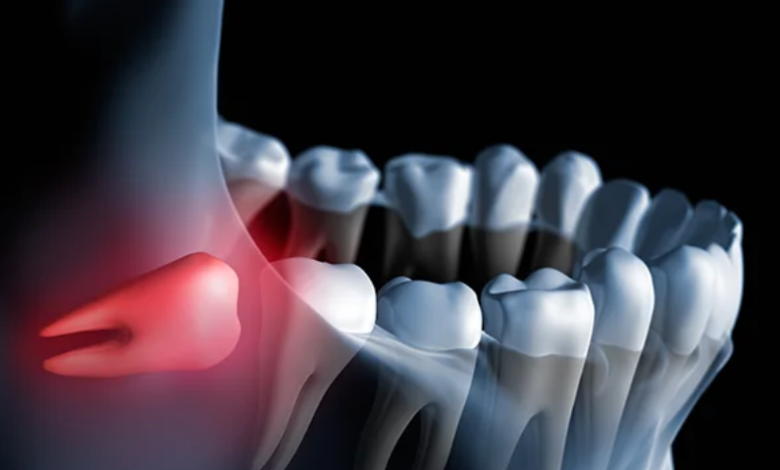
Wisdom teeth removal, also called third molar extraction, is one of the most common oral surgery procedures performed worldwide. Wisdom teeth are the last set of molars to come in, typically appearing between the ages of 17 and 25. In many cases, the jaw simply does not have enough room for them. As a result, they can become impacted, meaning they get stuck beneath the gum line or push against neighboring teeth, which leads to pain, swelling, infection risk, and potential damage to surrounding structures.
Dentists and oral surgeons recommend extraction when wisdom teeth are impacted, partially erupted, causing crowding, or likely to cause problems down the line. The procedure itself is performed under local anesthesia, sedation, or general anesthesia, depending on the complexity. Most people are back home within a couple of hours.
Recovery, however, takes several days to a couple of weeks. During this time, the extraction sites are tender and vulnerable. Eating the wrong foods, specifically anything crunchy, chewy, or too hot, can disrupt the blood clot that forms in the socket, potentially leading to a painful condition called dry socket. Additionally, proper nutrition during this period supports tissue repair, keeps energy levels stable, and helps the immune system do its job. That is exactly why what goes on the plate, or in the bowl, during recovery is so important.
25 Foods to Eat After Wisdom Teeth Removal
Soft foods after oral surgery are not just about playing it safe. Many of them are genuinely comforting and satisfying. Below is a curated list of the best options to keep on hand during recovery. Some are sweet, some are savory, and all of them are gentle on healing gums.
A few, like a well-made soft quiche, can even feel special. In fact, a savory egg tart inspired by Alice Waters’ tomato quiche recipe is a surprisingly elegant option for day two or three of recovery, when someone is ready for something a little more substantial.
1. Mashed Potatoes
Creamy mashed potatoes are arguably the ultimate comfort food for post-surgery recovery. They are filling, easy to prepare in large batches, and completely soft.
For extra nutrition, stirring in a little butter, warm broth, or soft cream cheese adds both flavor and calories. That said, avoid anything too hot, and skip the chunky or lumpy versions for the first couple of days.
2. Applesauce
Applesauce is one of the most recommended soft foods after wisdom teeth removal surgery, and for good reason. It is smooth, mildly sweet, and requires zero chewing.
It also provides a small dose of fiber and vitamin C, both of which support healing. Opt for the unsweetened variety to avoid unnecessary sugar spikes throughout the day.
3. Greek Yogurt
Greek yogurt is packed with protein, calcium, and probiotics, making it one of the most nutritionally dense soft foods available. The cool temperature also helps soothe swelling in the first 24 to 48 hours.
Plain or lightly flavored options work best. Avoid anything with crunchy granola toppings or whole fruit pieces, as those can irritate the extraction site.
4. Smoothies
Smoothies are a fantastic way to pack in fruits, vegetables, and protein when chewing is off the table. Blending soft fruits like bananas, mangoes, or berries with yogurt, nut butter, or a scoop of protein powder creates a balanced, easy-to-consume meal.
One important note: always use a spoon instead of a straw. The suction from a straw can dislodge the blood clot and cause dry socket, which is one of the most uncomfortable complications of wisdom tooth extraction recovery.
5. Scrambled Eggs
Scrambled eggs are soft, high in protein, and come together in minutes. They are one of the easiest tooth extraction recovery foods to prepare and customize throughout the week.
Cook them low and slow for the softest texture, and avoid adding anything crunchy. A little shredded soft cheese or a drizzle of olive oil works particularly well.
6. Oatmeal
Oatmeal is warm, gentle, and filling. It is also an excellent source of complex carbohydrates, which provide steady energy during recovery.
Let it cool slightly before eating to avoid irritating sensitive gum tissue. Toppings like a drizzle of honey or a spoonful of smooth nut butter add flavor without any textural risk.
7. Avocado
Avocado is one of the most nutrient-rich soft foods someone can eat post-surgery. It is full of healthy fats, potassium, and vitamins K, C, and B6.
Mashed or served as a smooth guacamole, it requires no effort to eat. It also pairs well with other soft foods like scrambled eggs or warm polenta for a more complete meal.
8. Broth-Based Soup
A warm, well-seasoned broth is deeply soothing after oral surgery. Chicken broth, bone broth, and vegetable broth all provide hydration, electrolytes, and a comforting warmth that feels genuinely restorative.
Stick to clear or strained soups in the first day or two. From there, gradually move to soft-ingredient soups like tomato or butternut squash bisque as recovery progresses. Always let soup cool to a lukewarm temperature before consuming, since heat can aggravate swelling.
9. Banana
Bananas are soft, easy to eat, and full of potassium and vitamin B6. They are one of the most accessible wisdom teeth recovery foods and require virtually no preparation at all.
Mashed banana can also be stirred into oatmeal or yogurt for variety, which is especially helpful when the same few foods start to feel repetitive by day three or four.
10. Hummus
Smooth hummus is a wonderful savory option that brings together protein, fiber, and healthy fats in one soft package. It works well as a dip or can be eaten by itself with a spoon.
Pair it with a very soft, thin pita that has been warmed until tender, or enjoy it alongside mashed avocado. Either way, it adds a satisfying savory dimension to an otherwise sweet-leaning recovery menu.
11. Soft Tofu
Silken or soft tofu has an incredibly delicate texture that makes it ideal for post-extraction eating. It can be served in a warm, gentle broth, blended into a smoothie for a protein boost, or eaten as a light side dish.
Tofu is also rich in plant-based protein and calcium, both of which support tissue recovery. It is a particularly good option for those who do not eat eggs or dairy.
12. Pumpkin Puree
Pumpkin puree is smooth, mildly flavored, and rich in beta-carotene, vitamin C, and fiber. It can be eaten as a simple side dish, stirred into oatmeal, or turned into a warm pumpkin soup.
Canned pumpkin works just as well as fresh, provided it is plain puree and not pie filling loaded with added sugar. A pinch of cinnamon and a drizzle of honey turn it into something that feels almost indulgent.
13. Cottage Cheese
Cottage cheese is soft, protein-rich, and easy to eat in small portions throughout the day. The fine curds are gentle enough for most people even in the earliest days of the recovery window.
Its mild flavor makes it easy to pair with soft fruit like mashed banana or smooth applesauce. For something more savory, a light drizzle of olive oil and a pinch of sea salt work surprisingly well.
14. Mango Puree
Mango puree is vibrant, naturally sweet, and loaded with vitamin C and folate, both of which play a role in tissue repair. It blends beautifully into smoothies or can be eaten on its own as a refreshing, cool treat.
Freshly blended or store-bought smooth varieties both work well. Just check the label on store-bought versions to make sure there are no added chunks or fibrous bits that could get lodged near the extraction site.
15. Sweet Potato Mash
Mashed sweet potato is even more nutritious than regular mashed potatoes. It is packed with beta-carotene, vitamin C, potassium, and fiber, and a little warm butter or olive oil makes it extra silky.
It is also filling enough to serve as a proper meal component rather than just a side dish. Combined with soft-cooked fish or scrambled eggs, it makes for a genuinely satisfying recovery meal.
16. Scrambled Tofu
Soft scrambled tofu, seasoned with a little turmeric, olive oil, and salt, is a plant-based alternative to scrambled eggs that is equally gentle on healing gums. It is high in protein and comes together in under ten minutes.
Turmeric, in particular, is worth noting here. It has well-documented anti-inflammatory properties, which makes it a smart seasoning choice during the post-surgery healing period.
17. Pudding
Pudding, whether chocolate, vanilla, or butterscotch, is one of the most beloved post-surgery foods. It requires no preparation beyond opening a container, and it is smooth enough to eat at any stage of recovery.
Beyond the practical benefits, it is also a legitimate morale booster during an otherwise uncomfortable period. Homemade versions with less sugar are easy to prepare and taste considerably better than the store-bought alternatives.
18. Ricotta Cheese
Soft ricotta cheese is creamy, mild, and exceptionally versatile. It can be eaten plain, drizzled with a little honey, blended into a smooth pasta sauce, or spread over very soft bread.
Ricotta is also a good source of calcium and protein, both of which support healing. For a simple and satisfying option, a small bowl of ricotta with warm honey and a pinch of cinnamon takes almost no effort and feels like a proper treat.
19. Pea Soup
Smooth pea soup, blended until completely lump-free, is a nutrient-dense option for the recovery period. It is rich in plant-based protein, iron, and folate, which all contribute to the body’s repair process.
A drizzle of olive oil and a pinch of sea salt bring out its naturally sweet, grassy flavor. For added richness, a spoonful of soft ricotta stirred in just before serving makes the texture even more velvety.
20. Soft Polenta
Creamy polenta is a wonderful savory alternative to mashed potatoes. When cooked with broth and finished with a little butter and grated soft cheese, it becomes rich, smooth, and genuinely satisfying.
Its texture is soft enough for even the earliest days of recovery. It also pairs well with a slow-cooked tomato sauce, provided the sauce is blended smooth and free of any chunky or fibrous ingredients.
21. Bone Broth
Beyond regular soup, bone broth deserves its own entry on this list. It is simmered for hours to extract collagen, minerals, and amino acids that actively support tissue repair and gut health.
Furthermore, it is deeply hydrating and easy to consume at any point during the day. Many people find it most helpful to sip from a spoon rather than a cup, especially in the first 48 hours after surgery.
22. Soft-Cooked Fish
By day three or four of recovery, many people are ready for something a little more substantial. Soft-cooked, flaky white fish like tilapia, cod, or sole is an excellent option at this stage.
Baked until tender and served alongside mashed sweet potato or creamy polenta, it provides high-quality protein without any chewing strain. It is also light enough that it will not feel heavy or uncomfortable on a stomach that may still be adjusting after anesthesia.
23. Nut Butter
Smooth almond butter, cashew butter, or sunflower seed butter are all excellent sources of healthy fats and protein. They can be stirred into oatmeal, blended into smoothies, or eaten by the spoonful for a quick and easy energy boost.
Avoid chunky versions and anything with added crunchy ingredients. Smooth varieties spread easily and have a soft enough consistency to enjoy even in the first couple of days after surgery.
24. Ice Cream
Plain, soft ice cream offers a clear double benefit post-surgery. It is easy to eat, and the cold temperature helps reduce swelling and discomfort in the first 24 hours after the procedure.
Stick to simple flavors without mix-ins, cones, or hard toppings. Soft serve is an even gentler option, and frozen yogurt works equally well for those who prefer something a little lighter.
25. Blueberry Cobbler
By the later days of recovery, when things are starting to feel more normal, a warm and soft blueberry cobbler can feel like a genuine reward. The key is making sure the topping is baked until very soft, almost custard-like, and that the blueberries are fully cooked down into a jammy, tender filling.
Alice Waters’ blueberry cobbler is a perfect reference point here. The recipe leans into simple, ripe fruit and a tender biscuit topping that, when gently softened by the berry juices, practically dissolves without any chewing effort at all. It is the kind of dessert that feels celebratory without asking anything difficult of a still-healing jaw.
Wrapping Up
Recovery from wisdom teeth removal is temporary, but the right food choices can make a real difference in how comfortable and well-nourished someone feels throughout the process. From cool Greek yogurt and smooth mashed sweet potatoes to savory soft polenta and a gently warm blueberry cobbler, there is genuinely no shortage of satisfying options.
The general rule of thumb is to keep things soft, cool to lukewarm, and completely straw-free until the dentist gives the all-clear on crunchy or chewy textures. With a little planning and a well-stocked kitchen, post-surgery eating can turn out to be a surprisingly pleasant experience.