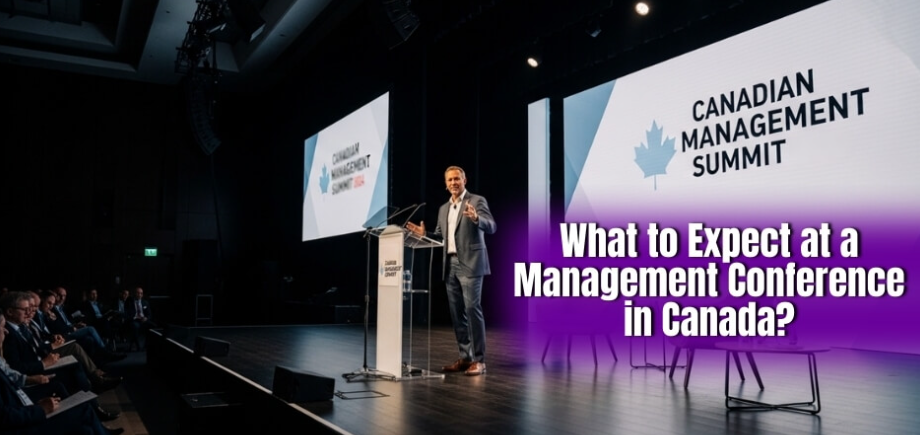
Attending a management conference in Canada gives professionals the opportunity to learn from experienced speakers, explore current leadership and business trends, and connect with others in a structured professional setting. These events usually combine expert sessions, practical discussions, and networking opportunities that support both learning and career development.
This guide explains what to expect when attending a management conference in Canada, from the event format and common activities to preparation tips and professional benefits. Reading further will help you understand the experience more clearly and make the most of the conference.
What Is a Management Conference in Canada?
Management conferences in Canada are professional events focused on leadership, business strategy, workplace challenges, and organizational growth. They are designed to help attendees learn from experts, explore current management trends, and build professional connections.
Who Usually Attends:
- Managers and Team Leaders: Attend to improve leadership skills, solve workplace challenges, and learn practical ways to manage teams more effectively.
- Business Owners and Entrepreneurs: Join to gain fresh business ideas, explore management strategies, and connect with professionals who can support growth.
- Executives and Decision-Makers: Participate in discussing strategy, leadership, organizational direction, and current issues affecting business performance and long-term planning.
- HR and Operations Professionals: Attend to learn about workforce management, team performance, workplace culture, and more effective operational practices.
- Consultants and Industry Advisors: Take part to share expertise, follow current management trends, and build connections with professionals across different sectors.
- Researchers, Educators, and Students: Join to explore management topics, exchange knowledge, and connect academic learning with professional practice.
What to Expect at a Management Conference in Canada?
Attending one of these events usually means taking part in expert-led sessions, practical discussions, and professional networking throughout a structured agenda. Most attendees can expect a balanced mix of learning, interaction, and industry exposure. Here are the main parts of the experience.
Keynote Sessions and Expert Speakers
Keynote sessions usually open the event with insights from experienced speakers on leadership, workplace trends, strategy, and management challenges. For many professionals, joining a management conference Canada event is especially valuable at this stage because it offers direct access to broader industry perspectives and expert guidance.
Workshops and Interactive Learning
Workshops give attendees a more hands-on learning experience by focusing on practical management topics, group discussion, and skill development. These sessions often feel more engaging because they allow participants to explore real workplace challenges and apply ideas in a more active setting.
Panel Discussions and Case-Based Sessions
Panel discussions bring together multiple viewpoints on leadership, management issues, and industry developments. Case-based sessions add practical value by showing how organizations handle real challenges, helping attendees understand how certain strategies, decisions, and management approaches work in professional settings.
Networking Opportunities
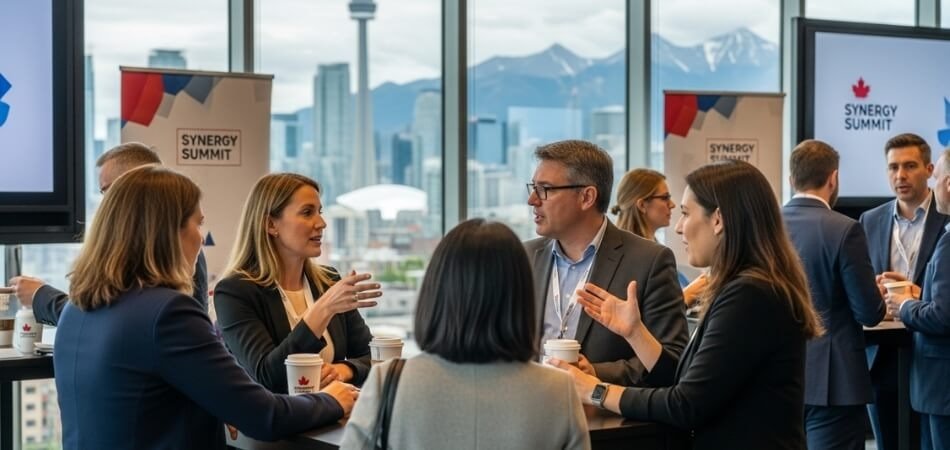
Networking is a major part of the conference experience, with opportunities to meet speakers, peers, and industry professionals in both formal and informal settings. These conversations can help attendees expand their professional circle, exchange ideas, and build relationships that continue after the event.
Exhibitions and Business Showcases
Some conferences include exhibition areas where companies, institutions, or service providers present tools, training programs, and business solutions related to management. These spaces give attendees a chance to discover useful resources, ask questions directly, and explore services connected to professional development.
A Professional and Structured Environment
Most management conferences follow a clear schedule with organized sessions, designated breaks, and planned networking times. This structure helps attendees move through the event more easily while maintaining a professional atmosphere that supports focused learning, respectful interaction, and better overall time management.
What First-Time Attendees Should Know Before Going?
First-time attendees usually get more value from a management conference when they prepare before the event. A little planning can make the experience smoother, more focused, and more useful. Here are the main things to know before going.
Review the Agenda Early
Checking the agenda before the event helps attendees understand the conference structure, choose the most relevant sessions, and avoid confusion on the day. It also makes it easier to plan time for both learning and networking.
- Helps prioritize important sessions
- Reduces schedule confusion
- Makes the day easier to manage
Set Clear Goals for Attending
Attendees often benefit more when they know why they are going. Clear goals can include learning from experts, meeting industry professionals, exploring partnerships, or gaining ideas that support career and management growth.
- Gives the event a clearer purpose
- Helps focus on relevant opportunities
- Improves overall conference value
Prepare a Short Professional Introduction
A simple introduction helps first-time attendees start conversations more easily. It should clearly explain who they are, what they do, and why they are attending, especially during networking sessions or informal discussions.
- Makes introductions easier
- Supports better networking
- Creates a more professional first impression
Plan Travel, Timing, and Conference Materials
Good preparation also includes practical details such as travel time, venue location, registration documents, and what to bring. Planning these early helps reduce stress and allows attendees to focus more on the event itself.
- Prevents last-minute problems
- Helps with smooth arrival and check-in
- Keeps the experience more organized
Understand Canadian Weather and Local Logistics
Conference planning in Canada may also require attention to weather, transportation, and local travel conditions. Knowing these details in advance helps attendees arrive more comfortably and manage the day with fewer interruptions.
- Helps with clothing and travel preparation
- Reduces unexpected delays
- Makes the event experience more comfortable
What Happens During a Management Conference in Canada?
Knowing how a management conference usually unfolds can help attendees feel more prepared and confident on the day of the event. While each event may follow a slightly different schedule, most conferences include a similar flow from arrival to closing sessions.
Registration and Check-In
The day often begins with registration and check-in, where attendees collect their badges, confirm their attendance, and receive event materials. This part helps everyone get settled before the main sessions begin and gives them time to understand the venue layout.
Morning Sessions and Main Presentations
Morning sessions usually include opening remarks, keynote speeches, and featured presentations. These sessions often introduce the main conference themes and give attendees broader insights into leadership, management, business strategy, or workplace trends.
Breakout Sessions and Workshops
After the main presentations, many conferences move into smaller breakout sessions or workshops. These sessions allow attendees to explore specific topics in more detail, ask questions, and take part in more focused discussions.
Networking Breaks and Social Interaction
Scheduled breaks, lunch sessions, and informal gathering times give attendees opportunities to connect with speakers, peers, and other professionals. These moments often play an important role in building relationships and exchanging ideas outside the formal sessions.
Closing Sessions and Follow-Up Opportunities
Toward the end of the conference, closing sessions often summarize key ideas and leave attendees with final takeaways. Many professionals also use this time to exchange contact details, continue useful conversations, and prepare for post-event follow-up.
See also: Boosting Business Growth Through Effective Visual Marketing
Leadership Insights and Practical Management Ideas at the Management Conferences
Management conferences give attendees access to leadership insights and practical management ideas that can be applied in real professional settings. Through expert sessions, case-based discussions, and peer interaction, these events help professionals strengthen decision-making, team leadership, and workplace strategy. Here are some of the key areas where this value often appears.
- Leadership Approaches From Experienced Speakers: Attendees often hear how leaders handle change, decision-making, communication, and team performance in different professional environments.
- Practical Solutions To Workplace Challenges: Many sessions focus on real management issues such as productivity, employee engagement, conflict resolution, and organizational change.
- Ideas For Better Team Management: Conferences often highlight ways to improve collaboration, accountability, motivation, and day-to-day team performance.
- Strategies For Organizational Growth: Attendees may gain useful insights into planning, operations, leadership development, and long-term business improvement.
- Real Examples From Case-Based Discussions: Case studies help professionals understand how management strategies work in actual business situations rather than only in theory.
- Actionable Takeaways For Immediate Use: One of the main advantages of these events is that attendees often leave with ideas they can apply directly in their own roles or workplaces.
Support International Attendees Can Expect at a Management Conference in Canada
International attendees often need more than just event access when attending a management conference in Canada. In many cases, organizers provide practical support before and during the event. Here are some of the main types of support international attendees can usually expect.
Pre-Event Communication and Registration Guidance
International attendees can usually expect clear communication before the event, including registration details, confirmation messages, schedule updates, and basic event instructions. This support helps them understand what to do before arrival and reduces confusion around the conference process.
Invitation Letter or Supporting Documents
Some conference organizers may provide invitation letters or other supporting documents for international participants when needed. These documents can be helpful for travel planning or visa-related preparation, depending on the attendee’s country and travel requirements.
Simple Checklist:
- Check whether invitation letters are available
- Review document requirements early
- Confirm registration details before travel
- Keep conference emails and documents organized
Venue Information and Local Event Details
International attendees often benefit from practical information about the venue, conference timing, and event schedule. Organizers may share directions, check-in details, session timing, and other important updates that help attendees move through the event more confidently.
Access to Sessions and Conference Materials
Most attendees can expect access to the main conference sessions, learning activities, and event materials included with registration. This may include session schedules, presentation access, digital resources, or printed materials, depending on the event format.
On-Site Check-In and Event Assistance
Support during the event often includes check-in help, badge collection, and guidance from event staff. This kind of on-site assistance is especially helpful for international attendees who may be unfamiliar with the venue or conference setup.
Networking With Local and International Professionals
Management conferences in Canada often create opportunities for international attendees to connect with both local professionals and other global participants. This makes the event more valuable by supporting wider networking, knowledge exchange, and future professional relationships.
Conference Tips for Better Networking and Learning
Management conferences become more valuable when attendees focus on both learning and professional connections. Using a few simple habits during the event can help make sessions more useful, conversations more meaningful, and the overall experience more productive.
- Review the Agenda in Advance: Knowing the session schedule early helps attendees choose the most relevant topics and manage their time more effectively throughout the event.
- Set Clear Learning and Networking Goals: A clear purpose makes it easier to focus on the right sessions, conversations, and opportunities during the conference.
- Join Sessions That Match Your Role or Interests: Attending relevant workshops, panels, and discussions helps attendees gain more useful insights and connect with professionals in similar areas.
- Ask Thoughtful Questions During Sessions: Good questions improve learning, show engagement, and can also create natural openings for conversation with speakers or other attendees.
- Use Breaks for Meaningful Networking: Coffee breaks, lunch sessions, and informal moments often create the best opportunities to start professional conversations in a relaxed way.
- Keep Your Introduction Clear and Professional: A simple introduction makes networking easier and helps others quickly understand your background and interests.
- Take Notes With Action Points: Writing down useful ideas, speaker insights, and follow-up reminders helps attendees apply what they learn after the conference.
- Follow Up With Relevant Contacts After the Event: Sending a short and professional message after the conference helps keep the connection active and makes the networking effort more worthwhile.
Conclusive Words
For many professionals, a management conference in Canada can be more than just another event on the calendar. It can open the door to fresh ideas, practical learning, and meaningful conversations that continue beyond the conference itself. From expert sessions to networking moments, the experience often brings both professional insight and personal confidence.
Knowing what to expect when attending a management conference in Canada makes it easier to prepare with purpose and take full advantage of the opportunity. With the right approach, these events can leave attendees with stronger connections, useful takeaways, and a better sense of how to move forward in their professional journey.