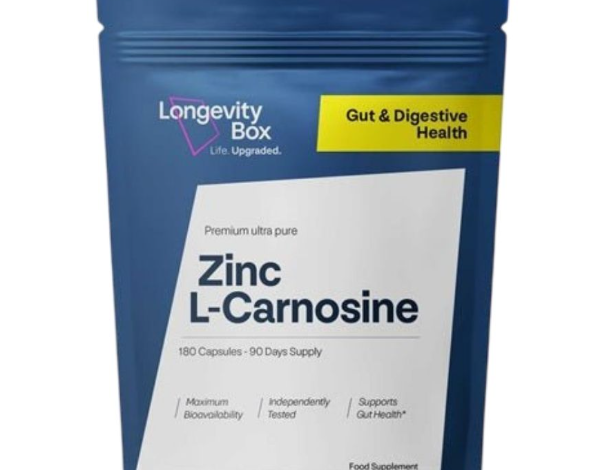
Interest in targeted nutritional supplements has grown steadily in the UK, especially among individuals looking to understand better how specific compounds support everyday well-being. One supplement that often appears in digestive and cellular health discussions is the zinc carnosine supplement, which combines two naturally occurring nutrients into a single compound.
Before adding any supplement to a routine, it is important to understand what it contains, how it works in the body, and what factors influence its suitability. Here are eight key facts about zinc carnosine to help you make informed and balanced decisions without relying on exaggerated claims or fads.
1. Zinc Carnosine Is a Compound, Not a Single Nutrient
Zinc carnosine is formed by combining zinc with L-carnosine, a dipeptide made from beta-alanine and histidine. This bonded structure is designed to support stability and gradual interaction within the body.
Unlike standalone zinc supplements, zinc carnosine is often discussed in the context of targeted nutritional support rather than general mineral intake. Understanding that it is a compound helps explain why it may behave differently from other zinc forms.
2. It Has a Unique Relationship With Digestive Processes
One reason zinc carnosine is commonly researched is its interaction with the gastrointestinal environment. The compound has been studied for how it behaves within the stomach and intestinal lining.
This does not mean it produces guaranteed outcomes. Instead, it highlights why zinc carnosine is often considered separately from standard zinc supplements. Its structure influences how it is retained and used in specific areas of the body.
3. Zinc Plays an Essential Role in Normal Body Functions
Zinc itself is an essential mineral involved in enzyme activity, immune function, and cellular maintenance. It must be obtained through diet or supplementation, as the body does not store large amounts.
When zinc is paired with carnosine, the delivery method changes, but the mineral’s fundamental role remains the same. This is why overall zinc intake from food and supplements should always be considered together.
4. Zinc Carnosine Compared to Other Zinc Types
There are many zinc supplements available, including zinc citrate, gluconate, and picolinate. Zinc carnosine differs because it is a chelated compound rather than a simple salt.
This structure forms what is often referred to as a zinc-l carnosine complex, which may influence how the compound interacts with tissues. Understanding this difference allows users to compare products more effectively instead of assuming that all zinc supplements work the same way.
5. Clear Labelling Builds Better Trust
When reviewing any supplement, including a zinc carnosine supplement, ingredient clarity is essential. Reliable products clearly state the amount of elemental zinc, the form of carnosine used, and whether additional fillers are included.
Transparent labelling supports informed decisions and reduces confusion. Supplements that focus on clear explanations rather than outcome-based promises are generally easier to assess and integrate responsibly.
See also: Future-Ready Pharmacy Management System for Healthcare with Healthray
6. Supporting Health Through Daily Habits
Discussions around zinc carnosine benefits often focus on how the compound supports normal biological processes. While this information can be helpful, supplements should always be viewed as supportive tools.
They work best alongside balanced meals, adequate hydration, regular movement, and consistent rest. No supplement can compensate for poor lifestyle habits, which is why expectations should remain realistic.
7. Balancing Zinc Intake for Safe Use
Zinc intake must be balanced carefully. Excessive supplementation can interfere with the absorption of other minerals, such as copper.
Individuals with existing health conditions, those taking prescribed medications, or people already consuming zinc from multiple sources should seek professional guidance before adding new supplements. Understanding total daily intake is a key part of safe use.
8. Comparing Products Helps Reduce Confusion
Choosing a supplement does not need to be confusing. Comparing products based on formulation simplicity, dosage clarity, and testing standards can simplify decision-making.
Rather than focusing on trends, it’s simpler to assess how a supplement fits into daily routines. Clear explanations and consistent quality indicators are often more valuable than bold claims.
Common Factors to Review Before Purchase
- Clear ingredient labelling
- Elemental zinc content per serving
- Presence of unnecessary additives
- Testing or quality assurance information
- Simple usage instructions
These factors help users make choices based on understanding rather than assumptions.
Who May Consider Zinc Carnosine Supplementation
Zinc carnosine is often explored by individuals who are interested in targeted nutritional support rather than broad, multi-purpose supplementation. This can include people who already pay attention to ingredient quality, formulation clarity, and how specific compounds fit into their existing routines.
That said, suitability varies from person to person. Factors such as overall diet, existing zinc intake, lifestyle habits, and individual health considerations all play a role. Supplements are not designed for universal use, which is why understanding personal context is just as important as understanding the ingredient itself.
Taking time to assess whether a supplement aligns with personal needs helps avoid unnecessary use and supports better decision-making.
Making an Informed and Responsible Supplement Choice
Choosing supplements responsibly involves more than reading headlines or following trends. It requires comparing labels, understanding ingredient roles, and setting realistic expectations about what supplements can and cannot do.
A simple approach includes:
- Reviewing ingredient sources and formulation details
- Checking for clear dosage guidance
- Considering how the supplement fits into daily routines
- Avoiding products that rely on exaggerated claims
This process helps ensure that supplements are used as supportive tools rather than quick solutions. When choices are made based on clarity and understanding, supplementation becomes a more balanced and sustainable part of everyday wellness habits.
Final Thoughts
Zinc carnosine is a compound that continues to attract interest due to its structure and role in nutritional research. The key to responsible use lies in understanding formulation, dosage, and how supplements fit into a balanced lifestyle rather than expecting quick results.
Educational platforms such as Longevity Box provide access to clearly labelled products and informational resources, helping users explore supplement options with confidence and clarity.
By focusing on transparency, realistic expectations, and long-term consistency, individuals can make informed decisions that support everyday well-being without unnecessary complexity.