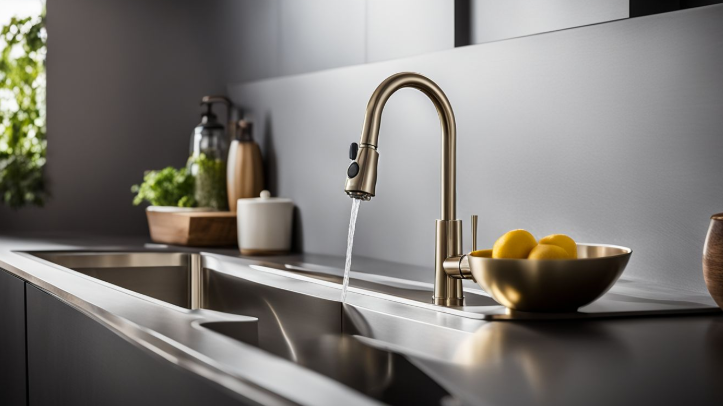
Bar kitchen faucets are compact, versatile fixtures designed to complement smaller sinks in areas like wet bars, prep stations, or secondary kitchen spaces. While not as large as standard kitchen faucets, bar faucets play a vital role in efficient multitasking, whether it’s rinsing cocktail glasses, prepping food, or washing hands. Choosing the right material for your bar kitchen faucet is critical, as it impacts not only the faucet’s durability but also its look and long-term performance.
Among common materials, stainless steel, brass, and plastic each bring unique qualities to the table. So, how do you decide which is right for your needs? In this blog, we’ll dive deep into the advantages and disadvantages of these materials, while keeping the key points around bar kitchen faucets—functionality, appearance, and value—front and center.
What Are Bar Kitchen Faucets?
Bar kitchen faucets are smaller, compact faucets designed for secondary sinks like wet bars, prep sinks, or island sinks. They are ideal for:
Entertaining Spaces: Perfect for rinsing glasses or preparing garnishes while hosting.
Food Prep Areas: A convenient option for washing produce or handling prep tasks.
Smaller Kitchens: Their compact design makes them a space-saving choice for kitchens with limited square footage.
These faucets may be small, but they pack a lot of style and function. Choosing the right material ensures your bar faucet aligns with your aesthetic, lasts for years, and meets your functional needs.
Stainless Steel vs Brass vs Plastic: Which Material is Right for Your Bar Kitchen Faucet?
1. Stainless Steel
Stainless steel is widely considered the best material for bar kitchen faucets, and for good reason. Durable, sleek, and versatile, it offers characteristics that align well with both the functional needs and aesthetic goals of a secondary sink.
Advantages of Stainless Steel Bar Faucets
Durability:
Stainless steel is tough and highly resistant to dents, scratches, and corrosion, making it ideal for heavy use in wet spaces like a bar sink.
Its natural rust-proof qualities ensure longevity, even in humid or moist environments.
Easy Maintenance:
Stainless steel doesn’t tarnish or lose its finish. A simple wipe with soap and water keeps it looking great.
Brushed or satin finishes help hide water spots and fingerprints, requiring less upkeep over time.
Versatile Aesthetics:
Stainless steel faucets offer a sleek, modern appearance that complements contemporary, industrial, and transitional designs.
Stainless steel pairs beautifully with appliances and countertops, creating a cohesive look for your kitchen or bar area.
Eco-Friendly:
Stainless steel is 100% recyclable, making it an environmentally responsible choice.
Affordable Long-Term Value:
Although stainless steel may have a higher upfront cost than plastic faucets, its long lifespan and durability save money in the long run.
Drawbacks of Stainless Steel
Higher Initial Price:
Stainless steel faucets are generally more expensive than plastic options, although their longevity makes them worth the investment.
Finish Sensitivity:
Polished stainless steel may show fingerprints more than other finishes, though brushed or matte options minimize this issue.
2. Brass
Brass is another popular material for bar faucets, especially in traditional or vintage-style kitchens. It’s valued for its warm tone and luxurious appeal, but it comes with certain drawbacks regarding upkeep and cost.
Advantages of Brass Bar Faucets
Classic Aesthetics:
Brass faucets bring a timeless, elegant look to wet bars and prep stations.
Polished, antique, or brushed brass finishes offer a range of stylish options, ideal for farmhouse, vintage, or traditional designs.
Good Durability:
Brass is naturally resistant to cracking and damage.
Unique Finishes:
Brass allows homeowners to achieve stunning custom finishes like oil-rubbed bronze or antique gold, which aren’t as common with stainless steel.
Drawbacks of Brass
Maintenance-Heavy:
Brass requires regular polishing and cleaning to prevent tarnishing and discoloration, especially if exposed to water and moisture frequently (which is normal for a bar sink).
Susceptible to Corrosion:
While brass is naturally corrosion-resistant, its protective coatings (like chrome or nickel) can wear off over time, leaving the material vulnerable to rust if not maintained.
Heavier and Pricier:
Brass is heavier than stainless steel or plastic, which means installation can involve reinforcement. Its luxury appeal also results in a higher price.
3. Plastic
Plastic faucets are available as budget-friendly options, but they are often considered less durable and less aesthetically pleasing compared to stainless steel or brass.
Advantages of Plastic Bar Faucets
Affordable Price:
Plastic faucets are the cheapest option on the market, making them ideal for homeowners working on tight budgets.
Lightweight Design:
Thanks to their light weight, plastic faucets are easy to install without added reinforcement.
Rust-Free Material:
Unlike brass or stainless steel, plastic does not rust.
Drawbacks of Plastic
Poor Durability:
Plastic faucets are prone to cracks, warping, and fading over time, especially under heavy use.
Unlike stainless steel or brass, plastic isn’t built to withstand long years of wear and tear.
Lacks Style and Premium Appeal:
While some plastic faucets are coated to mimic metal finishes, they often lack the refined look and feel of stainless steel or brass.
Short Lifespan:
The low upfront cost of plastic faucets is offset by their shorter lifespan, meaning replacements are more frequent and costly in the long term.
Environmentally Unfriendly:
Plastic is not as easily recyclable as stainless steel or brass, contributing to long-term waste issues.
See also: Elegant Table Lamps for Modern Homes
Why Stainless Steel Bar Faucets Are the Best Choice
1. Superior Durability
Stainless steel is far stronger and longer-lasting than plastic and even brass in humid or wet environments. Its natural rustproof qualities make it perfect for bar sinks, where water exposure is constant.
2. Minimal Maintenance
Unlike brass, which requires polishing, stainless steel is easy to maintain, especially in brushed or matte finishes that hide water spots. Plastic may seem low-maintenance, but its inability to last makes it far less dependable for busy kitchens or entertainment spaces.
3. Versatile Modern Style
Stainless steel’s clean, polished aesthetic complements bar sinks in a variety of kitchen styles, especially modern, industrial, and transitional designs. Brass faucets excel in vintage kitchens but require much more upkeep, while plastic lacks any premium appeal or sophisticated look.
4. Eco-Friendly and Long-Term Savings
Choosing stainless steel means getting a recyclable material that lasts decades. Brass is also recyclable but typically has higher costs due to its luxurious finishes. Plastic, though cheap, contributes significantly to environmental waste due to its shorter lifespan.
When it comes to bar kitchen faucets, stainless steel stands out as the best choice for combining durability, functionality, easy maintenance, and modern aesthetic appeal.
Brass offers vintage luxury and warmth but requires significant upkeep and commands a higher price.
Plastic, though inexpensive, lacks durability, making it unsuitable for long-term use.
Stainless steel delivers the ideal balance, offering a dependable, rustproof, stylish faucet that matches virtually any kitchen or bar design.
If you’re looking for an efficient, sleek fixture that saves you money in the long run, a stainless steel bar faucet is the ultimate choice.