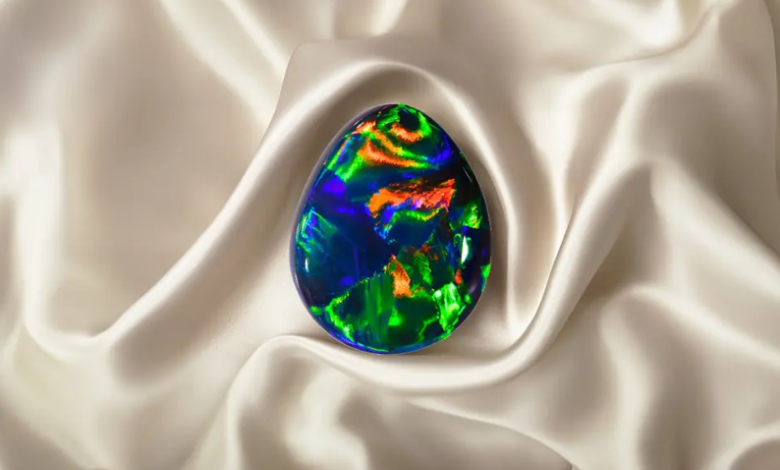
The fascination with opal jewellery has transcended time and culture, with black opal occupying a particular mystique that captivates gemstone aficionados and jewellery lovers alike. Its unique play-of-colour and bewitching aesthetic make black opal an object of desire for those seeking not just beauty, but a touch of enigma in their adornments.
Understanding Black Opal
Often hailed as the ‘queen of gems’, the black opal is distinguished from other opal varieties by its dark body tone. This deep backdrop accentuates the spectral dance of fiery hues that shimmer across its surface—a phenomenon known as ‘play-of-colour’. Black opals are primarily mined in the Australian outback, with Lightning Ridge in New South Wales being the most famous location for uncovering these splendid stones.
The Lore and Appeal of Black Opal
There is something undeniably alluring about the black opal. Beyond its sheer beauty, black opal has been steeped in lore and legend. Historically, it was believed to bring good fortune and have protective qualities, making it an amulet for the ancient Romans, Greeks, and even the indigenous people of Australia. For modern jewellery enthusiasts, the appeal of the black opal lies in its mesmerising display of colours, which can include the entire spectrum.
The Formation of Black Opal
Black opals are formed from a solution of silicon dioxide and water. As water runs down through the earth, it picks up silica from sandstone. When the water evaporates, it leaves behind the silica which then settles in cracks and voids in the earth. Over millennia, this silica hardens and forms opal. The unique colouring of black opals is due to the presence of carbon and iron oxide traces within the gem.
Cutting and Polishing Black Opal
The process of bringing a black opal to life is both an art and a science. Skilled craftsmen cut and polish the opal to reveal its hidden colours. Unlike other gemstones, cutting black opal does not adhere to a strict set of geometric guidelines. Instead, the cutter must read the opal, considering its natural lines and the interplay of colours before shaping the stone to maximise its aesthetic potential. The resultant shape is often a freeform ‘cabochon’, with a domed top and flat bottom, designed to highlight its unique characteristics.
Black Opal in Jewellery
In the realm of jewellery, black opal is unmatched in versatility. Its dramatic appearance adds depth and intrigue to any piece it adorns. Intricately set in a pendant, ring, brooch, or earrings, black opal infuses a subtle yet profound sophistication. Skilled jewellers often set them in high carat weight gold or platinum settings to enhance the stone’s natural majesty.
The Rarity of Black Opal
The rarity of the black opal adds to its allure. Given the specific conditions required for its formation and the limited geographical locations where it is found, it stands as one of the rarest gemstones in the world. This rarity reflects in the value of black opals, with fine quality stones commanding premium prices in the gem market.
The Significance of Colour and Pattern in Black Opal
The value and appeal of black opals are further augmented by the colour and pattern play across their surface. Vivid greens and blues are more common, but when reds and oranges appear, they often take precedence in the stone’s value due to their scarcity. The patterns themselves can range from broad flashes to intricate mosaics, each contributing to the overall beauty and uniqueness of the opal.
Investing in Black Opal
For collectors and connoisseurs alike, investing in black opal is not just about acquiring a stunning gemstone, but also about owning a piece of geological wonder. As with any significant investment, it’s advisable to purchase through reputable dealers who provide certification and a guarantee of authenticity.
See also: Understanding Stress Therapy and Its Benefits
Caring for Black Opal Jewellery
Care for black opal jewellery requires thoughtful attention. Opals are relatively soft gemstones and should be protected from scratches, abrasions, and sudden temperature changes. It is recommended to clean black opal jewellery with a soft, damp cloth and avoid using harsh chemical cleaners that can damage the stone.
The Future of Black Opal
The future of black opals looks bright. With advanced mining techniques and a growing appreciation for ethical gemstone sourcing, the markets for opals are expanding. Furthermore, the move towards unique and spiritually significant jewellery suggests that the demand for these enigmatic gemstones will continue to surge.
Conclusion
The enigma of the black opal offers an irreplaceable charm in the world of gemstones. With its alluring play-of-colour, individuality, and mysterious origins, it’s no wonder black opal remains a coveted feature in the finest jewellery collections. Whether as an investment piece or a personal treasure, black opal jewellery is sure to enchant and beguile for generations to come.