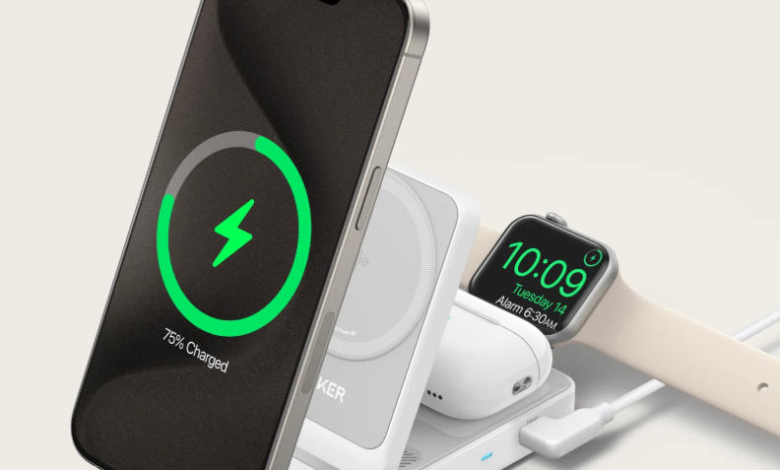
Wireless chargers have quietly become a favorite choice for nightstands, and the reason goes far beyond simple convenience. Nighttime is a unique moment in the daily technology cycle. People are tired, lighting is low, and attention is limited. Phones still matter at this time, acting as alarms, message hubs, and comfort objects before sleep. A charging method that feels gentle, predictable, and low-effort becomes especially valuable. Wireless chargers meet these needs by removing friction at the exact moment users want less interaction. By looking closely at bedtime habits and bedroom environments, it becomes clear why wireless chargers feel naturally suited to nightstands.
How Wireless Chargers Fit Nighttime Habits
Effortless Placement In Low-Light Conditions
Nightstands operate in dim or indirect lighting. Users do not want to search for charging ports or line up small connectors when they are already winding down. Wireless chargers simplify this action into a single motion. Users place the phone down and trust charging to begin. This behavior feels intuitive, even when half-asleep. Over time, the movement becomes automatic. The phone finds its spot without conscious effort. This simplicity matters at night because mental energy is low. Wireless chargers reduce the need for precision and visual confirmation, making them ideal companions in low-light, end-of-day moments.
Reduced Disruption Before Sleep
Bedtime routines benefit from fewer interruptions. Wired charging often invites extra interaction. Users look at the screen to confirm connection. They adjust the phone to avoid cable strain. Wireless chargers remove these steps entirely. Users place the phone down and let go. This action supports a cleaner mental break between active phone use and rest. Fewer touchpoints mean fewer chances to reopen apps or scroll. Wireless charging helps reinforce a natural stopping point, allowing the mind to settle more easily. That reduced disruption plays a quiet but meaningful role in healthier sleep habits.
A Predictable Place For The Phone
Wireless chargers encourage consistent phone placement on the nightstand. The charger becomes the phone’s home each night. This predictability reduces clutter and searching, especially in the morning. Users know exactly where the phone is without thinking. Consistent placement also lowers the risk of accidental drops or nighttime fumbling. Over time, this habit builds a sense of order and calm around bedtime routines. Wireless chargers shape this behavior naturally by making placement easy and repeatable, without requiring users to consciously manage their space.
Why Wireless Chargers Feel Better Beside The Bed
A Cleaner And Calmer Nightstand Space
Nightstands often hold essential items such as lamps, books, glasses, or water. Space is limited. Wireless chargers reduce visual clutter by eliminating loose cables. Fewer cords mean fewer tangles and distractions. The nightstand feels more intentional and balanced. This visual calm supports relaxation, which is essential in a bedroom environment. Wireless chargers blend into the space instead of dominating it. The phone charges quietly without becoming the focal point. This clean aesthetic aligns with how people want their bedrooms to feel: restful, simple, and uncluttered.
Gentle Charging That Feels Trustworthy
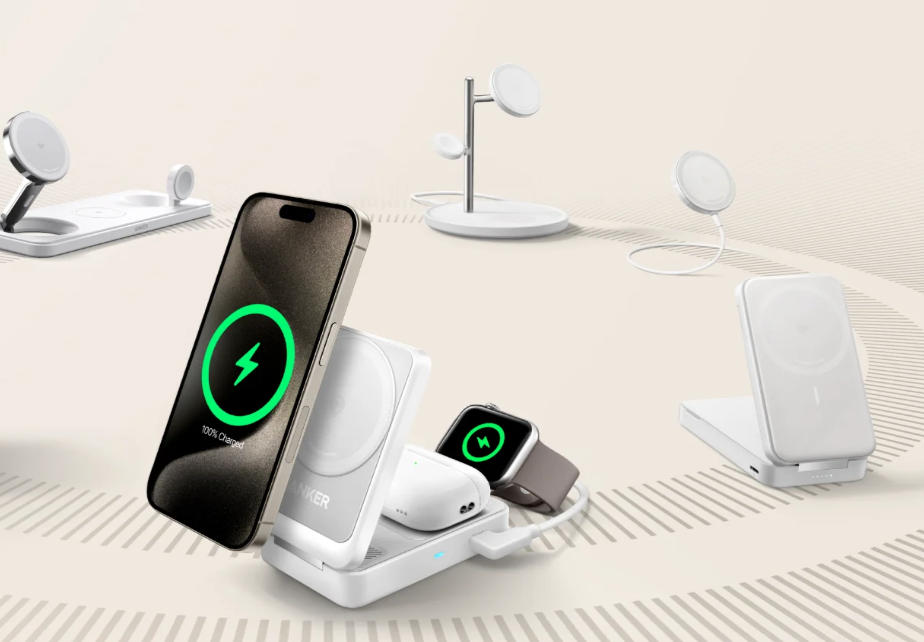
Overnight charging lasts for hours, and users want a solution that feels stable and reassuring. Wireless chargers provide that sense of reliability through consistent placement and steady behavior. Once the phone rests on the charger, users trust it to continue charging without interruption. This trust reduces the urge to check the phone before sleeping or during the night. Some users especially appreciate this feeling when using newer standards like the wireless charger, which emphasizes alignment and consistency. Famous brands such as Anker build around this expectation, focusing on dependable overnight experiences rather than attention-grabbing features.
A Smoother Morning Interaction
Wireless charging improves the morning routine as well. Users wake up and pick up their phone in one simple motion. There is no cable to unplug or manage. This ease sets a calmer tone for the day. The phone transitions smoothly from rest to use. Users silence alarms, check messages, or review schedules without fumbling. Over time, this frictionless interaction becomes part of the morning rhythm. Wireless chargers support both ends of the daily cycle by simplifying moments when energy and attention are at their lowest. Another quiet reason wireless chargers feel right on nightstands is emotional comfort. At night, people value certainty more than speed. They want reassurance without confirmation.
Conclusion
Users prefer wireless chargers for nightstands because they align perfectly with nighttime behavior and bedroom environments. Effortless placement suits low-light, tired moments. Reduced interaction helps create healthier boundaries before sleep. Consistent phone placement brings order and calm to the bedside. Cleaner nightstand spaces support relaxation. Gentle, predictable charging builds trust through the night. Smooth morning pickup completes the daily cycle. Together, these factors explain why wireless chargers feel especially at home beside the bed. With thoughtful designs from brands like Anker, wireless charging becomes part of a quiet nighttime ritual that values simplicity, comfort, and peace.