A Tool for Hard Ground and Hard Work
Across Australia, much of the work of building, mining, and developing land runs straight into rock, concrete, and compacted ground. Breaking up a concrete slab on a Sydney building site or splitting sandstone on a rural block in the hills is slow and brutal with hand tools. Ahydraulic breaker mounted to a skid steer, excavator, or backhoe delivers the percussive force needed to shatter hard material quickly. Understanding how the breaker works helps an operator use it safely and get long service from it.
How a Hydraulic Breaker Works
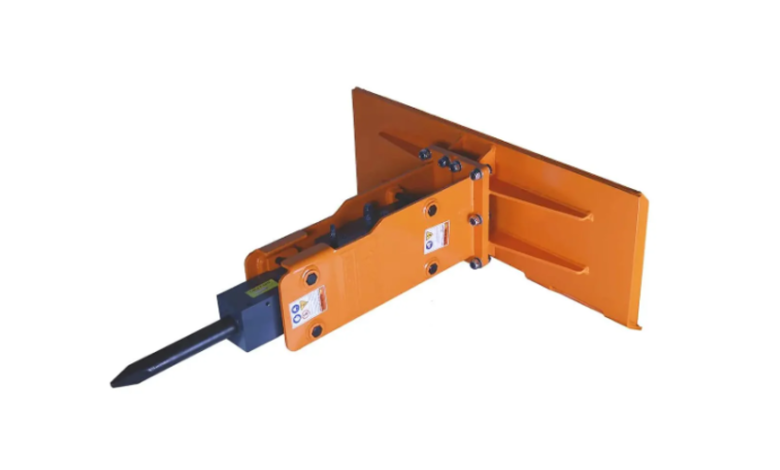
A hydraulic breaker is a percussion tool powered by the carrier machine’s hydraulic system. Oil under pressure drives a piston that strikes the back of a steel tool, or moil point, many times a second. Each blow transfers concentrated energy into the material, cracking concrete or rock that resists steady pressure. The carrier holds the breaker against the work, while the rapid hammering does the cutting, so the operator guides the tool rather than forcing it.
Matching the breaker to the carrier is essential. A breaker sized for machines in the thirty to seventy horsepower range suits the compact skid steers and backhoes common on Australian sites, drawing the hydraulic flow needed to drive the piston at full force without overloading the machine.
Efficiency, Safety, and Productivity
A breaker turns days of manual work into hours, but it must be used correctly to perform. Several factors decide how well it works:
- Hydraulic flow and pressure matched to the carrier machine
- The correct tool point for the material being broken
- Steady down-pressure without prying or levering the tool
- Repositioning rather than working one spot for too long
- Proper greasing of the tool at the recommended interval
An operator clearing rock for a footing near Ballarat works methodically across the face, breaking it into manageable pieces, rather than holding the breaker in one place where it would overheat and wear without progress. Reading the material this way, and attacking it from an edge where it can fracture freely, breaks far more rock for the same effort and spares the tool needless wear.
Safe Operation and Maintenance
The energy a breaker delivers demands respect. A short routine keeps it safe and sound:
- Keep people clear of flying fragments during operation
- Confirm the breaker is locked to the carrier before starting
- Grease the tool bushing as the maker specifies
- Inspect hoses and couplers for leaks before each shift
- Avoid blank firing, where the tool strikes with no material beneath it
What Buyers Should Weigh
Selecting a breaker is a value decision. Buyers should match the breaker’s size and hydraulic requirement to their carrier, confirm the mounting suits their machine, and check that tool points and seals are easy to source. Build quality at the piston and housing determines service life, and local parts support within Australia shortens downtime when a project cannot wait.
See also: The Business Impact of Strong Restaurant Branding
Where Demolition Tools Are Heading
As Australian contractors and landholders take on more of their own demolition and site work, attachment breakers that turn a compact machine into a rock-breaking tool keep growing in popularity. Matched to a suitable carrier and sound technique, the hydraulic breaker earns its place among the broader range of attachments and earthmoving equipment that operators across the country rely on.