Enhance Concert Visuals with Reliable Beam Lighting Solutions
Modern concerts are defined as much by their visual spectacle as by the music itself. Lighting transforms a stage into an immersive environment, guiding audience emotions and amplifying every beat. Yet event planners consistently face frustrating obstacles: equipment that fails mid-show, overly complex setups that consume hours of valuable production time, and fixtures that lack the intensity needed to cut through haze and atmosphere. These challenges don’t just waste resources—they diminish the audience experience that organizers work so hard to create.
Beam lights paired with DMX control technology offer a proven path forward. These solutions deliver the sharp, powerful aerial effects that define today’s most memorable performances while providing the reliability and intuitive management that busy production teams demand. Whether you’re lighting an intimate venue or a massive outdoor festival stage, the right beam lighting setup ensures consistent, vibrant visuals without the technical headaches. This article explores how beam lights work, how DMX simplifies their operation, strategies for challenging environments, and a practical implementation roadmap to help you elevate your next event.
The Essential Guide to Beam Lights for Concert Visuals
Beam lights are specialized fixtures designed to produce a narrow, concentrated beam of light that remains tight over long distances. At their core, they consist of a high-output lamp or LED source, a parabolic reflector that focuses light into a parallel beam, and precision optics including prisms and gobos that shape and split the output. Unlike wash lights that flood a broad area with soft illumination, beam lights create defined shafts of light that slice through darkness and haze with dramatic intensity.
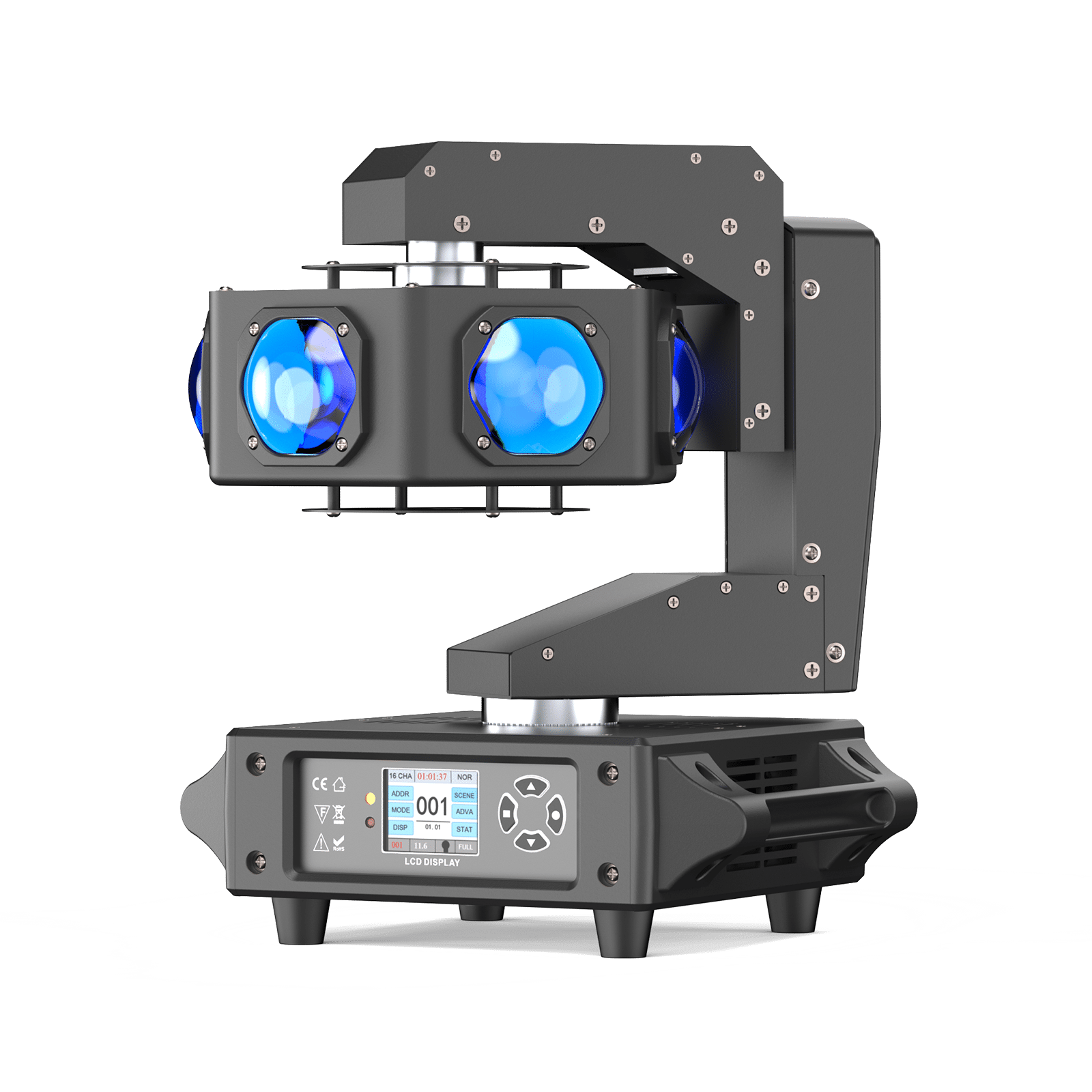
Their importance in concert production cannot be overstated. Beam lights generate the iconic aerial effects—sweeping rays, mid-air textures, and geometric patterns—that transform a flat stage into a three-dimensional visual landscape. When audiences see intersecting beams cutting through fog above the crowd, that’s the work of these fixtures creating depth and movement that photographs and videos capture beautifully.
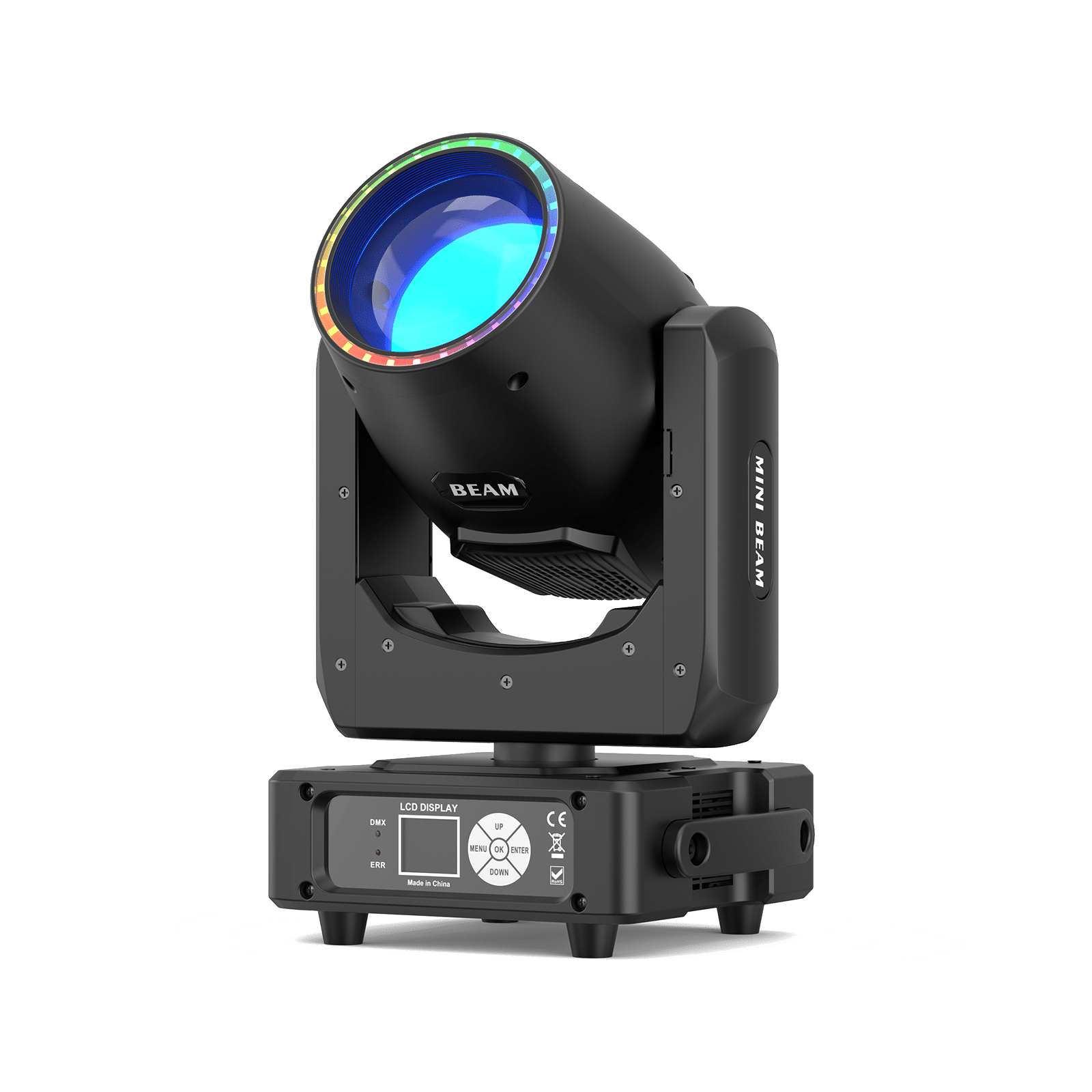
The synergy between beam lights and moving head technology amplifies their impact exponentially. Mounting beam optics on motorized pan-and-tilt heads allows designers to send those concentrated shafts in any direction at high speed, creating chases, fans, and sweeps that respond dynamically to musical changes. This combination delivers both precision and motion, enabling effects that static fixtures simply cannot achieve.
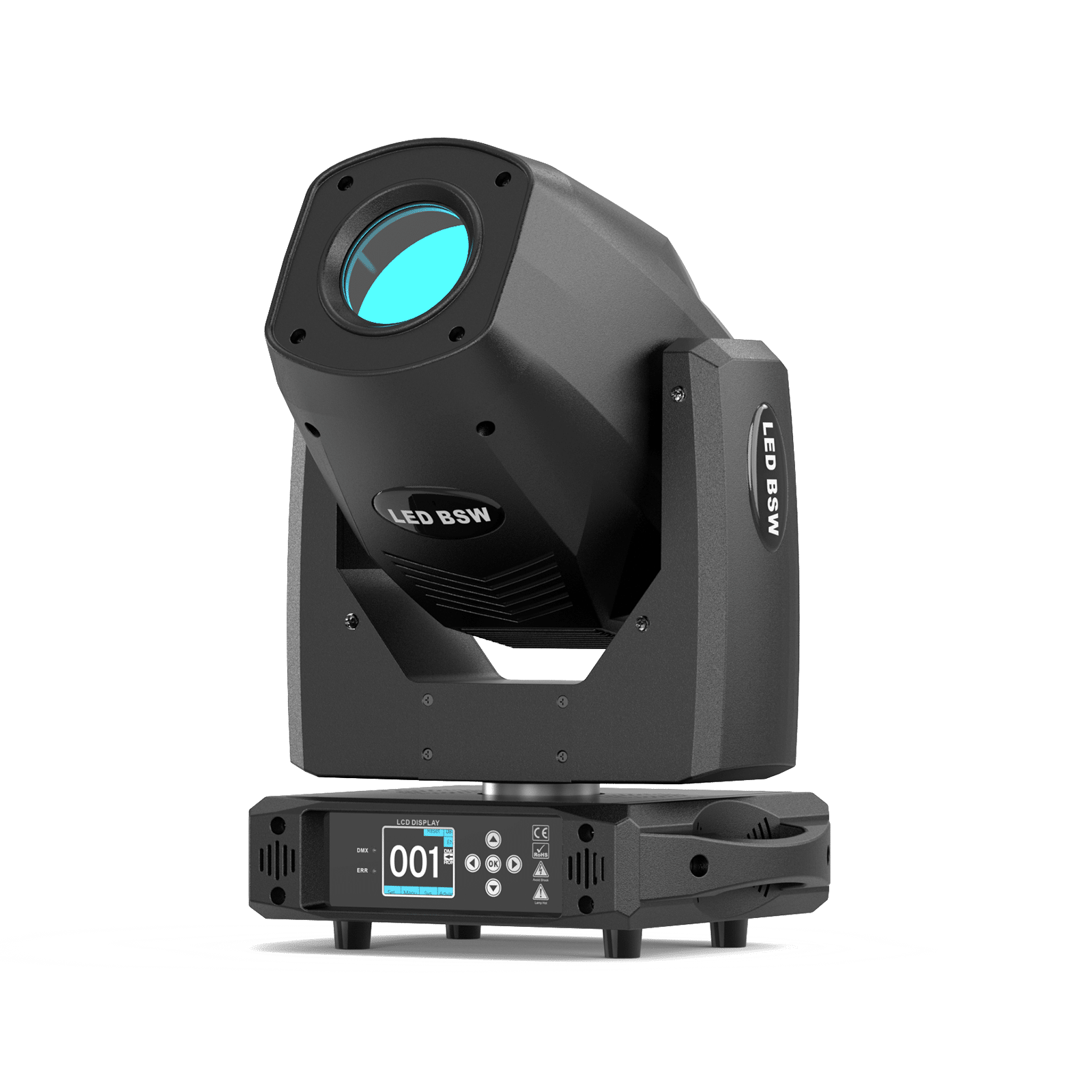
For event planners, beam lights offer several practical advantages: exceptional brightness that maintains visibility even in large venues, extensive color mixing capabilities through CMY or color wheel systems, and robust construction built to withstand the demands of touring. Their consistent output show after show means fewer surprises during performances, giving production teams confidence that their visual design will execute exactly as programmed.
Mastering DMX Control for Effortless Lighting Setup
DMX512, commonly known as DMX, is the standardized digital communication protocol that connects lighting controllers to fixtures across the entertainment industry. Operating through a simple daisy-chain of XLR cables, it transmits up to 512 channels of data per universe, with each channel controlling a single parameter—pan, tilt, color, intensity, gobo selection, or prism rotation. For beam lights with numerous controllable attributes, DMX provides the backbone that turns individual fixtures into a cohesive, choreographed system.
The protocol’s greatest strength for event planners lies in its ability to simplify complex operations. Rather than manually adjusting each fixture, operators program scenes and cues in advance, storing entire looks that can be recalled with a single button press. Real-time adjustments remain equally accessible—a lighting designer can override any parameter on the fly to match an unexpected tempo change or extend an encore. This balance between pre-programmed precision and live flexibility makes DMX indispensable for dynamic concert environments where no two shows unfold identically.
Scalability is another compelling advantage. Whether your rig includes eight beam lights or eighty, DMX accommodates growth without requiring a fundamentally different approach. Adding fixtures means assigning new addresses and updating your programming—not replacing your entire control infrastructure. Modern consoles also support multiple universes, so even the largest festival stages remain manageable from a single desk.
To integrate DMX effectively, start by assigning unique addresses to each fixture before hanging them, ensuring no channel conflicts. Use quality shielded cables and terminate your daisy chain properly to prevent signal degradation. Program your base looks during rehearsal when you can evaluate output without time pressure, and always save backup copies of your show files to a USB drive. These habits eliminate the most common sources of technical failure and keep your focus where it belongs—on delivering a stunning visual performance.
Optimizing Beam Lighting for Outdoor and High-Energy Events
Outdoor events introduce environmental variables that indoor venues simply don’t present. Wind, rain, dust, and temperature extremes all threaten lighting equipment, making fixture selection a critical decision rather than an afterthought. Beam lights destined for outdoor use must carry an IP65 or higher ingress protection rating, ensuring sealed housings that prevent moisture and particulate intrusion from reaching sensitive optics and electronics. Beyond the fixtures themselves, power distribution demands careful planning—outdoor stages often rely on generators, which can produce voltage fluctuations that damage unprotected equipment. Incorporating power conditioners and surge protectors into your electrical chain safeguards your investment and prevents mid-show failures caused by unstable current.
High-energy concerts compound these demands with relentless operational stress. Fixtures may run at full output for hours, cycling through rapid movements and color changes that tax motors and thermal management systems. Selecting beam lights with efficient heat dissipation—whether through forced-air cooling with filtered intakes or passive convection designs—ensures consistent performance without thermal shutdowns. Manufacturers like UKING have developed fixtures with durable stepper motors and reinforced pan-tilt mechanisms that withstand the aggressive programming high-energy shows require, where fixtures sweep continuously and reverse direction hundreds of times per performance.
Strategic positioning maximizes visual impact while protecting equipment. Elevating fixtures on truss towers keeps them above ground-level hazards like crowd movement and cable runs, while weather shields provide overhead protection without obstructing beam output. For festivals spanning multiple days, schedule brief maintenance windows between sets to inspect cable connections, clean external lenses of accumulated dust or moisture, and verify that mounting hardware remains secure after prolonged vibration exposure. Safety considerations extend to rigging practices—always use secondary safety cables on overhead fixtures, confirm load ratings on all truss points, and ensure that emergency power-down procedures are clearly communicated to all crew members. These precautions don’t slow production down; they prevent the catastrophic interruptions that derail entire performances.
Practical Solutions and Implementation Steps for Event Planners
Turning beam lighting concepts into executed visual designs requires a structured approach that accounts for your specific event context. The following steps guide you from initial planning through execution and ongoing maintenance, ensuring your investment in beam lighting delivers maximum impact with minimum frustration.
Step 1: Assessing Your Event Lighting Needs
Every successful lighting design begins with honest evaluation of your event’s parameters. Start by documenting the venue dimensions—ceiling height, stage width and depth, and the distance between the stage and the furthest audience member. These measurements directly determine how many beam fixtures you need and what output intensity will maintain visual punch at range. A 500-capacity club with a 4-meter ceiling demands a fundamentally different approach than a 10,000-seat amphitheater with open sky above. Next, define your visual goals by studying the performing artists’ aesthetic preferences and existing visual content. An EDM festival demands rapid, aggressive beam movements with saturated colors, while a symphonic rock performance might call for slower, more theatrical sweeps with subtle color transitions. Match your fixture count and type to these creative requirements rather than defaulting to a one-size-fits-all rig. Consider audience sightlines from multiple positions throughout the venue, ensuring beam effects remain visible whether someone stands front-center or off to the side. Finally, establish your budget and timeline constraints early, as these determine whether you purchase or rent equipment and how much rehearsal time you can allocate for programming.
Step 2: Configuring DMX for Seamless Control
With your fixture selection finalized, DMX configuration transforms individual lights into a unified visual instrument. Begin by creating a channel map—a spreadsheet documenting every fixture’s assigned DMX address, universe number, and physical position on your rig. This reference document prevents addressing conflicts and speeds troubleshooting during setup. Assign addresses sequentially by position group (downstage left, upstage center, truss-mounted) so that programming feels intuitive when building scenes. When cabling your system, run your DMX daisy chain in a logical physical order that mirrors your address assignments, using shielded five-pin XLR cables no longer than 300 meters total per run. Terminate the final fixture in each chain with a 120-ohm resistor to prevent signal reflection that causes flickering or erratic behavior. During programming, build your show in layers: establish base positions and intensities first, then add movement sequences, and finally integrate color and gobo changes. This layered approach lets you isolate problems quickly if something looks wrong during rehearsal. Save scene libraries organized by song or show segment, and program smooth crossfades between cues to avoid jarring transitions that break the audience’s immersion. A real-world example illustrates this process well—a regional touring act recently consolidated their lighting operation by standardizing DMX templates across venues, reducing their setup time from four hours to ninety minutes while maintaining consistent visual quality night after night.
Step 3: Troubleshooting and Maintenance Tips
Even well-planned systems encounter issues, and knowing how to resolve them quickly separates professional operations from amateur ones. The most common DMX problem is signal loss or corruption, which manifests as fixtures freezing, flickering, or responding to wrong commands. When this occurs, check your cable connections starting from the controller outward—a single loose XLR connector can disrupt every fixture downstream. Keep spare cables and terminators in your toolkit for immediate swaps. If individual fixtures behave erratically while others work correctly, verify their address settings haven’t been accidentally reset during transport, a frequent issue with fixtures that use DIP switches rather than digital menus. For synchronization problems where beam movements drift out of time with music, confirm that your console’s BPM tap tempo matches the actual track tempo, and verify that all fixtures are operating in the same DMX mode with identical channel counts. Preventive maintenance extends equipment lifespan dramatically—clean optical lenses and cooling fan filters after every three to five uses, inspect cable jackets for cuts or crimps that could short internally, and update fixture firmware when manufacturers release stability improvements. Store beam lights in padded flight cases with locking foam inserts that prevent internal components from shifting during transport. Production teams who adopt these maintenance routines consistently report fewer mid-show failures and lower annual replacement costs, protecting both their budget and their professional reputation.
Building Your Beam Lighting Strategy for Memorable Concert Experiences
Beam lights and DMX control together form the foundation of compelling concert visuals that audiences remember long after the final encore. Their combination delivers what event planners need most: powerful aerial effects that create depth and drama, paired with a control system that makes complex programming accessible and repeatable across any venue. The reliability of modern beam fixtures means fewer emergency substitutions and more confidence that your visual design will execute flawlessly, while DMX’s standardized protocol ensures that scaling your rig up or adapting to new spaces never requires starting from scratch.
For event planners ready to elevate their productions, the path forward is clear—invest in quality beam lighting with proper environmental ratings, commit to disciplined DMX practices, and build maintenance routines that protect your equipment over the long term. These steps transform lighting from a source of production anxiety into a creative asset that consistently enhances performer and audience experiences alike. As LED technology continues advancing and wireless DMX becomes increasingly robust, the tools available to lighting designers will only grow more powerful and more accessible, making this an ideal time to build your beam lighting capabilities for the events of tomorrow.