Getting young children outside to play is essential for their physical and mental development. Fresh air, sunshine, and active movement contribute to healthier bodies, better sleep patterns, and improved mood regulation. However, finding age-appropriate outdoor activities that truly engage toddlers while building foundational skills can be challenging for many parents.
Balance bikes have emerged as an exceptional tool for introducing toddlers to the world of cycling while simultaneously developing crucial motor skills. Unlike traditional tricycles or bikes with training wheels, balance bikes teach children the most important aspect of riding first: balance. By allowing toddlers to use their feet to propel and stop themselves, these pedal-free bikes build confidence, coordination, and spatial awareness naturally. Children learn to steer, lean into turns, and develop the core strength needed for future cycling success. The lightweight design makes them perfect for small riders who are just beginning to explore their physical capabilities and independence outdoors.
Introduction to Balance Bikes
Balance bikes are simple two-wheeled bicycles designed without pedals, chains, or training wheels. Instead of pedaling, toddlers propel themselves forward using their feet while seated, allowing them to focus entirely on learning balance and steering. This streamlined approach makes the transition to traditional pedal bikes remarkably smooth, often eliminating the need for training wheels altogether. Most children who master balance bikes can move directly to regular bicycles by age four or five, skipping the awkward phase of relying on stabilizers.
The benefits extend far beyond cycling preparation. Balance bikes strengthen leg muscles, improve coordination between left and right sides of the body, and enhance spatial awareness as children navigate turns and obstacles. They also build confidence through manageable challenges—toddlers can always catch themselves with their feet, reducing fear of falling. This sense of control encourages risk-taking in a safe environment, teaching children to assess their abilities realistically. Additionally, balance bikes promote independence as toddlers learn to mount, dismount, and maneuver without constant adult assistance. The lightweight construction means even young children can handle their bikes, fostering responsibility and ownership over their equipment while enjoying extended outdoor playtime that benefits their overall health and development.
Key Features to Consider
When selecting a balance bike 2 year old, prioritize safety above all else. Look for bikes with rounded edges, non-toxic finishes, and handlebars with protective grips to prevent injuries during falls. The seat should be well-padded and adjustable to accommodate your child’s growth, typically allowing inseam measurements from 10 to 16 inches. Weight matters significantly—choose bikes under six pounds so toddlers can easily maneuver and lift them independently. Frame material affects both weight and durability; aluminum frames offer excellent strength-to-weight ratios, while quality plastic or wood options work well for younger riders. Tire type impacts performance: air-filled tires provide better traction and shock absorption on varied terrain, while foam tires require zero maintenance and work perfectly on smooth surfaces. Check that the bike has a steering limiter to prevent overturning at sharp angles, especially for beginners. Ensure the footrest allows children to rest their feet comfortably when gliding. Finally, verify that all components are securely fastened and the bike meets relevant safety standards, giving you peace of mind as your toddler develops their riding skills.
Top Picks for Lightweight Balance Bikes
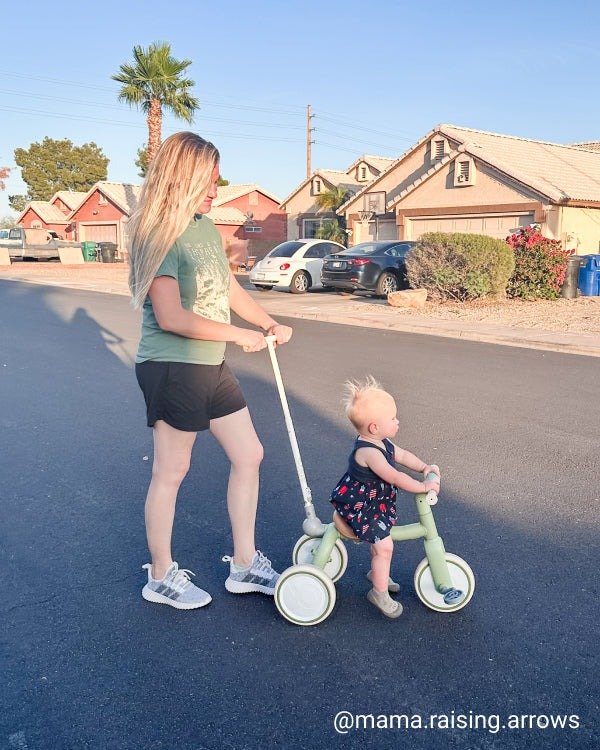
The market offers numerous lightweight balance bikes designed specifically for toddlers, each with distinct advantages. Strider bikes consistently rank among parents’ favorites, featuring ultra-lightweight aluminum frames that weigh around three pounds, making them ideal for children as young as 18 months. Their adjustable seats accommodate inseam measurements from 11 to 19 inches, ensuring years of use as your child grows. Another excellent option is the WOOM 1, engineered with child-specific geometry that positions toddlers perfectly for optimal balance learning. Its low step-through frame and lightweight construction at just over six pounds allow even hesitant riders to feel confident. For budget-conscious families, the Banana Bike LT offers remarkable value without compromising quality, featuring a sturdy yet lightweight design with foam tires that never go flat. Parents seeking eco-friendly options appreciate wooden balance bikes like the Kinderfeets, which combine sustainable materials with timeless aesthetics while maintaining the necessary lightweight profile. Brands like Kidpop have also entered the market with toddler-focused designs that emphasize ease of use and child-friendly features. When comparing options, consider your child’s current height and weight, the primary riding surface, and whether adjustability matters for long-term use. Test the bike’s weight by having your toddler lift it themselves—if they struggle, choose a lighter model. Remember that the best balance bike is one your child will actually ride, so involve them in selecting colors or styles that excite them about outdoor adventures.
Safety Features
Prioritizing safety features ensures your toddler’s riding experience remains positive and injury-free. Look for bikes with steering limiters that prevent the handlebars from turning beyond safe angles, reducing the risk of sudden falls from over-steering. Padded handlebar grips protect small hands during tumbles, while safety end caps prevent handlebar ends from causing injuries. Ensure the bike includes a cushioned, non-slip seat that keeps your child stable during movement. Check that all edges are rounded and smooth, with no sharp protrusions that could cause cuts or scrapes. The frame should sit low enough that your toddler can place both feet flat on the ground while seated, allowing them to stop confidently and catch themselves easily if balance wavers.
Durability
A durable balance bike withstands the inevitable bumps, drops, and weather exposure that come with active toddler use. Aluminum frames offer superior longevity compared to plastic, resisting rust and handling rough treatment without cracking. Examine weld quality and frame construction—reinforced joints indicate better durability. Puncture-proof foam tires eliminate flat tire frustrations, though air-filled tires with quality inner tubes can last years with proper maintenance. Weather-resistant finishes protect against rain and sun damage, preventing paint chips and frame deterioration. Check weight capacity ratings to ensure the bike will support your growing child throughout their balance bike years. Read manufacturer warranties as indicators of confidence in product durability—longer warranties typically signal better construction quality and materials that will endure outdoor adventures season after season.
Ease of Assembly
Most quality balance bikes arrive partially assembled, requiring only basic tools and minimal time to complete setup. Look for models with clear, illustrated instructions that guide you through each step without confusion. The best designs require attaching just the handlebars and seat, with pre-installed wheels and frames. Choose bikes with tool-free seat adjustments using quick-release clamps, allowing you to modify height as your child grows without searching for wrenches. Some manufacturers include all necessary tools in the package, eliminating trips to the garage for equipment. Before your toddler’s first ride, double-check that all bolts are properly tightened, the handlebars turn smoothly without wobbling, and the seat remains secure under pressure. Well-designed balance bikes should take no more than fifteen minutes to assemble completely.
User Reviews and Testimonials
Parents consistently praise lightweight balance bikes for transforming their toddlers into confident riders. Sarah from Portland shares that her two-year-old son mastered his Strider bike within days, quickly progressing from tentative steps to full gliding across their driveway. She notes how the lightweight frame allowed him to pick up the bike himself after falls, building independence she hadn’t expected so early. Michael, a father of twins, emphasizes how balance bikes eliminated sibling rivalry—both children progressed at their own pace without the frustration of training wheels. His daughter transitioned to a pedal bike at age four without any assistance, crediting the balance foundation she developed. Jennifer from Texas highlights the durability aspect, mentioning her balance bike survived three children and countless outdoor adventures while maintaining its functionality. She appreciates how the adjustable seat accommodated each child’s growth, making it a worthwhile investment. Many reviewers mention unexpected benefits beyond cycling skills—improved confidence in playground activities, better coordination during sports, and increased enthusiasm for outdoor time. Parents of cautious children particularly value how balance bikes provide security through foot control, helping hesitant toddlers overcome fears gradually while building physical skills that translate to other activities throughout childhood.
Tips for Parents
Start by measuring your toddler’s inseam while they’re wearing shoes—this measurement determines the correct seat height range you need. Your child should place both feet flat on the ground with a slight knee bend when seated, ensuring they can push off comfortably and stop safely. Consider where your toddler will ride most frequently; smooth sidewalks work well with foam tires, while parks and trails benefit from air-filled tires that absorb bumps. Introduce the balance bike gradually by letting your child walk with it first, building familiarity before attempting to glide. Always equip your toddler with a properly fitted helmet that sits level on their head, covering the forehead without tilting backward. Knee and elbow pads provide extra protection during the learning phase when falls occur more frequently. Supervise early rides closely, choosing flat, open areas free from traffic and obstacles. Encourage your child by celebrating small progress rather than pushing too hard—some toddlers take weeks to feel comfortable gliding. Adjust the seat height as your child grows, typically every few months during rapid growth periods. Store the bike in a dry location to prevent rust and weather damage, extending its lifespan for siblings or resale.
Making the Right Choice for Your Toddler
Selecting the best lightweight balance bike for your toddler sets the foundation for a lifetime of cycling enjoyment and physical confidence. The right bike combines essential safety features like steering limiters and padded grips with durable construction that withstands years of outdoor adventures. Weight matters significantly—choosing a bike your toddler can easily handle independently fosters the confidence and motor skills that extend far beyond cycling. Whether you prioritize eco-friendly wooden designs, ultra-lightweight aluminum frames, or budget-friendly options with foam tires, focus on proper fit above all else. Your child should comfortably reach the ground with both feet while seated, ensuring they feel secure as they learn to balance and glide. Remember that this investment pays dividends not only in cycling preparation but in developing coordination, spatial awareness, and the kind of outdoor enthusiasm that promotes healthy habits throughout childhood. By carefully considering safety features, durability, and your toddler’s specific needs, you’re choosing more than just a bike—you’re opening the door to countless hours of outdoor exploration, physical development, and the pure joy of movement that defines a healthy, active childhood.