Corporate wellness in the UAE has come a long way from free fruit and gym discounts. HR leaders are now looking for programs that make a visible difference to how people feel and perform at work. One of the fastest-growing options is breathwork. Fatemah AlMarzook, founder of S Motion, has guided breathwork for corporate teams across Dubai, and the requests have one thing in common: teams want practical tools for staying calm under pressure, not another talk about wellbeing.
So why are companies choosing breathwork, and what does it actually do for a team? This article looks at the reasons behind the trend, what a workplace session involves, and how to introduce it in a way your people will actually use.
For many organisations, the first step is simple: booking a group session of breathwork in Dubai for one team, measuring the response and building from there. It is low-cost, needs very little equipment and fits easily into a working day.
The Pressure Behind the Trend
Dubai is a high-performance city. Teams work across time zones, deal with fast growth and often juggle demanding clients with long hours. Many employees are also expats, living far from their usual support networks. The result is a workforce that is ambitious and capable, but often running on stress.
That stress has a cost for the business. It shows up as:
- Lower focus and more mistakes
- Tension and conflict between colleagues
- Higher sick leave and lower energy
- Burnout among top performers
- Staff turnover that is expensive to replace
Traditional wellness benefits do not always reach the root of the problem. A gym membership helps those who already exercise. A wellbeing webinar is often forgotten by the next morning. Breathwork offers something different: a skill people can use in the moment, at their desk, before a meeting or during a hard day.
What Breathwork Does for a Team
Breathwork uses intentional breathing patterns to shift the nervous system out of stress mode and into a calmer, more focused state. For a team, the benefits tend to show up in four areas.
Calmer Reactions Under Pressure
When people know how to settle their own stress response, they are less likely to snap, panic or shut down when things go wrong. A team that can pause and breathe before reacting makes better decisions.
Better Focus and Clearer Thinking
Slow, steady breathing helps people move from a scattered, reactive state into a more focused one. Many employees use a short breathing reset before deep work or important calls.
Stronger Connection Between Colleagues
Group breathwork is a shared experience. People who breathe together, often in silence, tend to feel more connected afterwards. It can be a powerful way to reset a team after a tough quarter, a merger or a period of change.
A Tool That Lasts
Unlike a one-off event, breathwork gives each person a practical skill they can keep using long after the session ends. That makes the investment go further.
What a Corporate Breathwork Session Looks Like
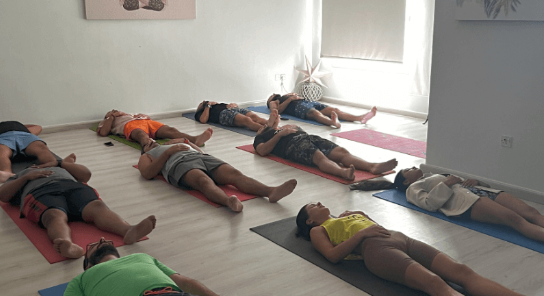
A typical workplace session runs for 60 to 90 minutes and can be held in a meeting room, a training space or online. A certified facilitator usually guides the group through:
- A short introduction to how stress and breathing are linked, in plain business language
- Simple techniques people can use at their desks, such as lengthening the exhale
- A guided breathing practice of 20 to 40 minutes, done seated or lying down
- Quiet reflection and sharing, kept optional and comfortable for everyone
- Take-home practices so people can keep going on their own
No previous experience is needed, and nobody is asked to do anything that feels uncomfortable. A good facilitator will check for health conditions beforehand and adapt the practice for anyone who needs it.
One Session or a Full Program?
A single session is a good way to test interest. It gives employees a taste of the practice and gives HR useful feedback. But lasting change usually comes from repetition.
Many companies move on to a structured program. These often combine regular group breathwork with coaching, so teams build both the physical skill of staying calm and the mental skill of handling pressure well. For example, a 90-day program might include monthly group sessions, short weekly practices and coaching for managers who set the tone for their teams.
The right format depends on your goals. Are you trying to reduce burnout, support a team through change, improve leadership presence or simply show your people that their wellbeing matters? Clarify the goal first, then choose the format.
How to Introduce Breathwork at Work
Even the best program will fail if people do not show up. A few simple steps help:
- Start with leaders. When managers attend and speak openly about it, employees follow.
- Keep it optional but visible. Make sessions easy to join and put them in the calendar like any other meeting.
- Use simple language. Talk about focus, energy and handling pressure, not just relaxation.
- Choose a qualified facilitator. Look for proper certification, corporate experience and a clear approach to safety.
- Ask for feedback. Short surveys before and after a session help you measure impact and plan next steps.
How to Measure the Impact
Wellness budgets are easier to defend when you can show results. You do not need complex tools to track whether breathwork is working. A few simple measures go a long way:
- Before-and-after check-ins: ask employees to rate their stress, energy and focus on a scale of one to ten before the first session and again after a few weeks.
- Attendance over time: steady or growing attendance is a strong sign that people find the sessions useful.
- Manager observations: ask team leads whether they notice calmer meetings, fewer conflicts or better recovery after busy periods.
- Existing HR data: keep an eye on sick days, engagement survey scores and staff turnover over the following months.
Share what you learn with the team. When people see that their feedback shapes the program, they are more likely to stay involved.
Is Breathwork Right for Your Company?
Breathwork works best in organisations that are willing to treat wellbeing as part of performance rather than a box to tick. If your teams are under sustained pressure, if burnout is a growing concern, or if you want to give your people a practical skill rather than another perk, it is worth exploring.
Start small. Book one session for one team, listen to what people say and build from there. In a city that rarely slows down, giving your people a way to breathe properly may be one of the simplest and most effective investments you make this year.
About the author: Fatemah AlMarzook is the founder of S Motion in Dubai, a certified Transformational Breath® facilitator and ICF-certified coach. She designs corporate breathwork and coaching programs that help UAE teams stay calm, focused and connected under pressure.