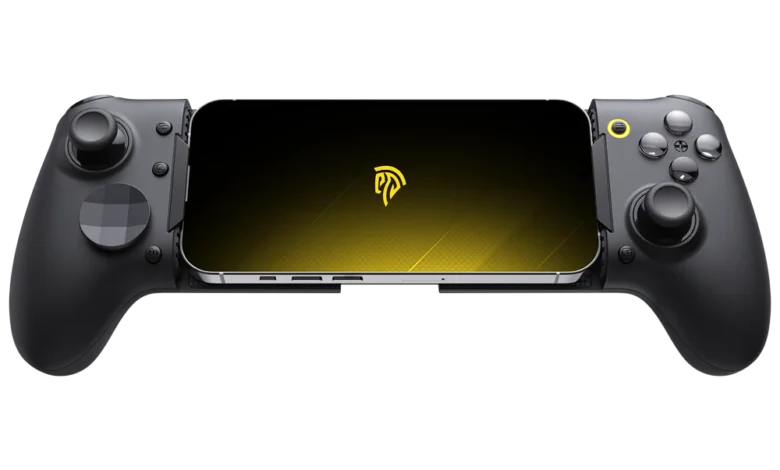
You’re deep into a mobile RPG on your commute, then switch to the same title on your PC at home, only to realize your console controller doesn’t pair with your phone and your phone clip feels awkward at best. If you’ve ever juggled multiple controllers across devices or settled for clunky workarounds, you know the frustration of multiplatform gaming without the right gear. Enter the telescopic controller—a device that stretches to cradle your smartphone, yet functions as a full-featured gamepad for consoles and PCs alike. Its expandable design and broad compatibility make it an increasingly popular choice among gamers who refuse to be locked into a single ecosystem.
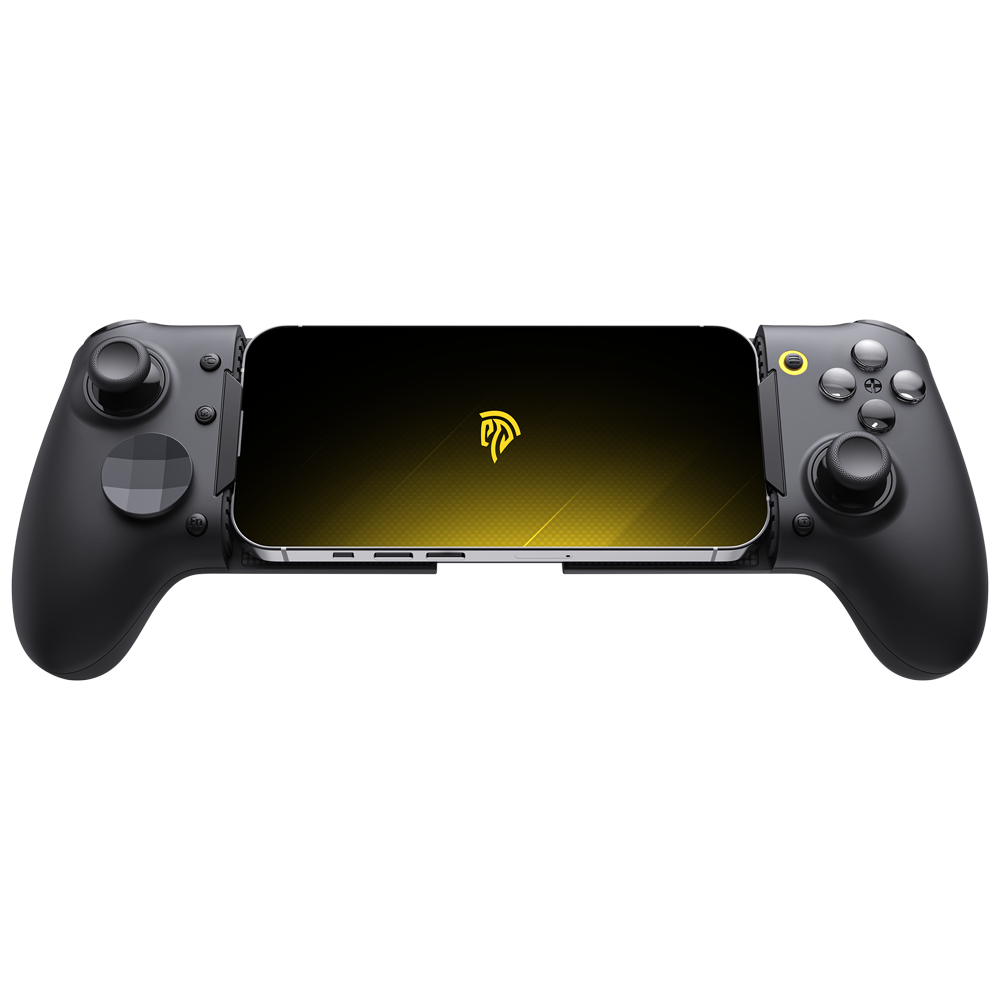
But are telescopic controllers truly the best option for someone who games across multiple platforms? In this article, we’ll explore their core benefits, dive into performance-defining features like Hall Effect sensors and trigger locks, and evaluate a real-world option—the EasySMX X20—to help you determine whether this form factor deserves a permanent spot in your gaming setup. Whether you’re a casual player seeking simplicity or someone who wants precision without the clutter, the answer might surprise you.
The Evolution of Gaming Controllers: Enter the Telescopic Controller
A telescopic controller is a gamepad that expands horizontally, with two halves connected by a spring-loaded or sliding mechanism designed to grip a smartphone between them—much like how a Nintendo Switch holds its screen between Joy-Cons. Unlike traditional fixed-size controllers that require a separate phone clip or stand, the telescopic design integrates the mounting solution directly into the controller’s body, creating a compact, handheld console-like experience.
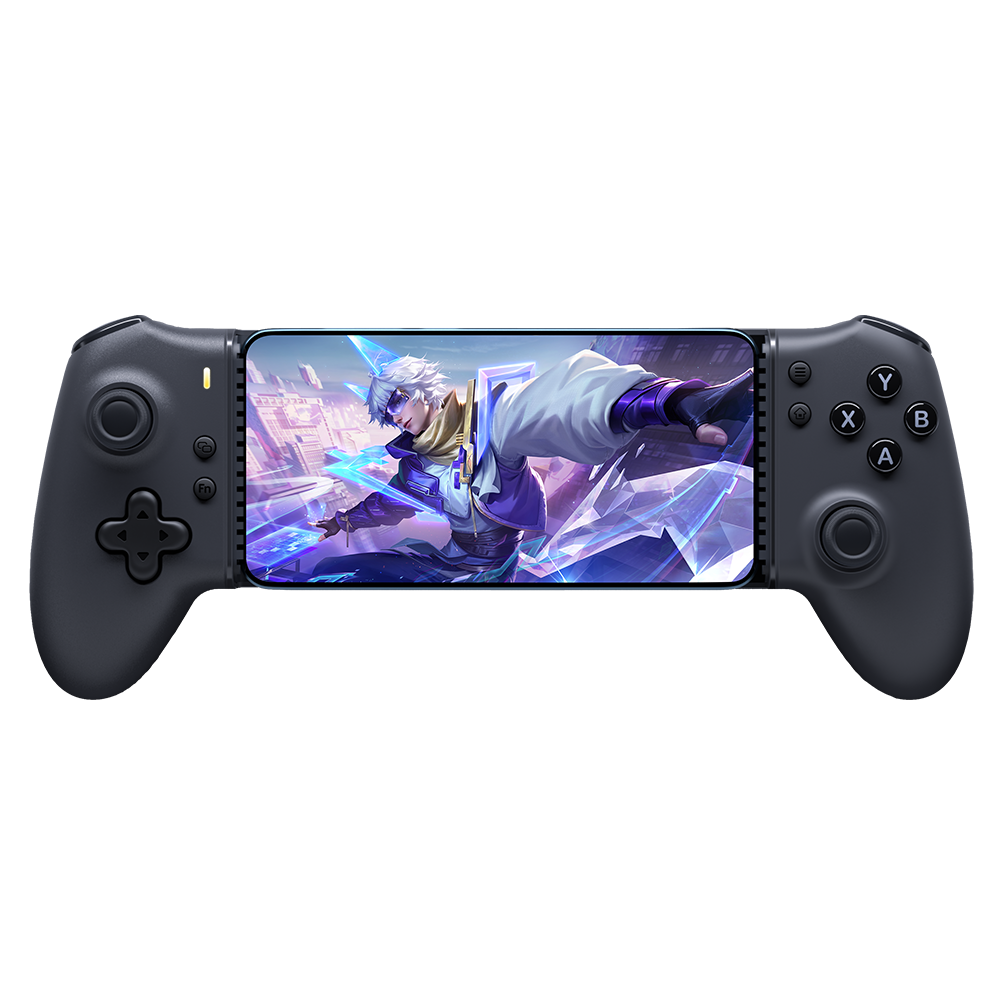
Gaming controllers have evolved dramatically over the decades. From the rigid, single-purpose joysticks of early arcades to wireless console gamepads and eventually mobile-compatible peripherals, each generation has responded to how and where people play. The rise of cloud gaming services and cross-platform titles accelerated demand for a controller that could work everywhere without compromise. The telescopic form factor emerged as a natural answer to this demand. Its adjustable width accommodates phones and smaller tablets of varying sizes, while its standard button layout and wireless connectivity allow it to function identically on PCs and consoles. This means one device travels with you across every platform—no adapters, no clips, no second controller stuffed in your bag. For gamers who split time between a phone on the bus and a desktop at home, that seamless transition is the telescopic controller’s defining advantage.
Why Multiplatform Gaming Demands Specialized Controllers
The lines between gaming platforms have blurred considerably. Casual gamers increasingly start a session on their phone during lunch, continue on a Nintendo Switch during their commute, and finish on a PC at home. Cloud gaming services like Xbox Cloud Gaming and GeForce NOW have made this fluidity not just possible but expected. Yet the hardware hasn’t always kept pace with this lifestyle shift, creating real friction for players who move between ecosystems daily.
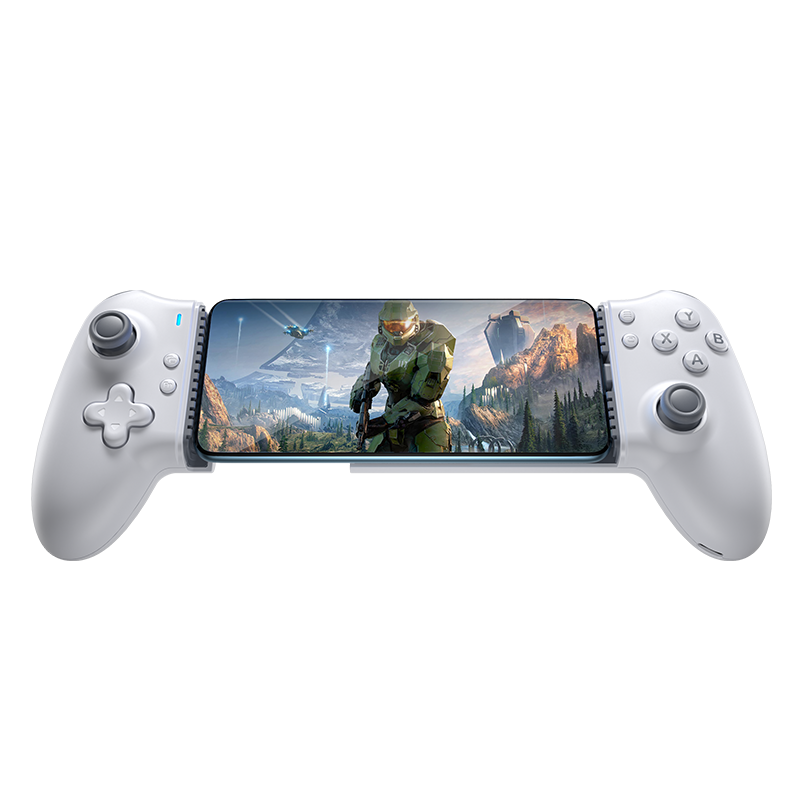
The pain points are familiar to anyone who’s tried: a PlayStation controller won’t natively connect to most Android phones, a dedicated mobile gamepad feels cheap on PC, and carrying separate controllers for each platform is impractical and expensive. Bluetooth pairing conflicts, inconsistent button mapping, and the constant hunt for the right adapter turn what should be seamless fun into a logistics exercise. Performance also suffers—a controller optimized for one platform often delivers laggy or imprecise input on another.
A true multiplatform gaming controller eliminates these headaches by design. One device, one set of muscle memory, one charging cable. The cost savings alone are significant when you replace two or three separate peripherals with a single unit. Beyond your wallet, there’s the reduced clutter—no drawer full of half-charged gamepads and tangled cables. For casual gamers who value simplicity and just want to pick up and play regardless of the screen in front of them, a controller built from the ground up for cross-platform use isn’t a luxury. It’s the most efficient path to actually enjoying your games instead of troubleshooting your setup.
Essential Features for Superior Performance: Hall Effect Sensors and Trigger Locks
Not all controllers are created equal, and knowing which features actually matter can save you from buyer’s remorse. For casual gamers looking to elevate their experience without diving into professional-grade complexity, two technologies stand out as genuine game-changers: Hall Effect sensors and trigger locks.
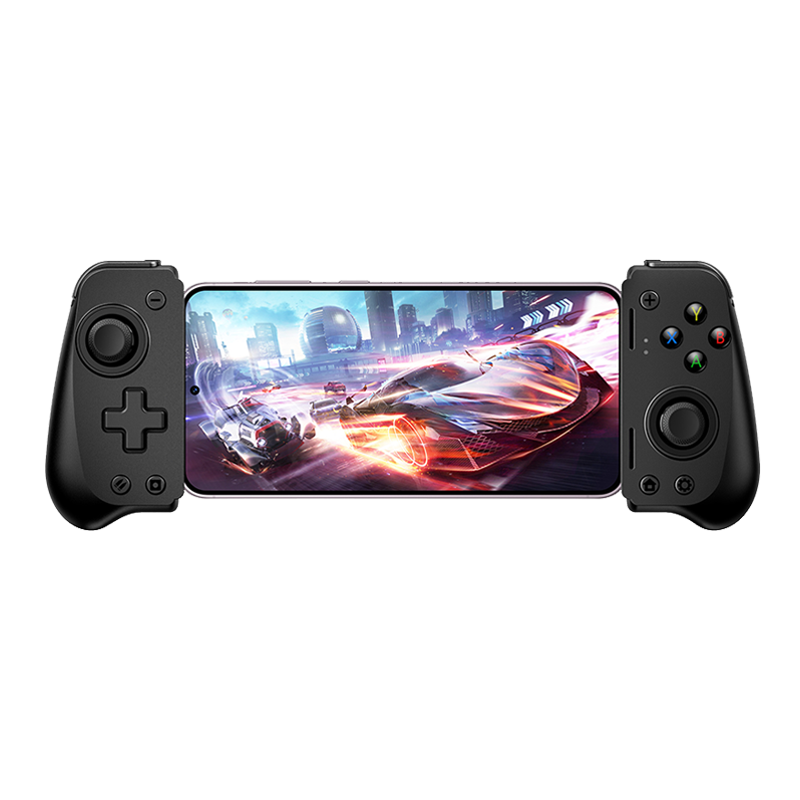
Hall Effect sensors use magnets rather than physical contact to detect joystick position. Traditional potentiometer-based sticks rely on resistive materials that wear down over time, eventually causing the dreaded “stick drift”—phantom inputs that make your character walk without you touching anything. Hall Effect sensors eliminate this problem entirely because there’s no friction between components. The result is not only a longer lifespan but also smoother, more precise analog input from day one. For gamers who play across multiple platforms and rely on one controller for everything, this durability means your single investment lasts years instead of months.
Trigger locks serve a different but equally practical purpose. They allow you to toggle your triggers between full analog range and a short digital click. Playing a racing game that demands gradual throttle control? Use the full analog sweep. Jumping into a shooter where you need instant fire response? Flip the lock and reduce trigger travel to a hair-trigger press. This mechanical switch gives you genre-specific optimization without needing separate controllers or software profiles, directly improving responsiveness across the varied games multiplatform users tend to play.
Beyond the Basics: Additional Performance Features
Ergonomics matter more than most casual gamers realize—extended sessions with a poorly shaped controller lead to hand fatigue and cramping that cuts play short. Look for contoured grips and balanced weight distribution. Customizable buttons or back paddles add flexibility, letting you remap controls to suit each platform’s conventions without menu-diving. On the connectivity front, dual-mode Bluetooth and USB-C wired options ensure low-latency connections on PC while maintaining wireless freedom on mobile. Battery life should comfortably exceed 10 hours so you’re not tethered to a charging cable mid-session. Together, these elements round out a controller that feels as good on hour five as it does on minute one.
Spotlight on the EasySMX X20: A Telescopic Controller in Action
Theory is useful, but seeing how features come together in an actual product makes the decision more tangible. The EasySMX X20 serves as a solid case study of what a modern telescopic controller can deliver to casual multiplatform gamers. Its expandable frame stretches to accommodate smartphones up to 6.8 inches, locking them securely between two ergonomic halves that feel balanced in hand rather than top-heavy—a common complaint with phone clip setups on traditional gamepads.
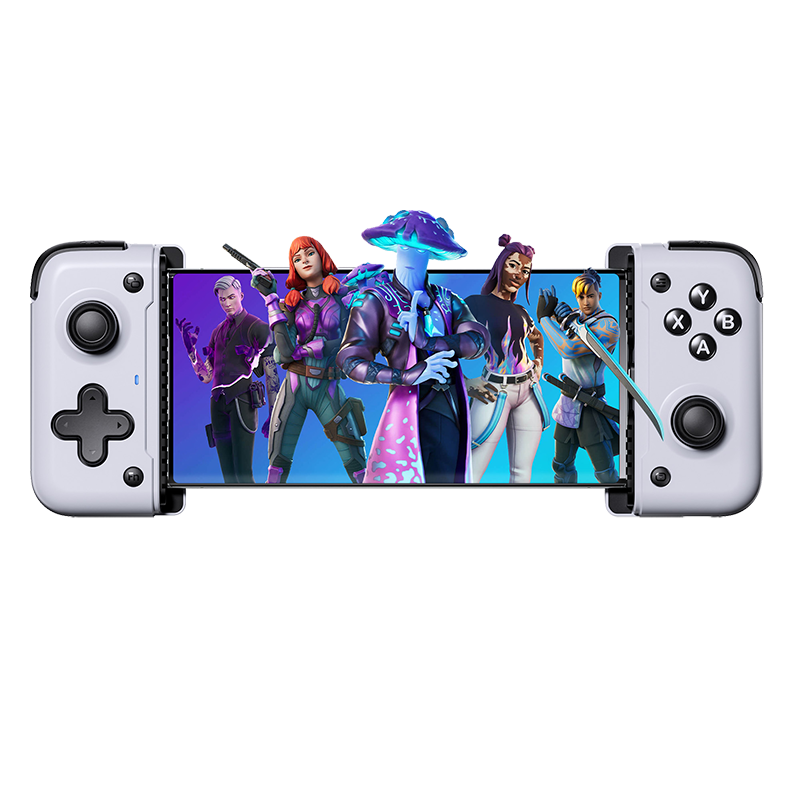
Where the X20 earns particular attention is its implementation of Hall Effect joysticks and Hall Effect triggers. The sticks deliver smooth, drift-free input out of the box, and because there’s no mechanical wear happening inside, that precision holds up over thousands of hours. The trigger locks snap cleanly between full analog mode and shortened digital mode, letting you adapt on the fly between a racing sim and a fast-paced shooter without pausing to adjust software settings. It’s a physical toggle that takes less than a second.
Compatibility spans PC, Nintendo Switch, Android, and iOS, covering the platforms most casual gamers rotate between. Switching between devices is straightforward, with dedicated connection modes rather than finicky re-pairing processes. From a casual gamer’s perspective, the X20 hits a practical sweet spot: it consolidates multiple peripherals into one portable package without sacrificing the input quality you’d expect from a dedicated console controller. The main trade-off is that its telescopic width means it won’t feel identical to a full-size Xbox or PlayStation pad, but for the versatility gained, most users find that adjustment minor. As a benchmark for what this category can offer, the X20 demonstrates that telescopic controllers aren’t just convenient—they’re genuinely capable.
How to Choose Your Ideal Telescopic Controller: A Step-by-Step Guide
Finding the right telescopic controller doesn’t require deep technical knowledge—just a structured approach that matches your actual habits to the right hardware. Start by assessing your primary gaming platforms. If you split time evenly between Android and PC, prioritize controllers with seamless dual-mode connectivity. If Nintendo Switch is in your rotation, confirm native compatibility before anything else.

Next, prioritize core features based on the genres you play most. Shooters and action games benefit enormously from Hall Effect sensors and trigger locks, while puzzle or turn-based games may not demand that level of precision—though the drift-free longevity still pays off long-term. Third, physically evaluate ergonomics if possible. A controller you’ll hold for hours needs comfortable grips and balanced weight, especially with a phone mounted inside. Fourth, verify that connectivity matches your setup—Bluetooth for mobile freedom, USB-C wired mode for lag-sensitive PC gaming—and confirm battery life exceeds your longest typical session without needing a charge.
Fifth, read user reviews from people with similar platform combinations to yours. Use the EasySMX X20 as a benchmark: does a competing model match its Hall Effect implementation, trigger lock versatility, and four-platform support? If not, what does it offer instead? Finally, set a realistic budget. A single quality telescopic controller replaces multiple cheaper peripherals, so frame the cost against what you’d spend on two or three separate gamepads. Make your decision based on which model checks the most boxes for your specific gaming life rather than chasing specs you’ll never use.

Why Telescopic Controllers Are the Smartest Choice for Multiplatform Gamers
Telescopic controllers have earned their place as one of the strongest options for multiplatform gaming, and the reasoning is straightforward. Their expandable design eliminates the need for phone clips, adapters, and multiple gamepads cluttering your desk or bag. More importantly, the best models integrate technologies that genuinely improve gameplay rather than just adding marketing bullet points. Hall Effect sensors solve the stick drift problem that plagues traditional controllers, delivering precision that holds up across years of use—critical when one device serves as your sole gamepad across every platform. Trigger locks add instant adaptability between genres, giving you mechanical customization that previously required owning separate controllers or fiddling with software profiles.
Is a telescopic controller definitively the “best” for every gamer? That depends on your priorities. If you game exclusively on one platform with a full-size pad, you may not need the versatility. But for anyone who regularly moves between phone, PC, and Switch—which describes an ever-growing number of casual players—this form factor offers the most efficient, capable solution available today. Models like the EasySMX X20 demonstrate that you don’t sacrifice quality for convenience. The smartest approach is to match features to your actual habits: identify the platforms you use, the genres you play, and the sessions you keep, then choose accordingly. When the right telescopic controller fits your gaming life, it doesn’t just simplify your setup—it makes every platform feel like home.