you’ve spent hours perfecting your mojitos, selecting premium rum, and muddling fresh mint only to watch your guests’ drinks turn into watery, flavorless puddles within minutes. The culprit isn’t your recipe or your technique. It’s the ice. Standard ice cubes from your freezer tray melt too fast, flood your cocktails with excess water, and rob every sip of its intended balance. For anyone serious about their home bar, this is a frustrating and all-too-common problem.
Enter pellet ice — sometimes called nugget ice or soft ice — the same chewable, perfectly textured ice you’ve probably loved at your favorite restaurant or fast-food chain. Unlike dense, hard cubes, pellet ice is light, porous, and melts at a slower, more controlled pace, keeping drinks cold without drowning them. A dedicated pellet ice maker brings this professional-grade ice directly to your countertop, transforming how you entertain. In this article, we’ll explore exactly why a pellet ice maker deserves a permanent spot in your home bar, from the science behind its superior performance to choosing the right machine and keeping it in peak condition.
The Science and Sensation of Pellet Ice for Cocktails
What is Nugget Ice and Why is it “Soft”?
Pellet ice — often called nugget ice or soft ice — is made through a process fundamentally different from how your freezer produces standard cubes. Instead of freezing water in a solid mold, a pellet ice maker uses an auger system to scrape thin layers of ice from a chilled cylinder, then compresses those flakes into small, irregularly shaped nuggets. The result is ice that’s full of tiny air pockets, giving it a light, porous structure you can actually chew through without cracking a tooth. That’s why it earns the “soft” label — it absorbs the flavor of whatever drink surrounds it while maintaining a satisfying crunch. This texture is exactly what’s made nugget ice a cult favorite at restaurants and drive-throughs for decades, and it’s the same quality that transforms a home bar from amateur to exceptional.
The Role of Pellet Ice in Professional-Quality Cocktails
When it comes to cocktails, pellet ice does three things that standard cubes simply can’t match. First, its porous structure creates more surface area contact with the liquid, cooling drinks rapidly and evenly without the aggressive dilution that large, solid cubes cause as they crack under thermal shock. A whiskey sour or a gin and tonic stays balanced from the first sip to the last. Second, that gentle, controlled melt preserves the volatile aromatics — the citrus oils, herbal notes, and botanical essences — that define a well-crafted cocktail. You actually smell and taste what you intended. Third, there’s the visual and tactile appeal: a glass packed with glistening, cloud-like nugget ice looks inviting and feels intentional, signaling to your guests that every detail has been considered. For home bar enthusiasts striving for professional results, pellet ice isn’t a luxury — it’s the difference between a drink that impresses and one that simply exists.
Choosing the Right Pellet Ice Maker for Your Home Bar
Essential Features to Look for in a Pellet Ice Maker
Not every pellet ice maker is built for the demands of a home bar, so knowing what to prioritize saves you from buyer’s remorse. Daily ice production capacity matters most — if you regularly host groups of four to eight people, you’ll want a machine that produces at least 26 to 33 pounds of ice per day, ensuring you never run dry mid-party. Storage bin size is equally critical, because a machine that makes ice quickly but holds very little forces you into constant batch management. Look for bins that hold a minimum of three pounds at a time, giving you a comfortable buffer during peak entertaining hours.
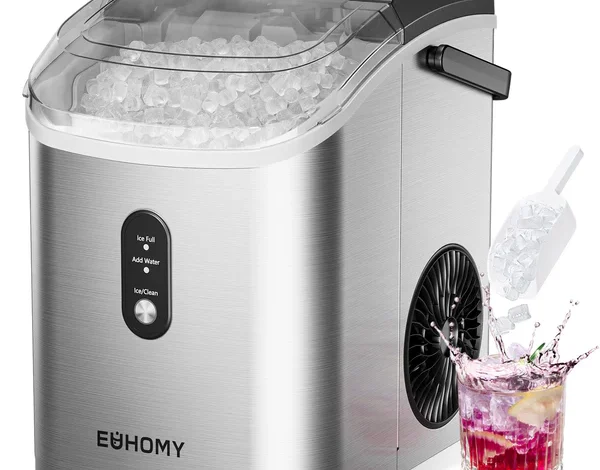
Energy efficiency is another factor worth scrutinizing. A pellet ice maker that runs continuously throughout an evening shouldn’t spike your electricity bill noticeably, so check for models with automatic shut-off features that pause production when the bin is full and restart when ice levels drop. Noise level deserves attention too — a machine humming loudly behind the bar undermines the atmosphere you’ve worked to create. Seek units rated below 45 decibels, roughly the volume of a quiet library. Finally, ease of use should feel effortless: intuitive controls, a straightforward water reservoir system, and a self-cleaning function eliminate unnecessary friction between you and perfectly chilled drinks. Brands like Euhomy have gained a following among home bar enthusiasts for offering countertop models that check many of these boxes without requiring a steep investment.
Integrating Your Ice Maker into a Home Bar Setup
Where you place your pellet ice maker shapes both its performance and your bar’s overall aesthetic. Position the unit on a stable, level surface near a power outlet, leaving at least three inches of clearance on all sides for proper ventilation — restricted airflow forces the compressor to work harder and shortens the machine’s lifespan. If your bar features an under-counter cabinet, some compact models are designed to fit neatly into that space, keeping the countertop uncluttered while maintaining easy access to the ice bin. For open-concept bars, choose a machine with a sleek, stainless-steel or matte finish that complements your existing barware and shelving rather than clashing with it. Consider proximity to your mixing station as well; placing the ice maker within arm’s reach of your shaker and glassware creates a seamless workflow, so you spend less time walking back and forth and more time engaging with guests. If your home bar lacks a direct water line, portable countertop models with refillable reservoirs offer complete flexibility — just fill, plug in, and start producing nugget ice without any plumbing modifications.
Practical Maintenance and Care for Your Pellet Ice Maker
Simple Cleaning Steps to Keep Your Ice Maker Running Smoothly
A pellet ice maker that’s neglected quickly becomes a pellet ice maker that underperforms — or worse, produces ice with off-putting tastes and odors. The good news is that maintaining one requires minimal effort when you follow a consistent schedule. Every two weeks, empty the ice bin completely, unplug the machine, and wipe down all interior surfaces with a solution of warm water and a tablespoon of white vinegar or a food-safe ice maker cleaner. Pay special attention to the auger mechanism and the water reservoir, where mineral deposits tend to accumulate first. Rinse thoroughly with clean water afterward to ensure no cleaning residue transfers to your next batch of ice.
Descaling should happen once a month, especially if you live in an area with hard water. Mineral buildup coats the internal components, forcing the machine to work harder and producing smaller, less consistent nuggets. Run a descaling solution through a full cycle according to your machine’s manual, then flush with two or three cycles of fresh water before resuming normal production. If your model includes a water filter, replace it every three to six months — a clogged filter restricts water flow and introduces impurities that compromise both ice clarity and flavor. Many machines with self-cleaning functions simplify this process considerably; activating that cycle once a week between deeper manual cleanings keeps things running with almost no hands-on effort.
Ensuring Consistent Ice Quality Through Proper Upkeep
Maintenance isn’t just about preventing breakdowns — it directly determines whether your pellet ice maker continues producing the soft, chewable nuggets that make it worth owning. When scale builds on the freezing cylinder, the auger can’t scrape ice efficiently, resulting in mushy, inconsistent pieces that melt too fast and dilute your cocktails unevenly. Stale water sitting in the reservoir for days introduces a flat, plasticky taste that no amount of premium bourbon can mask. By draining and refilling the reservoir with fresh water before each entertaining session, you guarantee that every nugget tastes clean and neutral. If you notice your machine producing ice more slowly than usual, or if the nuggets seem softer or smaller than normal, check for airflow obstructions around the unit and inspect the condenser coils for dust accumulation — a quick wipe with a dry cloth often restores full performance. Treating your pellet ice maker with the same care you give your cocktail tools ensures it remains a reliable centerpiece of your home bar for years.
The Ultimate Benefits: Why Pellet Ice Makers Elevate Home Bars
From Taste to Presentation: The Game-Changing Impact
Once you’ve experienced the difference a pellet ice maker brings to your home bar, going back to standard freezer cubes feels like a downgrade you can’t ignore. Every cocktail you serve benefits from improved consistency — the controlled melt rate means a margarita poured for the first guest tastes just as balanced as one made twenty minutes later. Your old fashioneds hold their character, your highballs stay crisp, and even simple pours over ice feel more refined. Beyond flavor, the visual transformation is striking. A rocks glass filled with glistening nugget ice catches light differently, looks fuller and more inviting, and signals to guests that you’ve put genuine thought into every element of the experience. That attention to detail sparks conversation, earns compliments, and turns a casual evening into something memorable. Guests linger longer, try more of your creations, and leave talking about your bar — not because you spent a fortune on rare spirits, but because every drink felt intentionally crafted from glass to garnish.
Long-Term Value for Home Bar Enthusiasts
A pellet ice maker also proves its worth financially over time. Buying bags of specialty ice from grocery stores or gas stations adds up surprisingly fast, especially if you entertain regularly — a single summer of weekend gatherings can easily cost more in bagged ice than the machine itself. With a dedicated unit on your countertop, you produce fresh nugget ice on demand without leaving the house or planning around store hours. Modern machines are built to last several years with basic maintenance, and their energy consumption during operation remains modest enough that you won’t notice a meaningful change in your utility costs. There’s also an intangible value that’s hard to overstate: the simple reliability of knowing that whenever inspiration strikes — a spontaneous Tuesday evening cocktail, an impromptu gathering with neighbors — you have professional-quality ice ready within minutes. For home bar enthusiasts who view their setup as an extension of their personality and hospitality, a pellet ice maker isn’t just another appliance. It’s the piece that ties everything together.
Why Pellet Ice Is the Key to a Better Home Bar
The difference between a good home bar and a great one often comes down to details most people overlook — and ice sits at the top of that list. Pellet ice, with its porous structure, controlled melt rate, and satisfying chewable texture, solves the single biggest problem home bartenders face: drinks that lose their balance before guests can fully enjoy them. Choosing the right pellet ice maker means paying attention to production capacity, storage size, noise levels, and how well the unit fits your bar’s layout and workflow. Once it’s in place, a straightforward maintenance routine — regular cleaning, monthly descaling, timely filter changes, and fresh water before each session — keeps the machine producing consistent, clean-tasting nuggets for years without hassle.
The payoff extends well beyond better-tasting cocktails. You save money on bagged ice, eliminate last-minute store runs, and gain the confidence that every drink you serve reflects genuine care and craftsmanship. For anyone who treats their home bar as more than just a shelf with bottles, a pellet ice maker is the investment that pulls everything together. Prioritize your ice, and everything you pour over it gets better.