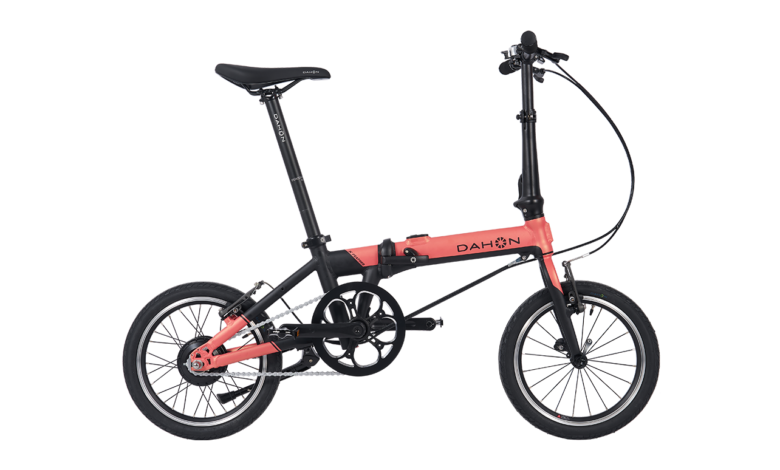
Urban congestion has reached unprecedented levels, with parking becoming increasingly scarce and expensive in major cities worldwide. Traditional bicycles offer limited appeal for longer distances, while cars consume valuable road space and contribute to environmental degradation. Folding electric bikes represent a revolutionary solution for urban commuters seeking efficiency, flexibility, and sustainability in their daily travel. These compact vehicles combine the convenience of electric assistance with the space-saving benefits of foldable design, enabling seamless transitions between home, public transit, and final destinations. This article explores the essential knowledge needed to select the ideal folding electric bike tailored to your specific lifestyle and to implement maintenance practices that ensure long-term reliability. By understanding how to evaluate key features, compare reputable brands, and care for your investment, you’ll maximize the transformative potential of these innovative machines for your urban commute.
The Rise of Folding Electric Bikes for Seamless Urban Commuting
Folding bicycles have evolved dramatically over the past two decades, transforming from niche recreational equipment into sophisticated urban mobility solutions. The integration of electric-assist technology has accelerated this transformation, creating a category of vehicles that seamlessly bridges the gap between personal transportation and public transit systems. Modern folding electric bikes combine lightweight aluminum frames with powerful motors and intelligent battery systems, delivering practical alternatives to cars for city dwellers facing mounting congestion challenges.
The advantages of these compact bikes extend far beyond their space-saving design. Urban commuters benefit from the flexibility to combine multiple transportation modes—riding to a train station, folding the bike compactly for transit, then unfolding it at the destination for final-mile connectivity. This multi-modal integration eliminates the limitations of traditional bicycles for longer distances while avoiding the parking nightmares associated with automobiles. The environmental impact proves equally compelling, as electric-assist bikes produce zero emissions during operation and require minimal energy compared to cars, contributing meaningfully to reduced urban carbon footprints.
For bike convenience in congested cities, folding electric bikes address critical pain points that other transportation methods cannot. They occupy minimal storage space in apartments, offices, and vehicles, solving the persistent problem of secure bicycle parking. The electric assistance extends comfortable riding range to 30-50 miles per charge, accommodating longer commutes that would exhaust riders on traditional bicycles. Battery-powered motors eliminate the physical exertion barrier that deters many potential cyclists, making urban commuting accessible to a broader demographic regardless of fitness level or age. This convergence of features positions folding electric bikes as genuinely transformative solutions for modern urban mobility challenges.
How to Choose the Best Folding Electric Bike: A Step-by-Step Guide
Assessing Your Commuting Needs and Lifestyle
Before evaluating specific models, honest self-assessment determines whether a folding electric bike truly matches your circumstances. Begin by calculating your typical daily commute distance, as this directly influences the required battery range and motor power. Urban commuters traveling under 15 miles daily can comfortably operate on compact bikes with modest battery capacity, while those covering 30+ miles need extended range capabilities. Consider the terrain you’ll encounter—flat city streets demand different specifications than hilly neighborhoods or mixed surfaces. Evaluate your storage situation realistically; apartment dwellers with limited closet space benefit most from highly compact bikes, whereas those with garage access can accommodate slightly larger models offering enhanced comfort. Assess your physical condition and riding preferences honestly. Electric assistance appeals to commuters seeking reduced exertion, older riders, or those carrying cargo, making motor power a priority consideration. Finally, establish a realistic budget range that balances initial investment with long-term value, recognizing that quality components ensure reliability and longevity for daily urban use.
Key Features and Specifications to Evaluate
Motor power fundamentally affects performance and efficiency. Look for motors rated between 250-750 watts, with higher wattage providing stronger hill-climbing ability and faster acceleration for urban traffic navigation. Battery capacity, measured in watt-hours (Wh), determines your riding range—typically 300-500Wh suits shorter commutes while 500-750Wh accommodates longer journeys. Examine the foldability mechanism carefully, as different designs impact portability and durability. Quick-release hinges enable rapid folding without tools, while some models require adjustment after repeated folding cycles. Weight significantly influences convenience; aim for compact bikes under 50 pounds for comfortable carrying up stairs or onto transit vehicles. Build quality matters tremendously for reliability—aluminum frames resist corrosion in urban environments better than steel, and sealed bearings withstand moisture exposure from rain and wet roads. Verify brake systems, preferring hydraulic disc brakes over mechanical systems for superior stopping power in wet conditions common to city riding. Tire size affects stability and comfort; larger wheels (20+ inches) roll smoother over urban obstacles, while smaller wheels enhance foldability. Check safety features including integrated lights, reflectors, and bell systems that improve visibility during congested commutes.
Brand and Model Spotlight: Exploring Options Like DAHON Bicycles
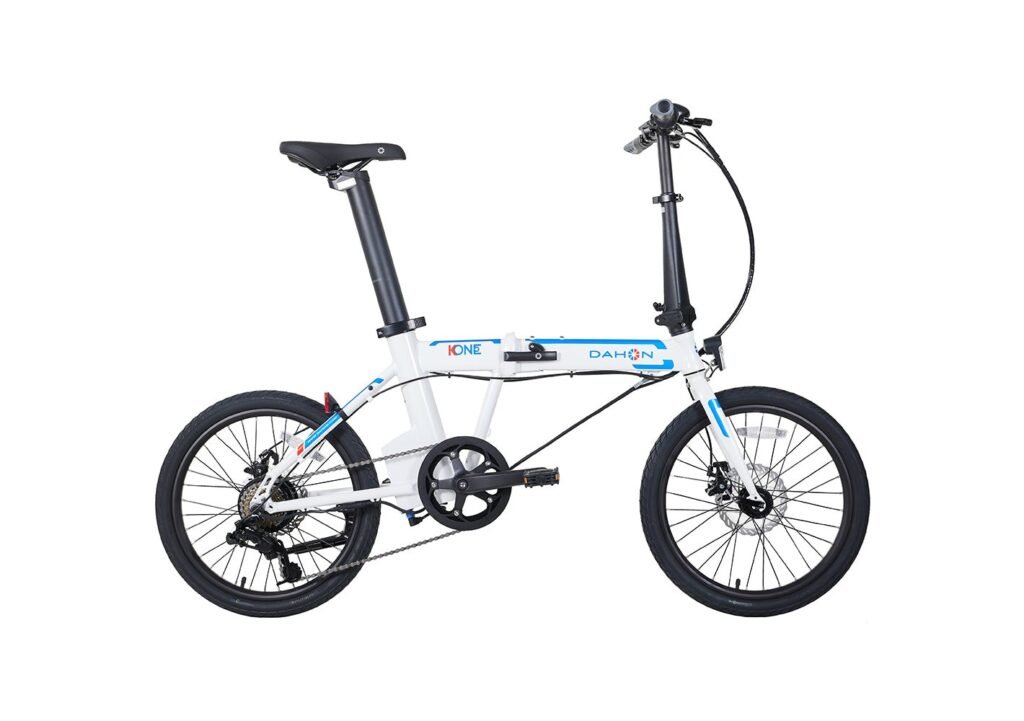
Reputable manufacturers have established strong track records in the folding electric bike market. DAHON Bicycles represents a recognized leader with over four decades of foldable bicycle engineering expertise, now offering electric-assist models that combine proven folding mechanisms with modern battery technology. The brand’s heritage in compact bike design translates directly into sophisticated hinge systems and frame geometry that prioritize both portability and ride quality. When comparing brands, research customer reviews focusing on real-world durability rather than marketing claims, paying particular attention to feedback from urban commuters similar to your situation. Evaluate warranty coverage and local service availability, as reliable dealer networks prove invaluable for maintenance and repairs. Compare models within your budget range using the feature checklist from the previous section—motor power, battery capacity, weight, and build quality should guide direct comparisons. Test-ride options whenever possible, as comfort and handling feel vary significantly between models despite similar specifications. Consider the manufacturer’s reputation for software updates and customer support, as modern electric bikes increasingly rely on app connectivity and firmware improvements. Request information about replacement part availability, ensuring your chosen model won’t become obsolete if components need repair years later.
Essential Maintenance and Storage Solutions for Urban Riders
Proper maintenance ensures your folding electric bike remains reliable through years of daily urban commuting. Unlike traditional bicycles, electric models require attention to both mechanical components and battery systems, demanding a slightly more comprehensive care approach. Establishing consistent maintenance routines prevents costly repairs and extends your investment’s lifespan significantly. Urban environments present unique challenges—salt spray from winter roads, moisture from rain, and dust from congested streets accelerate wear on exposed components. By implementing preventative strategies, you’ll maintain peak performance while avoiding the frustration of unexpected breakdowns during your commute. Storage solutions equally matter for apartment dwellers and urban commuters with limited space. Proper folding techniques and secure placement protect your bike from theft while preserving its compact advantages. This section provides actionable maintenance steps and practical storage strategies specifically designed for the realities of city living.
Routine Maintenance Checklist for Longevity
Battery care forms the foundation of electric bike maintenance. Store your battery in a cool, dry environment between 50-77°F, avoiding extreme temperatures that degrade lithium cells. Charge the battery after each ride rather than waiting until completely depleted, as this charging pattern extends overall lifespan significantly. Most quality batteries tolerate 500-1000 charge cycles before capacity noticeably declines, translating to years of reliable service with proper care. Clean battery contacts monthly with a dry cloth to prevent corrosion that interrupts power delivery.
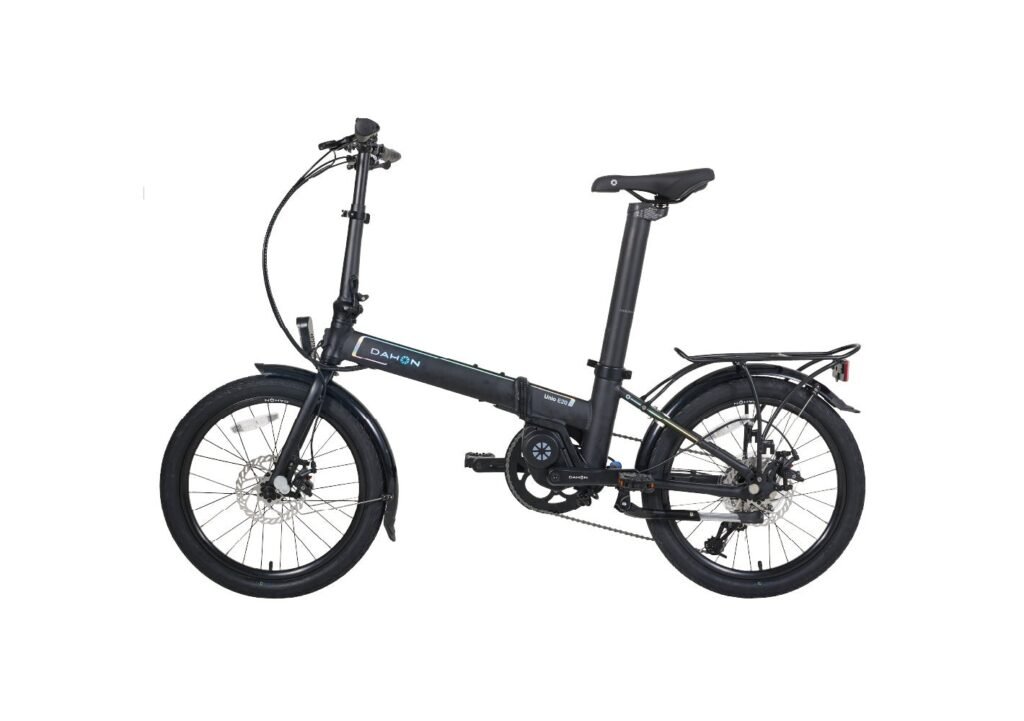
Chain and gear maintenance prevents mechanical failure on urban streets filled with potholes and debris. Clean your chain every two weeks using a specialized degreaser and brush, removing accumulated grime that accelerates wear. Apply chain lubricant specifically formulated for wet conditions, as urban riding frequently encounters moisture. Inspect the chain for rust spots or stiff links, replacing it if damage appears. Check derailleur alignment quarterly, as impacts from curbs or potholes misalign these precision components.
Brake systems demand regular inspection given their critical safety role in urban traffic. Test brake responsiveness weekly by squeezing levers and listening for unusual sounds. Hydraulic disc brakes require professional bleeding annually to maintain stopping power, while mechanical systems need cable tension adjustment every few months. Examine brake pads for thickness; replace them when worn to 1mm remaining material to prevent rotor damage.
Tire pressure significantly affects handling and efficiency. Check pressure monthly using a quality gauge, maintaining the manufacturer’s recommended PSI range. Underinflated tires increase rolling resistance and risk pinch flats, while overinflation reduces traction and comfort. Inspect tires for embedded debris, cuts, or uneven wear patterns indicating alignment issues. Rotate tires every 500 miles to promote even wear across all bikes in your fleet.
Space-Saving Storage and Security Tips
Apartment dwellers can maximize limited closet space through strategic folding and vertical storage. After each ride, fold your bike completely following the manufacturer’s instructions precisely—improper folding stresses hinges and frame joints. Store folded bikes vertically against walls or in dedicated wall-mounted racks designed for compact bicycles, utilizing otherwise wasted space efficiently. Place a mat beneath your bike to protect flooring and contain any drips from wet components. For extended storage periods exceeding one month, charge the battery to 50% capacity and store it separately in a cool location, as leaving fully charged batteries idle degrades cells.
Security measures protect against theft, a persistent concern for urban cyclists. Invest in quality U-locks or chain locks rated for high-security applications, securing both frame and wheels to immovable objects. Never leave your bike unattended in public spaces, even briefly, as thieves specifically target folding electric bikes for their portability and resale value. Consider registering your bike’s serial number with local police and photographing it with identifying marks for theft recovery purposes. When using public transit, keep your folded bike with you rather than leaving it unattended in bike racks. For overnight outdoor storage unavoidable in some urban situations, use weatherproof covers protecting against rain and salt spray. Remove the battery before extended outdoor storage, as moisture exposure damages electrical components irreversibly.
Transform Your Urban Commute with the Right Folding Electric Bike
Selecting the right folding electric bike requires thoughtful evaluation of your commuting distance, terrain, storage constraints, and budget—factors that directly determine whether your investment delivers genuine value for urban living. By systematically assessing your lifestyle needs and comparing models based on motor power, battery capacity, weight, and build quality, you’ll identify a bike perfectly suited to your daily requirements. Brands like DAHON Bicycles have proven their reliability through decades of engineering excellence, offering trustworthy options across various price points and specifications.
Equally important as selection is implementing consistent maintenance practices that preserve your bike’s performance and longevity. Battery care, regular chain cleaning, brake inspections, and tire pressure monitoring represent straightforward tasks that prevent costly repairs and unexpected breakdowns during your commute. Smart storage solutions—whether vertical wall mounting in apartments or secure outdoor placement—protect your investment while maximizing limited urban space.
Folding electric bikes represent more than convenient transportation; they embody a practical commitment to sustainable, efficient urban mobility. By applying the guidance in this article, you’ll transform your daily commute into a reliable, enjoyable experience while contributing to cleaner city environments. Start today by assessing your specific needs, researching models that match your requirements, and establishing maintenance routines that ensure years of dependable service. Your smarter commute awaits.