Urban rivers provide recreation, drinking water sources, and habitats for fish and wildlife, but they are increasingly under pressure from multiple pollutants. Contaminants come from traffic, industry, households, agriculture, and even pharmaceuticals, accumulating in water and sediment. Some pollutants are visible, like floating debris, while others are microscopic yet highly toxic. Understanding what enters urban rivers helps communities make safer choices for recreation, fishing, and local water use. Advanced techniques allow scientists to detect trace metals and other pollutants accurately, helping to map risks and prioritize interventions. In this article, the main pollutants in urban rivers and their everyday implications are discussed.
1. Heavy Metals From Industry and Traffic
Lead and mercury settle in sediment
Heavy metals from industrial discharge and urban runoff accumulate in river sediments over time. Lead can originate from past gasoline use, older buildings, and industrial activity, while mercury may come from certain manufacturing processes. These metals do not break down naturally and can persist for decades in sediments. Small fish and invertebrates living near the riverbed absorb these metals, which then move up the food chain. Families who fish or collect shellfish from urban rivers may be exposed indirectly. Regular monitoring and sediment analysis help identify contaminated hotspots, guiding practical safety measures.
Copper and cadmium wash off roads
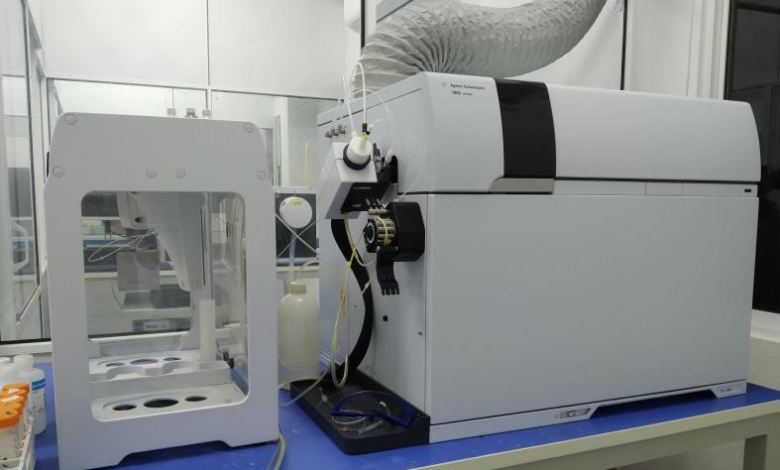
Daily traffic contributes additional metals through brake dust, tire wear, and corrosion of vehicle components. Rainwater washes these particles into storm drains and rivers, carrying copper, cadmium, and zinc along with other contaminants. Laboratories often use icp ms to measure these metals at trace levels, providing precise data about the types and concentrations present. Even low levels of these metals can stress aquatic life, including fish, amphibians, and benthic organisms. Urban planners and homeowners should be aware of runoff patterns when designing streets, gardens, and drainage systems. Simple actions, like planting vegetative buffers along riverbanks, help trap metals before they enter waterways.
2. Microplastics Never Break Down
Synthetic fibers from laundry
Microplastics are tiny plastic fragments that persist indefinitely in aquatic environments. One major source is synthetic clothing, as fibers are shed during washing and enter wastewater systems. Conventional treatment plants often cannot filter these fibers completely, allowing them to reach rivers. Fish, birds, and invertebrates ingest microplastics, mistaking them for food, which can lead to physical harm and exposure to adsorbed toxins. Awareness of microfiber pollution encourages households to use filters, wash clothes less frequently, or choose natural fibers. Even small actions at home can meaningfully reduce microplastic pollution in local rivers.
Tire dust enters waterways
Vehicle tires release small rubber particles as they wear down, which mix with road dust and are carried into storm drains. Rain events flush these particles into urban rivers, where they persist for long periods. Tire dust contains not only microplastics but also trace metals and chemical additives. Aquatic organisms can ingest these particles, and microplastics can accumulate in sediments, creating long-term exposure risks. Communities can reduce runoff through vegetative swales, permeable pavements, and street cleaning. Recognizing tire dust as a source of persistent microplastics highlights the link between everyday transportation and river health.
See also: 5 Proven Techniques for Better Executive Decision-Making
3. Agricultural Chemicals Flow In
Pesticides from lawns and farms
Pesticides applied to urban lawns, gardens, or nearby agricultural fields can wash into rivers during rainfall or irrigation. Many common pesticides are toxic to fish, insects, and beneficial aquatic microorganisms. These chemicals may not be visible in water, yet even low concentrations can disrupt reproduction and growth in sensitive species. Residents and landscapers can reduce pesticide use or adopt organic alternatives to minimize runoff. Awareness campaigns and proper labeling help homeowners understand how their choices affect local waterways. Reducing pesticide input protects both aquatic life and human health when using rivers for recreation or fishing.
Fertilizers trigger toxic algae blooms
Fertilizers rich in nitrogen and phosphorus also enter rivers from lawns, golf courses, and farms. Excess nutrients stimulate rapid algae growth, which can produce toxins harmful to fish, pets, and humans. When algae die and decompose, oxygen levels in water drop, creating “dead zones” where aquatic life struggles to survive. Simple measures, such as applying fertilizers sparingly, planting buffer vegetation, and capturing runoff in rain gardens, help limit nutrient flow. Understanding the link between everyday fertilization and river health encourages responsible landscaping practices. Managing nutrients keeps rivers cleaner and safer for communities that rely on them.

4. Pharmaceuticals Slip Through Treatment
Medicines pass through water plants
Many medications consumed by residents pass through wastewater treatment plants largely unchanged. Compounds from painkillers, antibiotics, and other pharmaceuticals can enter rivers, where they persist at low concentrations. Even trace levels may affect fish and other aquatic organisms by altering behavior or growth. Home disposal practices, such as flushing old medicine, contribute to the problem, while take-back programs reduce inputs. Awareness of this hidden source of pollution encourages safe disposal habits. Preventing pharmaceuticals from reaching rivers benefits both wildlife and human health.
Hormones disrupt aquatic life
Hormonal compounds, including contraceptives and hormone therapies, enter rivers similarly to other pharmaceuticals. Even tiny concentrations can disrupt reproductive cycles in fish and amphibians, affecting population health. Wastewater treatment plants vary in their ability to remove these compounds completely. Residents can reduce risk by avoiding flushing medications and using proper disposal options. Environmental monitoring helps track hormone levels in rivers, guiding local recommendations for recreation or fishing. Understanding pharmaceutical impacts reinforces the need for thoughtful, everyday choices that protect aquatic ecosystems.
Conclusion
Urban rivers face multiple sources of pollution, including heavy metals, microplastics, agricultural chemicals, and pharmaceuticals. Metals accumulate in sediments, microplastics persist indefinitely, and chemicals disrupt aquatic ecosystems, posing risks to both wildlife and humans. Awareness of everyday contributions—from car use and lawn care to medicine disposal—empowers residents to reduce inputs. Practical interventions, including stormwater management, vegetative buffers, careful landscaping, and safe disposal programs, help protect river health. Understanding pollutants in urban rivers ensures communities can enjoy cleaner water and safer recreation while preserving aquatic ecosystems.