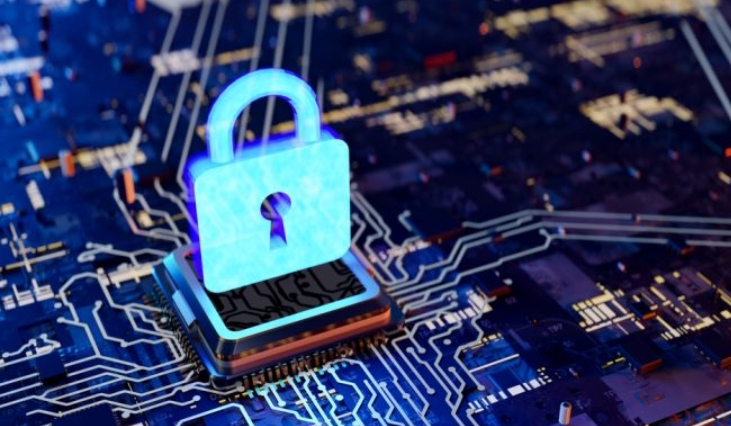
Introduction to Modern Encryption
Encryption is a key part of digital security. It protects sensitive information by converting it into unreadable code, only accessible with the right key. As technology evolves, so do the methods used to protect data. The next generation of encryption algorithms is designed to address new threats and challenges in the digital world.
In the past, simple ciphers were enough to keep secrets. Today, with the vast amount of data shared online and the rise of cyber threats, advanced encryption is essential. Without strong encryption, personal information, financial data, and even government secrets could be exposed to hackers. The need for robust protection has never been greater.
Why New Encryption Algorithms Are Needed
Traditional encryption methods, such as RSA and ECC, have served us well for decades. However, with the rise of quantum computing, these algorithms face new risks. Quantum computers can solve complex problems much faster than classical computers, making it possible to break current encryption schemes. This is why experts are now focusing on implementing quantum safe encryption for cryptography to protect sensitive data from future threats.
The urgency for new encryption standards is clear. Once quantum computers become powerful enough, they could decrypt information that is currently considered secure. This could impact everything from bank transactions to confidential communications. According to the U.S. Department of Homeland Security, organizations should start preparing now for this shift: https://www.dhs.gov/quantum-computing.
See also: The Techniques of CNC Turning for Precision Components
What Is Quantum-Safe Encryption?
Quantum-safe encryption, also known as post-quantum cryptography, refers to algorithms that can withstand attacks from quantum computers. These new methods utilize mathematical problems that are challenging to solve, even for quantum computers. According to the National Institute of Standards and Technology (NIST), developing quantum-resistant algorithms is crucial for long-term security.
Unlike traditional methods, quantum-safe algorithms are built to withstand the unique abilities of quantum computers. Researchers are testing a range of new techniques to identify which ones offer the best protection. This process involves international cooperation among scientists and cybersecurity professionals.
Main Types of Next-Generation Encryption Algorithms
There are several categories of quantum-safe algorithms. Lattice-based cryptography is one of the most promising, using complex geometric structures to secure data. Code-based cryptography relies on error-correcting codes, while multivariate cryptography uses equations with multiple variables. Hash-based signatures offer another layer of protection for digital signatures. Each type has its strengths and weaknesses, but all aim to withstand quantum attacks.
Lattice-based cryptography is particularly attractive because it is believed to be resistant to both classical and quantum attacks. Code-based systems have been studied for decades and have shown strong security properties. Multivariate cryptography offers fast operations, which could be helpful for devices with limited resources. Hash-based signatures are useful for digital authentication and have a long history of security.
Transitioning to Post-Quantum Cryptography
Moving to quantum-safe encryption is a complex process. Organizations must identify which systems need updating and plan how to implement new algorithms. Compatibility with existing systems and future scalability are important considerations. The transition will likely take several years, so early planning is essential. The European Union Agency for Cybersecurity (ENISA) provides detailed guidance on this process.
Transitioning to new algorithms involves more than just swapping out old code. It requires testing, validation, and sometimes redesigning systems from the ground up. Experts recommend a phased approach, where systems are updated in stages. This allows organizations to address compatibility issues and ensure that new encryption methods work as expected. The World Economic Forum also provides insights on preparing for the quantum era:
Challenges and Considerations
Adopting next-generation encryption comes with challenges. New algorithms must be tested for security and efficiency. They may require more processing power or memory than older methods. Compatibility with current hardware and software is also an issue. Despite these challenges, the move to quantum-safe cryptography is necessary to ensure long-term data protection.
Organizations must balance security with performance. Some quantum-safe methods can be slower or consume more resources, which may impact user experience. Security experts are working to refine these algorithms so that they are both secure and practical for real-world use. The process also includes training staff and updating policies to reflect new cryptographic standards.
The Future of Encryption
As quantum computing technology advances, encryption methods will continue to evolve. Researchers are working to create standards and best practices for quantum-safe cryptography. Collaboration between governments, academic institutions, and the private sector is key. The goal is to stay ahead of threats and keep digital information secure for years to come.
In the coming years, we may see hybrid systems that use both traditional and quantum-safe encryption. This approach helps protect data during the transition period. International standards organizations, such as the International Organization for Standardization (ISO), are also involved in setting guidelines for the adoption of new cryptographic methods. Ongoing research and development will play a critical role in shaping the future of data protection.
Conclusion
The next generation of encryption algorithms is vital for protecting data in a world where quantum computers are becoming a reality. By adopting quantum-safe cryptography, organizations can safeguard sensitive information from emerging threats. The journey to post-quantum security requires careful planning, but it is a necessary step for the future of digital security.
FAQ
What is quantum-safe encryption?
Quantum-safe encryption refers to cryptographic algorithms designed to withstand attacks from quantum computers. These methods use mathematical problems that are difficult for quantum machines to solve.
Why are traditional encryption methods at risk?
Traditional methods like RSA and ECC rely on problems that quantum computers can solve quickly, making them vulnerable to attacks as quantum technology advances.
How long will it take to switch to quantum-safe encryption?
The transition is expected to take several years as organizations update systems and adopt new standards. Early planning is crucial for a seamless transition.
Are quantum computers a threat today?
Quantum computers capable of breaking current encryption are not yet available; however, experts advise preparing now to mitigate future risks.
Where can I learn more about post-quantum cryptography?
Official sources like NIST and ENISA provide updates and guidance on post-quantum cryptography standards and best practices.