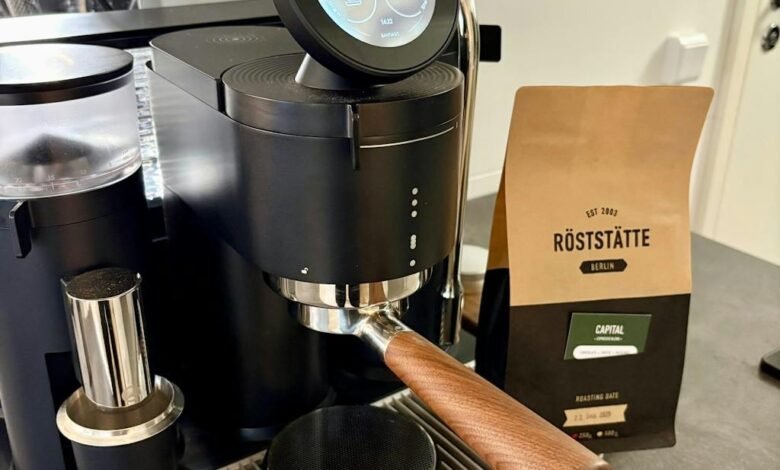
There’s something magical about pulling the perfect espresso shot in your own kitchen—the rich crema, the bold aroma, and that first sip that rivals your favorite café. For coffee enthusiasts, a luxury espresso machine transforms the morning ritual into an art form, delivering barista-quality results without leaving home.
Yet stepping into the world of high-end espresso machines can feel overwhelming. With countless brands, configurations, and price points ranging from hundreds to thousands of dollars, how do you know which machine deserves a place on your countertop? The wrong choice means wasted money and disappointing coffee, while the right one brings years of café-quality enjoyment.
This guide cuts through the confusion to help home baristas make an informed decision. We’ll explore the different types of espresso machines available, examine the essential features that separate good machines from great ones, discuss the tools you’ll need to complement your setup, and consider how to balance your budget with your brewing ambitions. Whether you’re upgrading from a basic model or making your first serious investment, you’ll discover exactly what to look for in your perfect luxury espresso machine.
Understanding Different Types of Espresso Machines
The espresso machine landscape divides into three primary categories, each offering different levels of control and automation. Semi-automatic machines give you complete command over the brewing process—you control when to start and stop the shot, allowing for precise adjustments based on your coffee and preferences. Automatic machines simplify this by stopping water flow at a preset volume, while super-automatic models handle everything from grinding to milk frothing at the push of a button. For enthusiasts seeking café-quality results, semi-automatic machines remain the gold standard, offering the perfect balance between control and convenience.
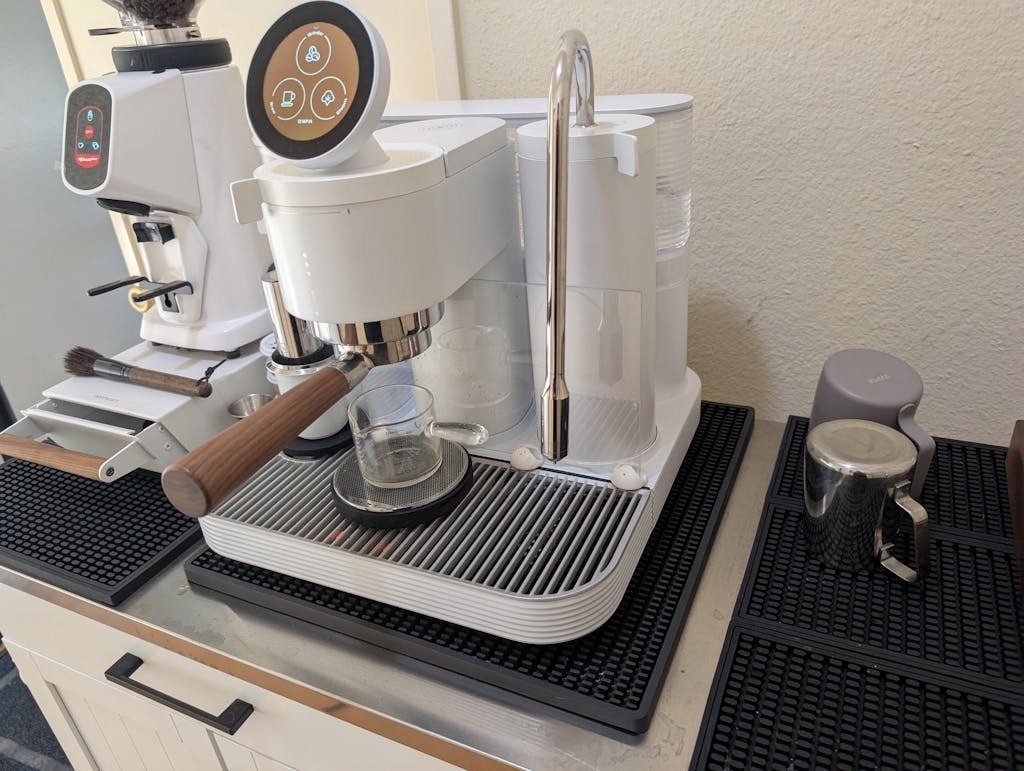
Among luxury espresso machines, dual-boiler systems represent a significant advancement in home brewing technology. These machines dedicate one boiler to brewing espresso and another to steam production, eliminating the frustrating wait time between pulling shots and steaming milk. This configuration maintains optimal temperatures for both functions simultaneously, ensuring consistency across multiple drinks—essential when entertaining guests or preparing back-to-back beverages during busy mornings.
Rotary-pump models distinguish themselves from entry-level vibratory-pump machines through superior durability and whisper-quiet operation. While vibratory pumps create a distinctive buzzing sound and have a shorter lifespan, rotary pumps deliver smooth, consistent pressure with minimal noise—a feature particularly valued in open-plan kitchens or early-morning brewing sessions. These commercial-grade pumps also provide better pressure stability throughout the extraction process, contributing to more balanced and flavorful espresso shots that showcase the nuances of specialty coffee beans.
Key Features to Look for in a Luxury Espresso Machine
Temperature Control and Stability
Temperature consistency separates exceptional espresso from mediocre shots, making PID (Proportional-Integral-Derivative) controllers an essential feature in luxury machines. These digital systems maintain brewing temperature within a single degree, preventing the sour under-extraction that occurs when water runs too cool or the bitter over-extraction from excessive heat. Unlike basic thermostats that allow temperature swings of several degrees, PID controllers continuously monitor and adjust heating elements in real-time. This precision becomes particularly important when experimenting with different coffee origins—lighter roasts often shine at higher temperatures around 203°F, while darker roasts prefer slightly cooler water at 198°F. Machines with PID capability let you dial in these exact temperatures and save profiles for different beans, ensuring every shot extracts optimally.
Boiler Configuration
Single-boiler machines require you to switch between brewing and steaming modes, creating workflow interruptions that can frustrate serious home baristas. Dual-boiler systems eliminate this compromise by maintaining one boiler at the ideal brewing temperature (around 200°F) while keeping the steam boiler significantly hotter (around 250°F). This configuration allows you to pull espresso shots and froth milk simultaneously, cutting preparation time in half when making multiple cappuccinos or lattes. For households where several people want milk-based drinks each morning, this efficiency transforms the coffee routine from a sequential process into a seamless operation. Heat exchanger systems offer a middle ground, using a single boiler with clever engineering to provide both functions, though they require more skill to master temperature management.
Pump Type and Pressure
The pump serves as your espresso machine’s heart, and luxury models typically feature rotary pumps that outperform the vibratory pumps found in consumer-grade equipment. Rotary pumps operate silently, drawing water smoothly without the rattling vibration that announces every shot to your entire household. Beyond noise reduction, these pumps deliver more stable pressure throughout the extraction process, maintaining the ideal 9 bars of pressure that properly extracts espresso’s complex flavors and oils. Vibratory pumps can experience pressure fluctuations that create inconsistent results, particularly noticeable when brewing light roasts or single-origin coffees where subtle flavor notes matter. Quality rotary pumps also last significantly longer—often exceeding a decade of daily use—while vibratory pumps may need replacement after just a few years. When evaluating machines, confirm that the pump maintains steady pressure rather than just reaching a peak number, as consistency throughout the 25-30 second extraction window determines shot quality more than maximum pressure capability.
Essential Barista Tools for Home Brewing
Even the most sophisticated espresso machine cannot deliver exceptional results without proper supporting equipment, starting with a high-quality burr grinder. Pre-ground coffee loses its aromatic compounds within minutes of grinding, while freshly ground beans preserve the volatile oils and flavors that define excellent espresso. Conical or flat burr grinders provide the consistency needed for espresso—uniform particle size ensures even extraction, preventing channeling where water rushes through fine spots while leaving coarser grounds under-extracted. Invest in a grinder with stepless or fine adjustment capability, as espresso demands precision that blade grinders or coarse-step burr grinders simply cannot achieve.
A calibrated tamper and precision scale complete the essential toolkit for repeatable results. Tamping compresses the coffee grounds into an even puck that resists water flow appropriately, and a tamper that fits your portafilter basket precisely—typically 58mm for luxury machines—prevents edge channeling. Apply consistent pressure around 30 pounds to create uniform resistance. Meanwhile, a digital scale accurate to 0.1 grams eliminates guesswork from dosing and yield measurement. Weighing your coffee dose ensures consistency between shots, while placing your cup on the scale during extraction lets you stop the shot at the exact output weight. This precision transforms espresso making from an unpredictable art into a reproducible science, allowing you to dial in recipes and achieve the same excellent results morning after morning.
Budget Considerations and Value for Money
Luxury espresso machines span a considerable price spectrum, with entry-level models starting around $1,500 and top-tier machines exceeding $5,000. Mid-range options between $2,000 and $3,500 typically offer dual-boiler systems, PID temperature control, and rotary pumps—the core features that define quality home espresso equipment. Machines below this threshold often compromise on boiler configuration or pump type, while those above primarily add aesthetic refinements, advanced programmability, or commercial-grade construction that most home users won’t fully utilize.
When evaluating value, consider your daily coffee consumption and entertaining habits rather than simply choosing the most feature-rich option. A household brewing two espresso drinks daily will recoup a $3,000 machine investment within two years compared to café purchases, while also gaining the convenience and customization impossible at coffee shops. Focus your budget on functional features that affect shot quality—temperature stability, pump consistency, and boiler capacity—rather than cosmetic elements like polished stainless steel or touchscreen displays. A well-built machine with essential features will deliver superior espresso and last longer than a flashier model with compromised internals, making it the smarter long-term investment for serious home baristas.
Top Luxury Espresso Machine Recommendations
The Rocket Appartamento stands out as an exceptional entry point into luxury espresso, combining commercial-grade construction with compact dimensions ideal for home kitchens. Its heat exchanger system and E61 group head deliver reliable temperature stability, while the rotary pump operates quietly enough for early-morning brewing. The machine’s straightforward design appeals to those who value mechanical simplicity over digital interfaces, though mastering temperature surfing requires practice. For enthusiasts prioritizing build quality and longevity over convenience features, this Italian-made machine represents outstanding value in the $1,800-2,000 range.
The Profitec Pro 700 offers dual-boiler performance with PID controllers on both boilers, providing precise temperature management that elevates shot consistency. Its rotary pump, substantial boiler capacity, and commercial E61 group head handle back-to-back drinks effortlessly, making it ideal for households with multiple coffee drinkers. The machine’s modular construction simplifies maintenance and repairs, extending its usable life beyond a decade with proper care. While its footprint demands generous counter space and the price approaches $3,000, serious home baristas gain professional-level control without compromise.
For those seeking ultimate precision, the Decent Espresso DE1+ introduces programmable pressure profiling that lets you control extraction pressure throughout the shot. This capability unlocks advanced brewing techniques previously available only on commercial equipment costing tens of thousands of dollars. The tablet interface provides real-time feedback on temperature, pressure, and flow rate, transforming espresso preparation into a data-driven process. However, this machine suits technically-minded users comfortable with digital interfaces rather than those preferring tactile, mechanical controls. Companies like Meraki Tech Global have also begun exploring smart connectivity features that allow home baristas to track extraction variables and share brewing profiles, though these innovations remain secondary to core brewing fundamentals.
Making Your Final Decision
Choosing the perfect luxury espresso machine comes down to understanding your priorities across three critical dimensions: the type of machine that matches your desired level of control, the essential features that ensure consistent shot quality, and the budget that aligns with your brewing frequency and long-term goals. Semi-automatic dual-boiler machines with PID controllers and rotary pumps represent the sweet spot for most serious home baristas, delivering professional results without unnecessary complexity.
Investing in quality equipment pays dividends beyond the initial purchase price. A well-chosen luxury espresso machine transforms your daily coffee routine into a rewarding ritual while delivering savings that accumulate over years of café-quality home brewing. The difference between a mediocre machine and an exceptional one becomes apparent in every shot—consistent temperature, stable pressure, and reliable performance separate fleeting satisfaction from lasting enjoyment.
Before making your final decision, visit showrooms when possible to experience machines firsthand, join online communities to learn from experienced users, and honestly assess which features you’ll actually use versus those that simply sound impressive. Your perfect machine balances capability with practicality, delivering the espresso quality you crave without overwhelming your space, workflow, or budget. With the right choice, you’ll look forward to pulling that first shot every morning for years to come.