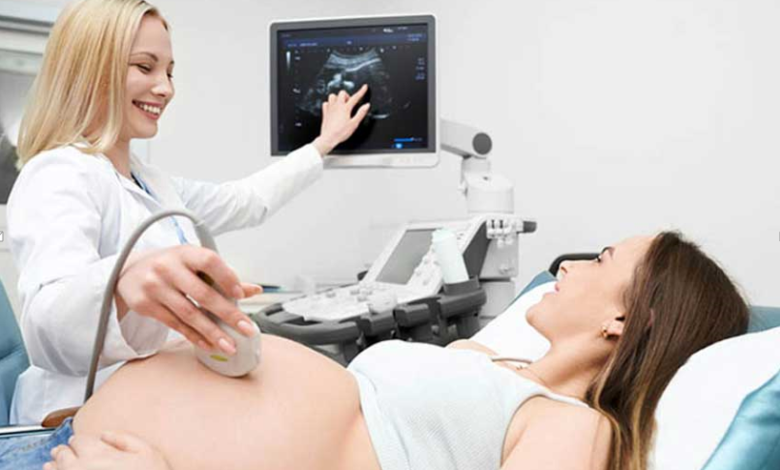
Pregnancy and childbirth are significant life events that require careful medical supervision and structured support. Choosing the right hospital plays an important role in ensuring maternal safety, newborn health, and positive birth outcomes. A well-equipped pregnancy hospital focuses not only on comfort but also on strict safety standards, emergency preparedness, and evidence-based maternity care.
Understanding what facilities and safety measures define a high-quality maternity hospital helps expecting parents make informed decisions during this important time.
Importance of Hospital-Based Maternity Care
Hospital-based maternity care ensures that trained professionals, emergency interventions, and neonatal support are available if complications arise. While many pregnancies progress normally, unexpected issues, such as high blood pressure, gestational diabetes, or fetal distress, may require prompt medical intervention.
Hospitals with strong safety systems are prepared to manage both routine and high-risk pregnancies effectively.
Key Facilities at a Well-Equipped Pregnancy Hospital
Modern maternity hospitals provide comprehensive infrastructure to support safe pregnancy and delivery, including:
1. Advanced Labor and Delivery Rooms
Labor rooms are designed with:
- Continuous fetal monitoring systems
- Maternal vital monitoring equipment
- Emergency resuscitation tools
- Infection-controlled environment
Continuous monitoring helps detect early signs of fetal distress or maternal complications.
2. Operation Theatres for Emergency Cesarean Section
A fully equipped operating theatre is essential for situations where surgical delivery becomes necessary. Emergency C-sections may be required in cases such as prolonged labor, placental complications, or fetal distress.
Strict sterilization and anesthesia protocols enhance safety during surgical procedures.
3. Neonatal Intensive Care Unit (NICU)
Newborns who are premature or require additional support benefit from specialized neonatal care. NICU facilities may include:
- Incubators
- Respiratory support systems
- Neonatal monitoring devices
- Trained neonatologists
Immediate access to neonatal care improves survival and health outcomes for high-risk infants.
See also: Future-Ready Pharmacy Management System for Healthcare with Healthray
Safety Standards That Protect Mothers and Babies
Safety standards are important in maternity care, including:
Infection Prevention Protocols
Hospitals maintain rigorous infection control policies, such as:
- Sterile surgical instruments
- Hand hygiene compliance
- Sanitized delivery rooms
- Controlled visitor access
These measures reduce the risk of postpartum infections.
Emergency Response Systems
Pregnancy hospitals must be prepared to handle emergencies, such as:
- Postpartum hemorrhage
- Eclampsia
- Severe preeclampsia
- Shoulder dystocia
Having trained teams and rapid response protocols significantly improves maternal survival rates.
Continuous Fetal Monitoring
Electronic fetal monitoring tracks the baby’s heart rate and uterine contractions during labor. This allows early detection of oxygen deprivation or distress.
Timely intervention reduces the risk of long-term complications.
Multidisciplinary Care Team in Maternity Hospitals
A strong maternity hospital includes a coordinated team of:
- Obstetricians
- Anesthesiologists
- Neonatologists
- Pediatricians
- Trained nursing staff
- Lactation consultants
Collaborative care ensures comprehensive support from prenatal visits through postpartum recovery.
In Delhi, families seeking the best pregnancy hospital in Delhi usually assess the availability of round-the-clock obstetric care, NICU support, and emergency surgical readiness before finalizing their delivery plan.
Prenatal Monitoring and High-Risk Pregnancy Management
Some pregnancies require closer monitoring due to underlying health conditions, including:
High Blood Pressure and Preeclampsia Monitoring
Hospitals track blood pressure, urine protein levels, and fetal growth carefully in high-risk pregnancies.
Gestational Diabetes Management
Blood sugar monitoring and dietary counseling help reduce complications during pregnancy and delivery.
Ultrasound and Fetal Imaging
Modern ultrasound technology allows a detailed assessment of fetal development, placental position, and amniotic fluid levels.
Early detection of abnormalities enables appropriate planning and management.
Pain Management and Comfort Measures
Safe maternity care includes various pain management options during labor, such as:
- Epidural anesthesia
- Breathing techniques
- Positioning support
- Non-pharmacological pain relief methods
Patient-centered care ensures informed decision-making about pain relief choices.
Postpartum Care and Maternal Recovery
Recovery after childbirth requires monitoring for:
- Excessive bleeding
- Infection
- Blood pressure changes
- Emotional well-being
Hospitals provide postpartum support, breastfeeding guidance, and newborn care education before discharge.
Neonatal Safety and Early Newborn Care
Immediate newborn care includes:
- APGAR scoring
- Temperature regulation
- Feeding support
- Screening tests for metabolic or genetic conditions
Structured newborn assessment ensures early identification of health concerns.
Role of Accreditation and Quality Monitoring
Accreditation indicates adherence to established healthcare standards. Hospitals usually participate in continuous quality improvement programs to monitor outcomes such as:
- Maternal mortality rates
- Neonatal complications
- Surgical infection rates
- Patient satisfaction
Transparency in reporting outcomes reflects a commitment to patient safety.
Frequently Asked Questions
What facilities should a good pregnancy hospital provide?
A well-equipped pregnancy hospital should offer advanced labor rooms, emergency surgical facilities, NICU support, continuous fetal monitoring, infection control systems, and trained obstetric and neonatal teams to manage both routine and high-risk deliveries safely.
Why is a NICU important in a maternity hospital?
A NICU provides specialized care for premature or medically fragile newborns. Immediate access to neonatal monitoring and respiratory support significantly improves survival and reduces complications in high-risk deliveries.
How do hospitals handle pregnancy emergencies?
Hospitals follow structured emergency protocols with rapid response teams trained to manage complications, such as hemorrhage, preeclampsia, or fetal distress. Quick intervention reduces risks to both mother and baby.
What safety measures reduce infection during delivery?
Strict sterilization procedures, hand hygiene protocols, disinfected operating rooms, and limited visitor access help minimize infection risk during labor, delivery, and postpartum recovery.
Can high-risk pregnancies be safely managed in hospitals?
Yes, hospitals equipped with specialized monitoring, advanced imaging, and experienced obstetric teams can manage high-risk pregnancies effectively, improving maternal and neonatal outcomes with timely interventions.
Conclusion
The best pregnancy hospitals prioritize structured facilities, emergency preparedness, and strict safety standards to protect both mother and baby. From advanced labor monitoring and surgical readiness to neonatal intensive care and postpartum support, comprehensive maternity services contribute to safe and positive birth experiences.
Choosing a hospital with strong infrastructure, skilled professionals, and evidence-based protocols ensures that pregnancy and childbirth are managed with the highest standards of care and safety.