Your home’s roof quietly protects everything beneath it, yet it is often overlooked until problems appear. A regular residential roof inspection helps homeowners identify minor issues before they escalate into costly structural damage.
Understanding how often inspections should occur depends on factors such as climate, roofing materials, age, and surrounding environment. By learning recommended inspection timelines and warning signs, homeowners can preserve roof performance and extend its lifespan.
Why Regular Roof Inspections Matter
A roof endures constant exposure to sun, rain, wind, and temperature shifts. Over time, these forces weaken materials, loosen fasteners, and create entry points for moisture. Without routine inspections, hidden deterioration may go unnoticed until leaks or structural damage develop.
Inspections allow trained professionals to evaluate the entire roofing system, including shingles, flashing, drainage components, ventilation, and underlayment. Detecting issues early reduces repair costs and prevents secondary problems such as mold growth or insulation damage.
Regular assessments also support warranty compliance. Many roofing manufacturers require periodic inspections and maintenance records to keep warranties valid. Skipping inspections may lead to denied claims if defects appear later.
General Rule for Roof Inspection Frequency
For most homes, experts recommend scheduling a professional roof inspection at least once every year. Annual inspections provide a consistent maintenance schedule that aligns with seasonal weather cycles. However, this baseline may vary depending on roofing conditions and external factors.
Homes in regions with harsh weather patterns or heavy debris exposure benefit from more frequent checks. Conversely, newer roofs made from durable materials may require less frequent professional evaluation in early years.
A practical inspection schedule for typical residential properties includes:
- Once annually for standard maintenance
- After severe weather events
- Before buying or selling a home
- When the roof reaches midlife or older
These checkpoints help ensure problems are addressed at appropriate intervals throughout the roof’s lifespan.
Seasonal Considerations for Inspection Timing
The time of year influences inspection effectiveness and repair planning. Choosing the right season helps identify weather-related wear and prepares the roof for upcoming conditions.
Spring Inspections
Spring is a popular inspection season because it reveals damage from winter conditions. Snow load, freeze thaw cycles, and ice accumulation often cause cracking or flashing separation. Inspecting in spring allows repairs before summer storms arrive.
Professionals look for lifted shingles, water intrusion marks, and weakened sealants that may have developed during cold months. Addressing these issues early prevents further deterioration under summer heat.
Fall Inspections
Fall inspections prepare roofs for winter stress. Checking drainage systems, sealing vulnerable areas, and confirming structural integrity ensures the roof can handle snow and moisture. Clearing debris before winter also reduces ice dam formation risk.
Fall evaluations are especially important in regions with cold climates or frequent snowfall. Reinforcing vulnerable sections before freezing temperatures arrive helps prevent seasonal failures.
Post Storm Inspections
Major storms can cause sudden roof damage even if leaks are not immediately visible. High winds may loosen shingles, hail can bruise surfaces, and debris impacts may fracture materials. Scheduling an inspection after severe weather ensures hidden damage is identified quickly.
Storm related inspections also document damage for insurance purposes. Early detection prevents delayed leaks that may appear weeks or months later.
See also: The Role of AI in Modern Home Styling
Roof Age and Inspection Frequency
The age of a roof significantly affects how often it should be inspected. As materials approach the end of their service life, deterioration accelerates and inspections should increase.
New Roofs Under Five Years
Newly installed roofs generally require minimal inspection beyond annual checks. Materials remain flexible and protective layers are intact. Inspections during this period mainly confirm installation quality and warranty compliance.
However, new roofs should still be evaluated after severe weather or if installation concerns arise. Early corrections preserve long term performance.
Midlife Roofs Five to Fifteen Years
Roofs in midlife begin showing gradual wear such as granule loss, sealant aging, and minor flashing corrosion. Inspections during this stage become more important to monitor deterioration patterns.
Annual inspections remain appropriate, though homeowners should remain alert to visual changes such as discoloration or debris accumulation. Minor repairs during this phase can extend overall lifespan significantly.
Older Roofs Fifteen Years and Beyond
Older roofs require closer monitoring because materials stiffen, crack, and lose water resistance. Professionals often recommend inspections twice per year once roofs pass fifteen to twenty years, depending on material type.
Frequent checks identify failing sections before widespread damage occurs. Proactive maintenance during late life stages may delay full replacement and prevent interior damage.
Influence of Roofing Material on Inspection Needs
Different roofing materials age and deteriorate at varying rates. Inspection frequency should reflect the durability and vulnerability of the specific material installed.
Asphalt Shingles
Asphalt shingles are common but susceptible to granule loss, curling, and wind uplift over time. Annual inspections are standard, with additional checks after storms. Older asphalt roofs benefit from semiannual inspections due to accelerated aging.
Metal Roofing
Metal roofs are durable and resistant to many environmental factors. Inspections every one to two years may be sufficient in early decades. However, fasteners, seams, and coatings should still be checked periodically to prevent corrosion or loosening.
Tile Roofing
Clay or concrete tiles can last decades but are brittle under impact. Inspections should focus on cracked or displaced tiles and underlayment conditions. Annual inspections remain advisable, especially in areas with falling debris or foot traffic.
Wood Shingles or Shakes
Wood roofing requires frequent monitoring due to moisture sensitivity and organic decay. Inspections at least once per year are essential, with additional checks in humid climates. Early detection of rot or insect activity prevents rapid spread.
Environmental Factors That Affect Inspection Frequency
Surrounding conditions influence how quickly roofs deteriorate. Homes exposed to certain environmental stressors should follow more frequent inspection schedules.
Trees and Vegetation
Overhanging branches drop leaves and debris that trap moisture and promote mold growth. Falling limbs may damage roofing surfaces. Homes surrounded by trees often require inspections twice per year to ensure debris does not accumulate or cause abrasion.
Coastal or High Humidity Areas
Salt air and persistent moisture accelerate corrosion and material breakdown. Roofs in coastal climates benefit from semiannual inspections to monitor flashing, fasteners, and coatings.
Extreme Temperature Regions
Areas with large temperature swings cause expansion and contraction that weakens roofing materials. Freeze thaw cycles also promote cracking. Annual inspections are essential, with additional checks after seasonal transitions.
Heavy Storm Zones
Regions prone to hail, hurricanes, or high winds experience frequent mechanical damage. Post storm inspections are critical even if no leaks are visible. Repeated impacts may shorten inspection intervals significantly.
Signs That Indicate Immediate Inspection Is Needed
Beyond scheduled maintenance, certain warning signs signal the need for prompt professional evaluation. Ignoring these indicators may allow damage to spread quickly.
Homeowners should schedule an inspection immediately if they notice:
- Water stains on ceilings or walls
- Missing or curled shingles
- Sagging roof sections
- Excessive granules in gutters
- Visible daylight in attic spaces
These symptoms often indicate active or developing leaks that require timely repair.
Benefits of Routine Inspection Over Reactive Repairs
Waiting for visible leaks before inspecting a roof often leads to larger repair costs and structural complications. Routine inspections provide measurable advantages that protect both the roof and interior spaces.
Preventive inspections identify small defects such as sealant cracks or flashing gaps before water penetration occurs. Repairing these early requires minimal materials and labor compared to addressing widespread moisture damage.
Regular assessments also maintain drainage efficiency. Blocked gutters and downspouts may force water beneath roofing layers, accelerating deterioration. Inspections ensure water flows away from vulnerable areas.
Another advantage is lifespan extension. Addressing wear promptly reduces cumulative damage, allowing roofs to reach or exceed expected service life. This delays costly replacement and improves long term property value.
Professional Inspections Versus Homeowner Checks
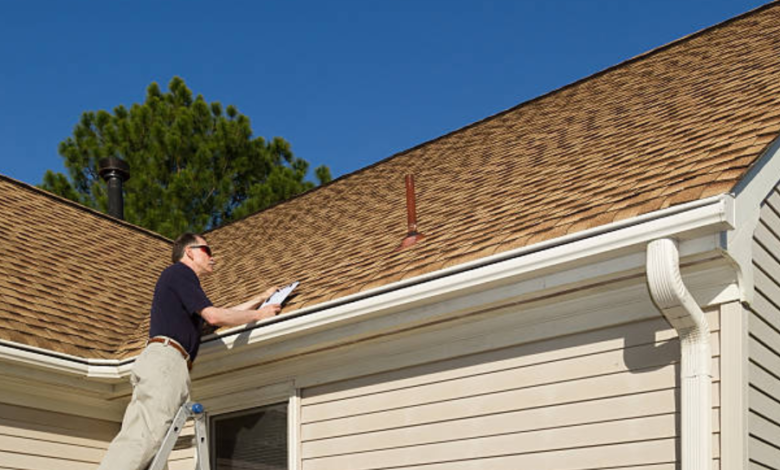
Homeowners can perform basic visual checks from ground level or attic spaces, but professional inspections remain essential. Trained inspectors recognize subtle deterioration patterns and access areas that are unsafe for untrained individuals.
Professional inspections include close examination of flashing intersections, vent seals, ridge caps, and drainage components. Inspectors also evaluate structural alignment and ventilation performance, which homeowners may overlook.
Homeowner observations still play a role between scheduled inspections. Noticing visible changes or debris accumulation helps determine when professional evaluation is needed sooner than planned.
Creating a Long Term Roof Inspection Schedule
Establishing a consistent inspection plan simplifies maintenance and prevents oversight. Homeowners benefit from aligning inspection timing with roof age, climate, and seasonal weather patterns.
A practical long term schedule includes annual inspections throughout most of the roof’s life, transitioning to semiannual checks as materials age. Adding inspections after major storms ensures unexpected damage does not remain hidden.
Maintaining inspection records also helps track deterioration trends. Documentation supports warranty claims and informs decisions about repair or replacement timing.
How Inspections Support Property Value and Safety
A well maintained roof contributes directly to property condition and resale confidence. Buyers often request inspection records to confirm structural reliability. Regular inspections demonstrate responsible maintenance and reduce uncertainty during transactions.
Safety is another key consideration. Undetected roof deterioration may lead to structural weakening or falling debris hazards. Inspections confirm that load bearing components remain secure and weather resistant.
Moisture intrusion from roof failure can also create indoor health risks through mold growth. Preventing leaks protects air quality and living conditions within the home.
Conclusion
Determining how often to schedule roof inspections depends on multiple factors including roof age, material, environment, and weather exposure. While annual inspections provide a reliable baseline, older roofs and high risk climates often require more frequent evaluation. Seasonal timing and post storm checks further enhance protection.
A consistent residential roof inspection schedule ensures early detection of deterioration, preserves structural integrity, and extends roof lifespan. By understanding recommended inspection intervals and recognizing warning signs, homeowners can maintain durable roofing systems that protect their homes for decades.