Concrete floors often appear indestructible and forgiving. Many people believe concrete tolerates amateur treatment easily. This assumption leads homeowners toward do-it-yourself grinding attempts. As a result, problems often emerge faster than expected.
Concrete grinding requires precision, experience, and specialised equipment. Grinding removes material permanently from a structural surface. So, mistakes remain visible long after the job ends. Understanding what can go wrong helps property owners avoid costly regret during concrete grinding in Geelong.
First things first—
Lack of Technical Knowledge
Concrete behaves unpredictably under abrasion. Different slabs possess different hardness levels. Aggregate distribution also varies widely across surfaces. As a result, grinding outcomes differ significantly.
DIY operators rarely understand concrete composition fully. They grind aggressively without testing surface hardness. Incorrect grinding depth creates visible gouges that weaken the slab surface. As a result, repairs become more complex and expensive.
Professionals, on the other hand, test surfaces before grinding begins. This preparation ensures controlled material removal and outcomes remain consistent.
See also: Understanding Business Software and Its Strategic Role
Incorrect Equipment Selection
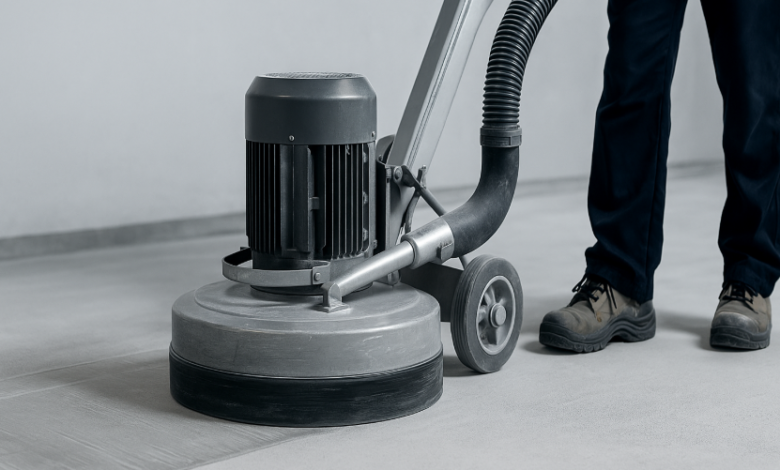
Concrete grinding machines vary significantly in capability. Handheld grinders suit small touch ups only. Large planetary grinders handle expansive surfaces. As a result, equipment choice directly affects results.
DIY users often select underpowered machines and struggle against hardened concrete. So, operators apply excessive pressure that damages both equipment and surface. Grinding discs wear unevenly. This makes the floor texture become inconsistent.
Professional contractors, however, use calibrated machines. They select tooling based on slab hardness and ensure grinding remains smooth and controlled.
Inadequate Dust Control
Concrete grinding generates enormous dust quantities. This dust contains fine silica particles that present serious health risks. As a result, safety regulations exist for good reason.
DIY grinding often ignores this dust management entirely. Basic masks provide insufficient protection, so airborne particles linger throughout the space. Dust settles into vents and furniture easily, and cleaning becomes difficult and time consuming. As a result, contamination spreads beyond the work area.
So, professional services use industrial dust extraction systems. These systems capture particles at the source and ensure environments remain cleaner and safer.
Uneven Floor Levels
Achieving level surfaces requires experience and precision. DIY grinders often focus on visible high spots only. This approach creates waves across the floor. As a result, surfaces remain uneven and cause installation failures later. Tiles crack and coatings peel prematurely. So, initial mistakes multiply over time.
Professional grinders measure floor flatness continuously. They correct deviations gradually. As a result, finished surfaces meet industry standards.
Damage to Structural Integrity
Concrete slabs rely on specific thickness for strength. Over grinding reduces this thickness dangerously. As a result, load bearing capacity decreases.
DIY operators lack depth awareness frequently. They grind until surfaces appear visually smooth. So, material removal exceeds safe limits.
Cracking and surface delamination follow excessive grinding. Repairs become structurally complex. As a result, costs escalate significantly.
Professionals monitor removal depth carefully. They preserve structural integrity throughout the process. So safety remains uncompromised.
Poor Aesthetic Outcomes
DIY grinding rarely achieves uniform appearance. One of the reasons is that inconsistent passes create patchy textures. Swirl marks and grinder trails also remain visible, reflecting poor technique. So, visual appeal suffers greatly.
Attempted corrections worsen the surface further. Re-grinding uneven areas deepens inconsistencies. As a result, floors deteriorate aesthetically.
Professional grinding delivers consistent finishes. Controlled passes create even textures. So, the floors appear polished and intentional.
Inadequate Surface Preparation
Grinding requires proper preparation beforehand. Existing coatings must be identified accurately, and adhesives require specific removal methods. As a result, preparation dictates success.
DIY operators often grind blindly over contaminants. This practice clogs grinding discs quickly, so efficiency drops dramatically. Contaminants smear across the surface. Grinding spreads residue rather than removing it. As a result, surfaces become unsuitable for finishing.
Professionals assess surface conditions thoroughly. They choose appropriate preparation techniques and carry out grinding efficiently and cleanly.
Tool Wear and Hidden Costs
Rental grinding equipment incurs hidden expenses. For instance, grinding discs wear rapidly under improper use. As a result, replacement costs accumulate quickly.
DIY users often underestimate consumable expenses. Multiple disc replacements inflate budgets unexpectedly. Machine damage also adds unexpected fees. Rental companies charge for repairs. As a result, financial risk increases.
Therefore, professional services include tooling costs upfront. Clients receive transparent pricing, as budgets remain predictable.
Incompatibility With Future Flooring
Grinding affects how future flooring performs. Incorrect surface profiles prevent proper adhesion. As a result, coatings fail prematurely.
DIY grinding often leaves surfaces too smooth. Sealers and epoxies struggle to bond, leading to delamination. Excessive roughness also creates issues. Flooring materials fail to level properly. As a result, finishes appear flawed.
Professional services tailor surface profiles carefully. They match preparation to finishing requirements. So, longevity improves significantly.
Legal and Compliance Risks
Commercial spaces require compliance with safety standards. But DIY grinding rarely meets regulatory criteria and this increases liability. For example, slip resistance standards demand precise surface textures. However, DIY grinding lacks testing and certification, so compliance remains unverified.
Insurance claims may fail after improper work. Liability shifts to property owners. As a result, financial exposure increases.
Final Reflection
DIY concrete grinding tempts many homeowners initially. Promised savings appear attractive and achievable. As a result, enthusiasm often overrides caution. But concrete grinding demands technical mastery. Errors compromise safety, structure, and appearance. So, consequences extend beyond cosmetic disappointment.
Professional services protect investments effectively. Experience prevents irreversible damage. As a result, peace of mind becomes invaluable.
If you want more information, contact Premium Concrete Resurfacing.