Yokogawa Distributed Control Systems (DCS) serve as the backbone of industrial automation across process industries, from petrochemical plants to pharmaceutical manufacturing facilities. These sophisticated systems orchestrate thousands of control loops, ensuring operational safety, product quality, and production efficiency around the clock. However, maintaining peak performance requires more than just initial installation—technical staff face ongoing challenges in managing system updates, sourcing compatible spare parts, and responding to unexpected failures that can halt production lines.
The complexity of modern DCS architectures means that even minor maintenance oversights can cascade into costly downtime. Engineers and maintenance teams struggle with identifying correct part numbers from legacy systems, navigating procurement channels for obsolete components, and implementing preventive measures that balance thoroughness with operational demands. Proper system support isn’t merely about fixing problems as they arise; it’s about building a proactive maintenance framework that extends equipment lifespan and minimizes emergency interventions.
This guide provides technical staff with practical strategies for mastering Yokogawa DCS maintenance, from understanding system architecture to optimizing spare parts inventory and implementing effective troubleshooting protocols that keep industrial operations running smoothly.
Understanding Yokogawa DCS System Architecture
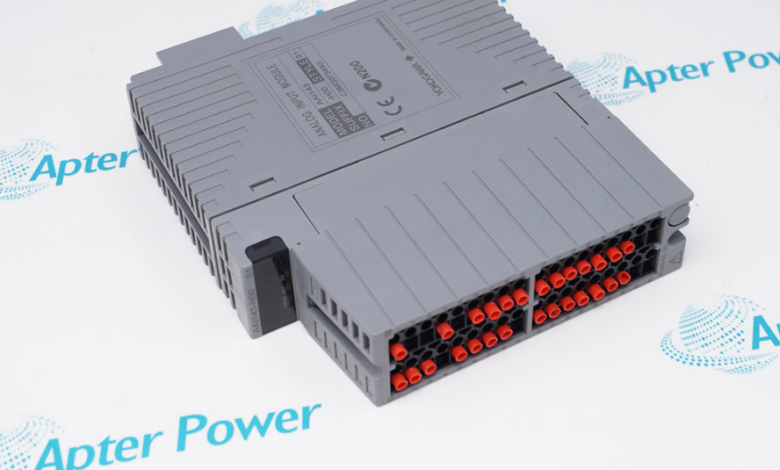
Yokogawa DCS systems operate through a layered architecture that separates control functions across multiple levels. At the foundation, field control stations (FCS) execute real-time process control, managing I/O modules that interface directly with sensors and actuators on the plant floor. These stations communicate upward through redundant control networks to human-machine interface (HMI) stations where operators monitor and adjust processes. Above this layer, engineering workstations handle system configuration, while data historians archive process variables for analysis and regulatory compliance.
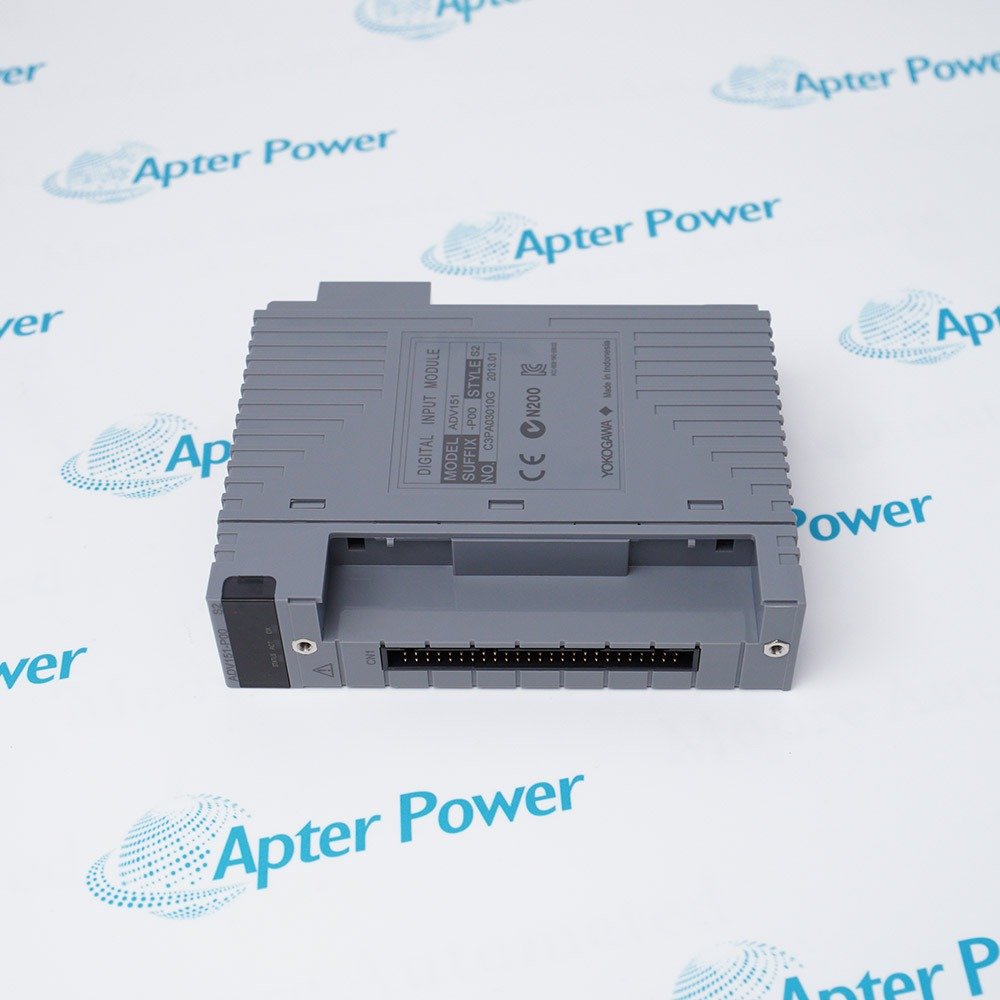
Communication between components relies on Yokogawa’s proprietary Vnet/IP protocol for control-level data exchange, ensuring deterministic response times critical for process safety. Standard Ethernet handles non-critical traffic like engineering access and reporting functions. Understanding this separation is essential—mixing traffic types on single networks creates bottlenecks that degrade control performance. Each component carries specific firmware versions that must remain compatible across the system; mismatched versions between controllers and HMI stations cause communication failures that operators mistake for hardware faults.
Comprehensive system documentation forms the foundation of effective maintenance. Accurate as-built drawings showing network topology, I/O assignments, and control module configurations enable technicians to trace problems quickly rather than spending hours reverse-engineering connections during outages. Maintaining updated documentation of all system modifications, including firmware revision histories and configuration backups, transforms troubleshooting from guesswork into systematic diagnosis. Without this reference material, even experienced engineers struggle to identify which spare parts match existing installations or understand how component failures propagate through the control hierarchy.
Efficient Part Number Search Strategies
Navigating Yokogawa’s Parts Database
Yokogawa maintains a comprehensive parts catalog accessible through their official support portal, where technical staff can search using equipment model numbers, system identifiers, or functional descriptions. The portal organizes components by product family—CENTUM VP, ProSafe-RS, STARDOM—with drill-down menus that narrow results by controller type, I/O module function, or communication interface. For systems installed before digital cataloging became standard, serial numbers stamped on equipment housings serve as definitive identifiers. Entering these alphanumeric codes directly retrieves exact part specifications, including superseded replacements for discontinued items.
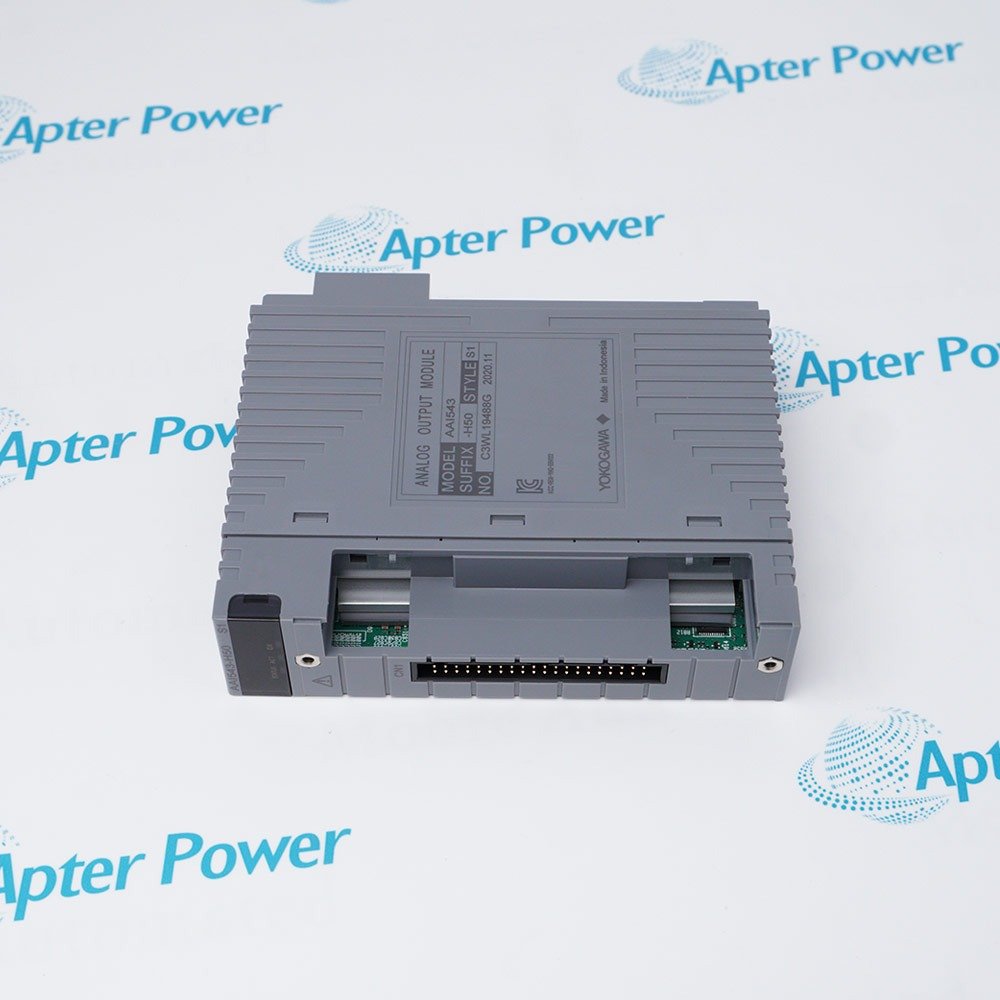
System documentation provides the fastest path to accurate identification when multiple similar components exist within a single installation. Configuration printouts from engineering workstations list every installed module with corresponding part numbers, eliminating guesswork about which variant of a temperature input card matches the existing installation. For legacy systems lacking digital records, photographing equipment nameplates with visible part codes and revision numbers creates a visual reference that prevents ordering incompatible versions. Regional Yokogawa offices maintain technical libraries with archived product bulletins that cross-reference old part numbers to current equivalents, particularly valuable when supporting systems approaching end-of-life status.
Best Practices for Accurate Part Identification
Cross-referencing part numbers through multiple sources catches errors before procurement. Verify that the part number from equipment nameplates matches entries in system configuration files, then confirm against Yokogawa’s official catalog that the component remains current or identify the recommended replacement. This three-point verification prevents ordering obsolete parts that appear available through unofficial channels but lack compatibility with updated firmware versions running on existing controllers.
Common identification mistakes include confusing regional variants that share similar part numbers but differ in voltage ratings or certification standards. A module designated for North American installations carries different suffix codes than physically identical European variants, despite interchangeable mounting and connections. Another frequent error involves ordering base modules without required terminal blocks or communication adapters that legacy systems included as integrated assemblies. Always verify complete assembly requirements rather than assuming individual components arrive installation-ready, and maintain photographic records of existing configurations showing cable connections and DIP switch settings that aren’t documented in standard manuals.
Spare Parts Service and Procurement
Authorized Yokogawa distributors provide genuine parts with verified compatibility and warranty coverage, critical for maintaining system certifications required in regulated industries like pharmaceuticals and oil refining. These suppliers access current inventory databases and can confirm whether components match specific system revisions before shipment. Third-party vendors often stock discontinued modules at lower prices, but technical staff must verify firmware compatibility independently since these parts lack manufacturer validation. For non-critical spares like indicator lights or standard terminal blocks, third-party sources offer cost savings without risking control integrity, while safety-rated components like emergency shutdown modules demand OEM certification to maintain insurance and regulatory compliance.
Managing procurement lead times requires distinguishing between stock items shipping within days and build-to-order components requiring weeks for manufacture. Maintain relationships with multiple authorized distributors across regions—when one reports extended backorders, others may hold inventory or access different warehouse networks. Specialized suppliers like Apter Power, who focus on automation and industrial spare parts, can sometimes provide alternative sourcing channels for hard-to-find components when traditional distribution networks experience shortages. For critical spares with long lead times, establish consignment agreements where suppliers pre-position inventory at your facility with payment triggered only when parts are consumed, reducing capital tied up in rarely-used components while ensuring immediate availability.
Optimize spare parts inventory by analyzing failure history data from maintenance logs to identify components with shortest mean time between failures. Stock two units of any module whose failure halts production and requires more than four hours to procure through emergency channels. For redundant systems where single failures don’t stop operations, single spares suffice. Avoid overstocking obsolete parts for aging systems nearing replacement—instead, negotiate extended support contracts with Yokogawa that guarantee parts availability through planned migration timelines, transferring inventory risk to the manufacturer while ensuring continuity.
Control System Maintenance Best Practices
Preventive Maintenance Procedures
Establish quarterly inspection schedules that cover critical system components without disrupting operations. During planned maintenance windows, inspect power supply voltage levels at field control stations—readings outside ±5% tolerance indicate failing supplies that cause intermittent controller resets. Clean dust accumulation from ventilation filters and cabinet fans using compressed air; blocked airflow raises internal temperatures that accelerate electronic component degradation. Verify redundant controller synchronization by checking status LEDs and reviewing diagnostic logs for switchover events that suggest primary units experiencing faults.
Firmware updates require systematic planning to avoid introducing incompatibilities. Test new firmware versions on non-critical controllers first, monitoring for communication disruptions or unexpected behavior over 48-hour observation periods. Document current firmware across all system components before updates, creating rollback points if issues emerge. Schedule updates during scheduled shutdowns rather than attempting online changes that risk losing process control. Maintain offline copies of all firmware versions used in your installation, as Yokogawa periodically removes older releases from download portals, leaving no recovery path if updates fail.
Troubleshooting Common Issues
Yokogawa’s diagnostic tools built into engineering workstations provide real-time visibility into system health. The System View application displays communication status across all network nodes, with red indicators highlighting failed connections. When controllers show offline status, verify physical network connections first—loose fiber optic cables or damaged Ethernet ports cause 60% of reported communication failures. Use the built-in loop test function to inject simulated signals at I/O modules, isolating whether problems originate in field wiring or within control logic.
Error codes displayed on HMI screens follow standardized formats where the first two digits identify the subsystem—10-series codes indicate controller hardware faults, 20-series point to I/O communication issues, and 30-series signal configuration errors. When code 1041 appears indicating controller memory errors, immediate replacement is necessary as this signals impending hardware failure. Code 2103 showing I/O module timeout typically resolves by reseating the module in its slot, clearing oxidation on connector pins. Maintain a reference guide mapping common error codes to specific corrective actions, reducing diagnostic time from hours to minutes during production disruptions.
Strategic System Management for Long-Term Success
Effective Yokogawa DCS maintenance hinges on understanding system architecture, implementing accurate part identification procedures, and establishing proactive maintenance protocols. Technical staff who master these fundamentals reduce unplanned downtime by catching potential failures before they disrupt production, while strategic spare parts management ensures critical components remain available without excessive capital investment in rarely-used inventory.
Proactive system management delivers measurable returns beyond avoiding emergency repairs. Regular preventive maintenance extends equipment lifespan, maintains regulatory compliance, and builds institutional knowledge that survives personnel changes. Documentation practices that seem tedious during stable operations become invaluable during crisis troubleshooting, transforming chaotic emergency responses into systematic problem resolution.
Prioritize building relationships with authorized Yokogawa distributors and regional technical support teams before emergencies arise. Establish firmware update schedules aligned with production cycles, maintain current system documentation accessible to all maintenance personnel, and conduct quarterly reviews of spare parts inventory against failure trend data. These foundational practices transform maintenance from reactive firefighting into strategic asset management that supports long-term operational excellence.